Moka pot coffee makers have been one of the few constants in my life. The rich and nearly espresso-level strength of the deep amber coffee the machines make is unlike any other preparation. I remember being awoken by the loud steam sound of my mother’s specialty Bialetti cappuccino maker, where the pressure produced not only percolated the coffee, but also heated and steamed milk in a special upper chamber. The sound was frightening yes, but the genius of it has stayed with me.
The Bialetti machines I’ve known and loved are just one chapter in the design world’s love affair with espresso, a story which is being told by curator Elisabetta Pisu. Her new exhibition, Passione Italiana: l’Arte dell’espresso, is currently on view at the Santos Coffee Museum in Santos, Brazil. Curation follows two “nuclei:” First, a “historical exhibition itinerary” that connects the work and collaborations between coffee growers, roasters, and creatives; and the second nuclei being “thematic insights,” a section that focuses more on the social and culture meanings behind coffee rituals.
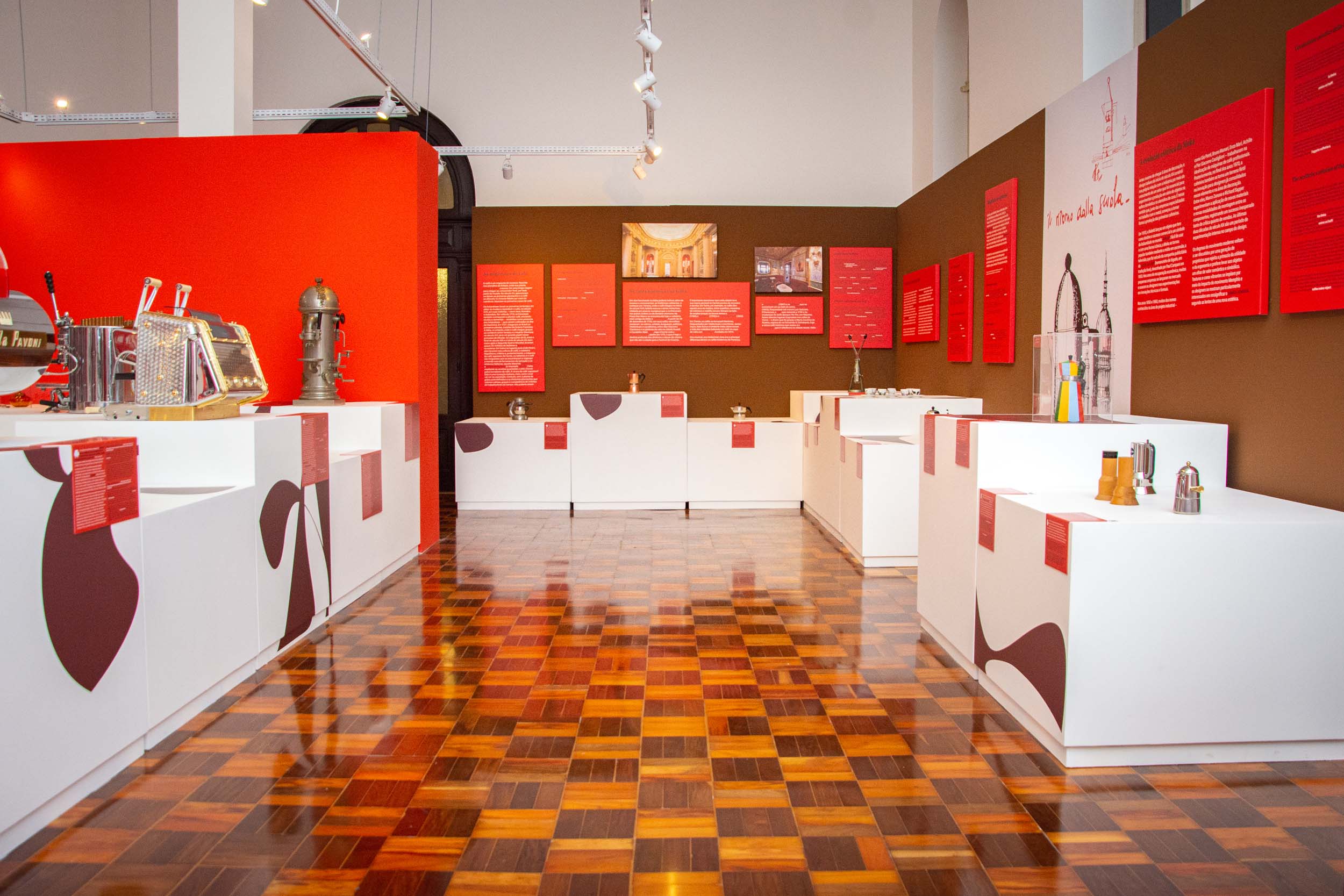
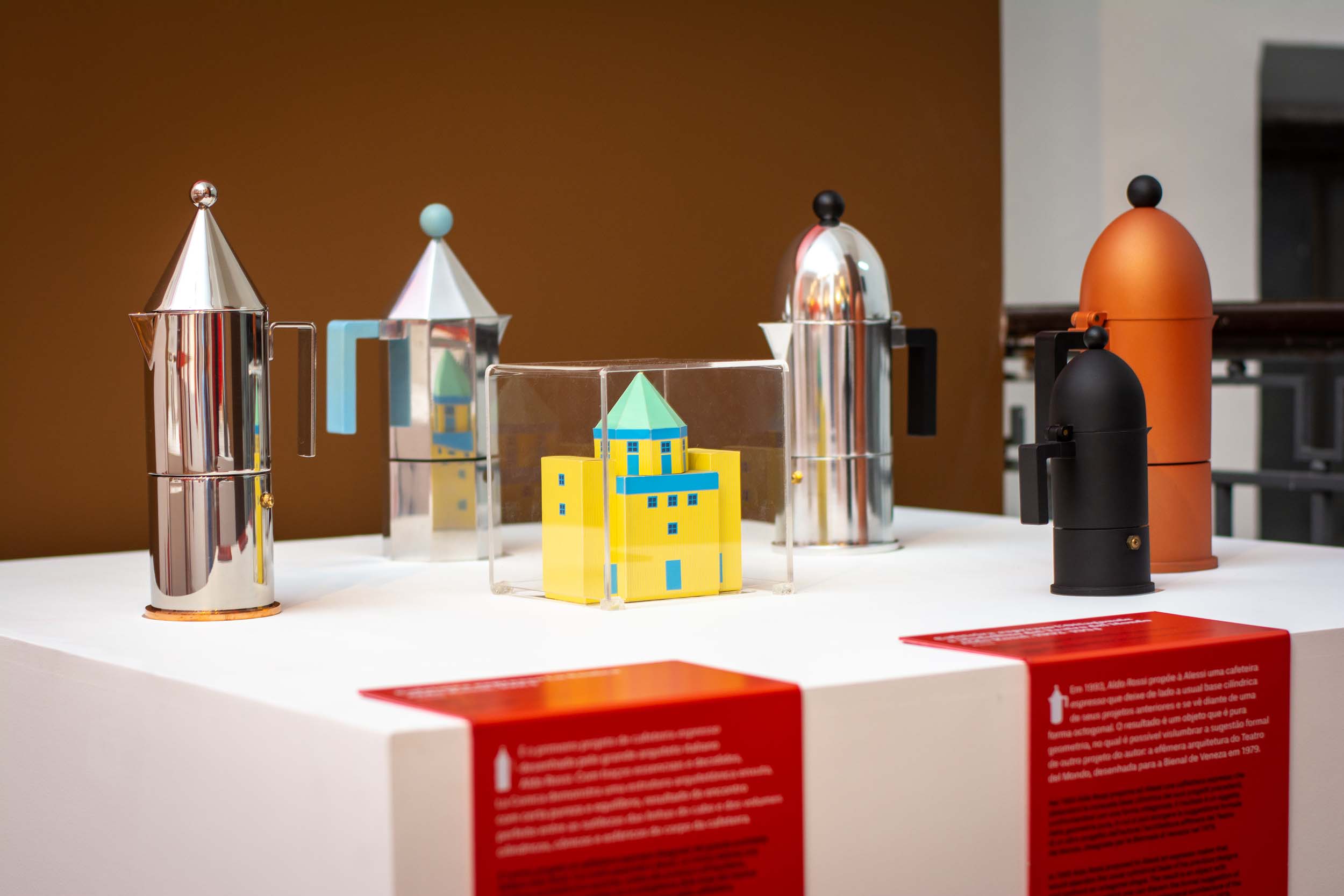
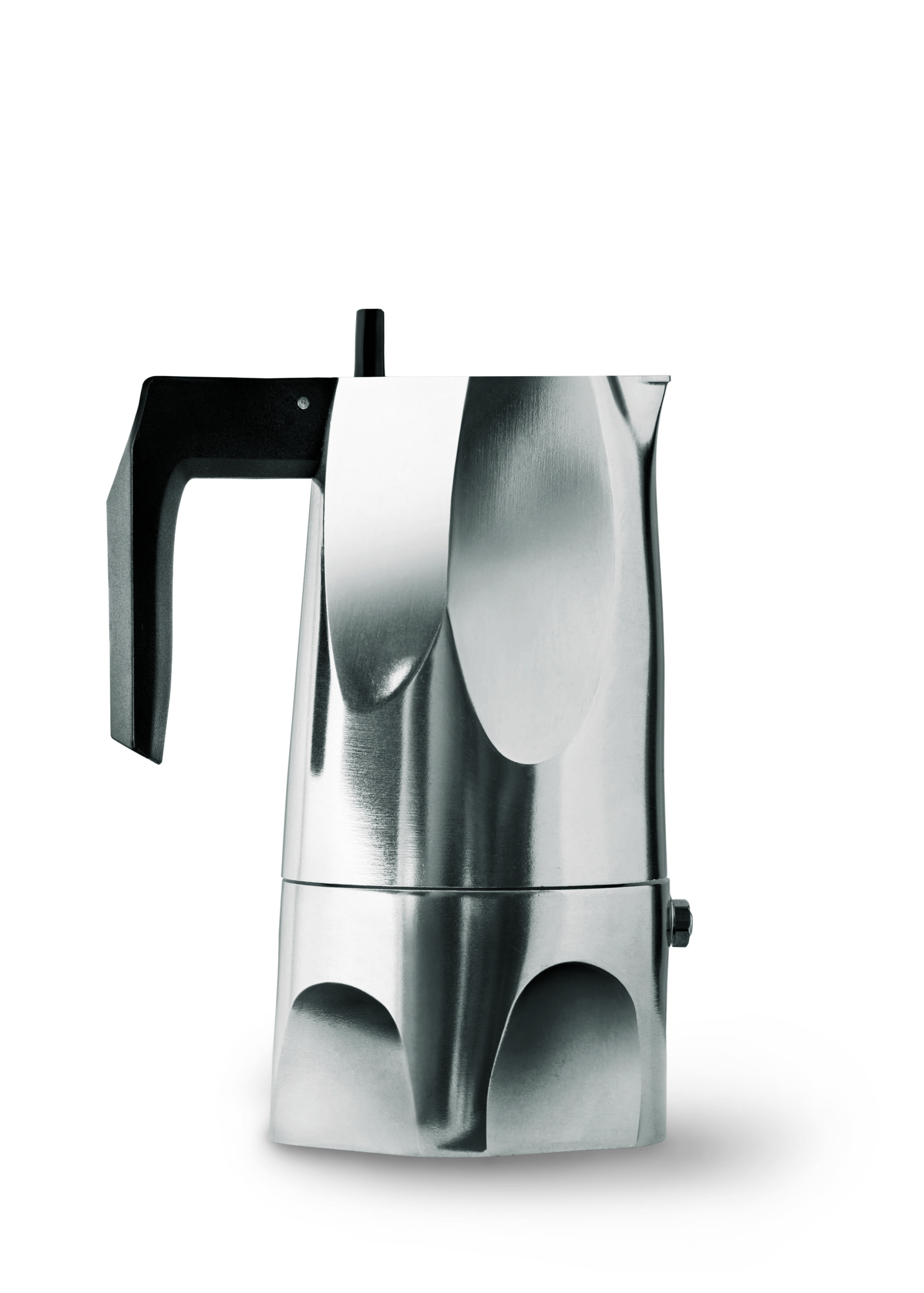
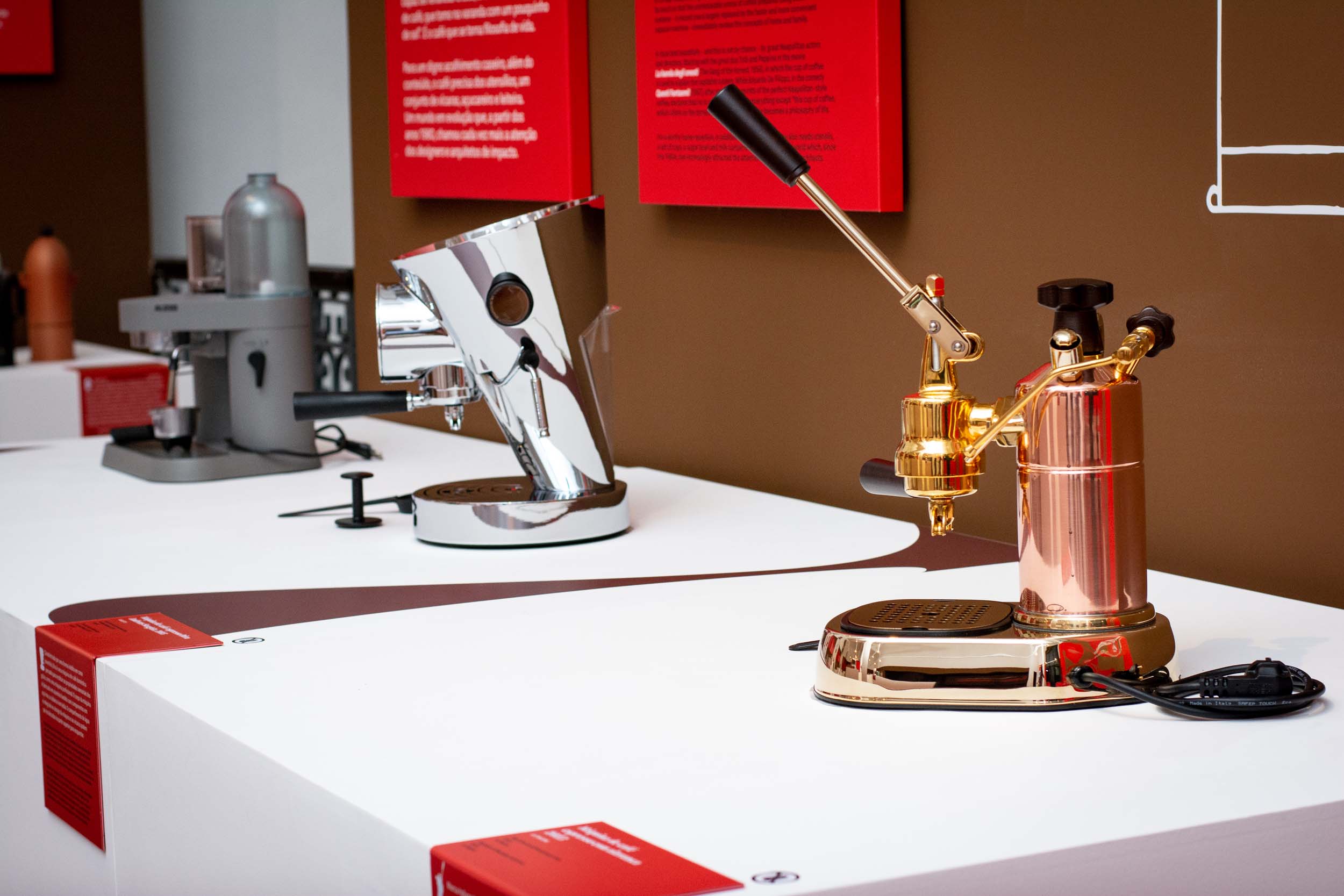
Passione Italiana puts over 60 pieces of vintage coffee design on display, focusing on especially rare or unique pieces. Some of architecture and design’s biggest names are attached to these machines, as the coffee pot has garnered a following almost akin to the chair in design circles. What’s a workaday object that everyone uses, but that can elevate an entire space or communicate taste with just a glance? The pot on your stove. Alessi has a strong presence, the maker of Richard Sapper’s 9090 and Chipperfield’s Moka. Michele de Lucci’s Pulcina is also on display—a personal favorite that sits on my very own stovetop. I have the red-handled version.
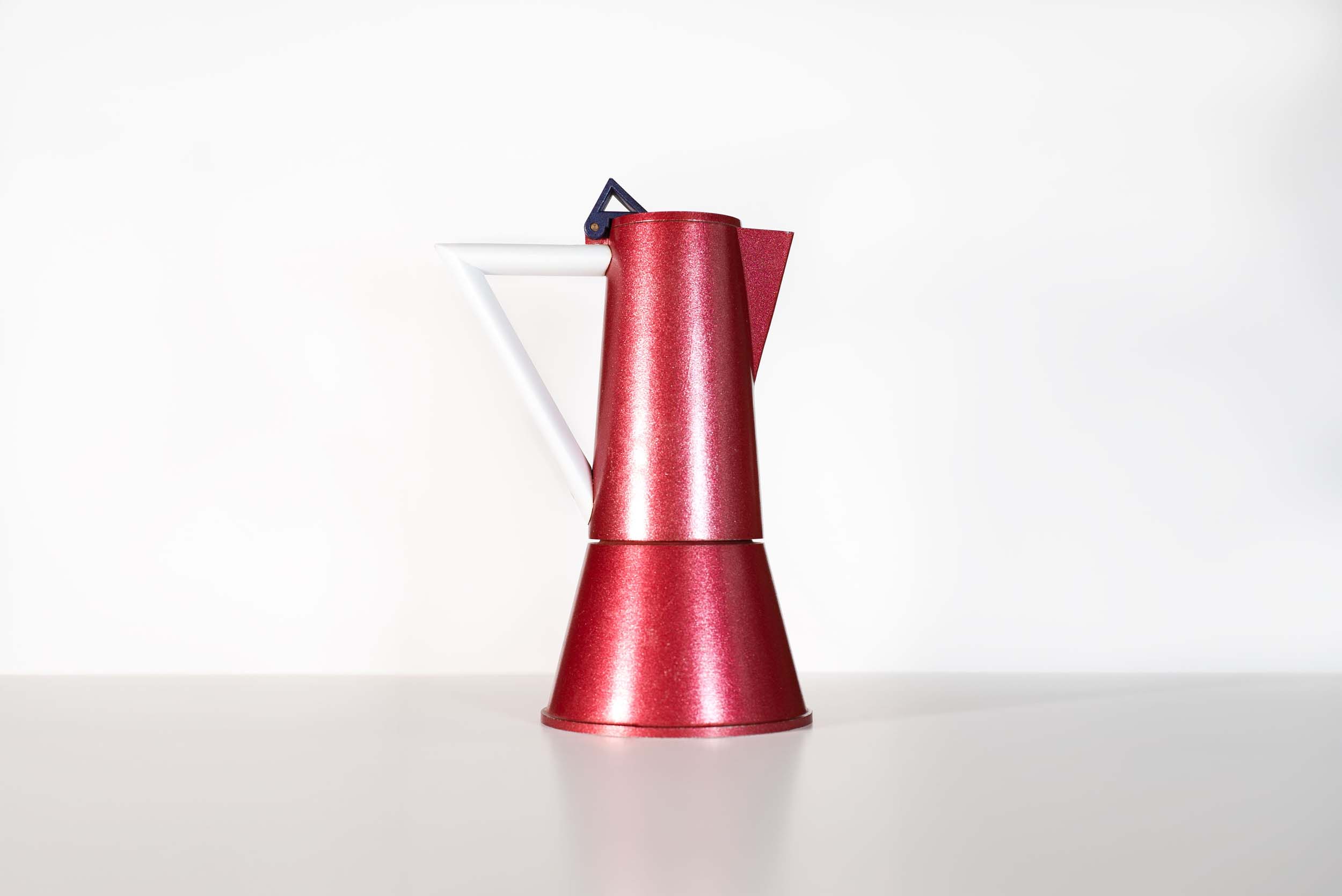
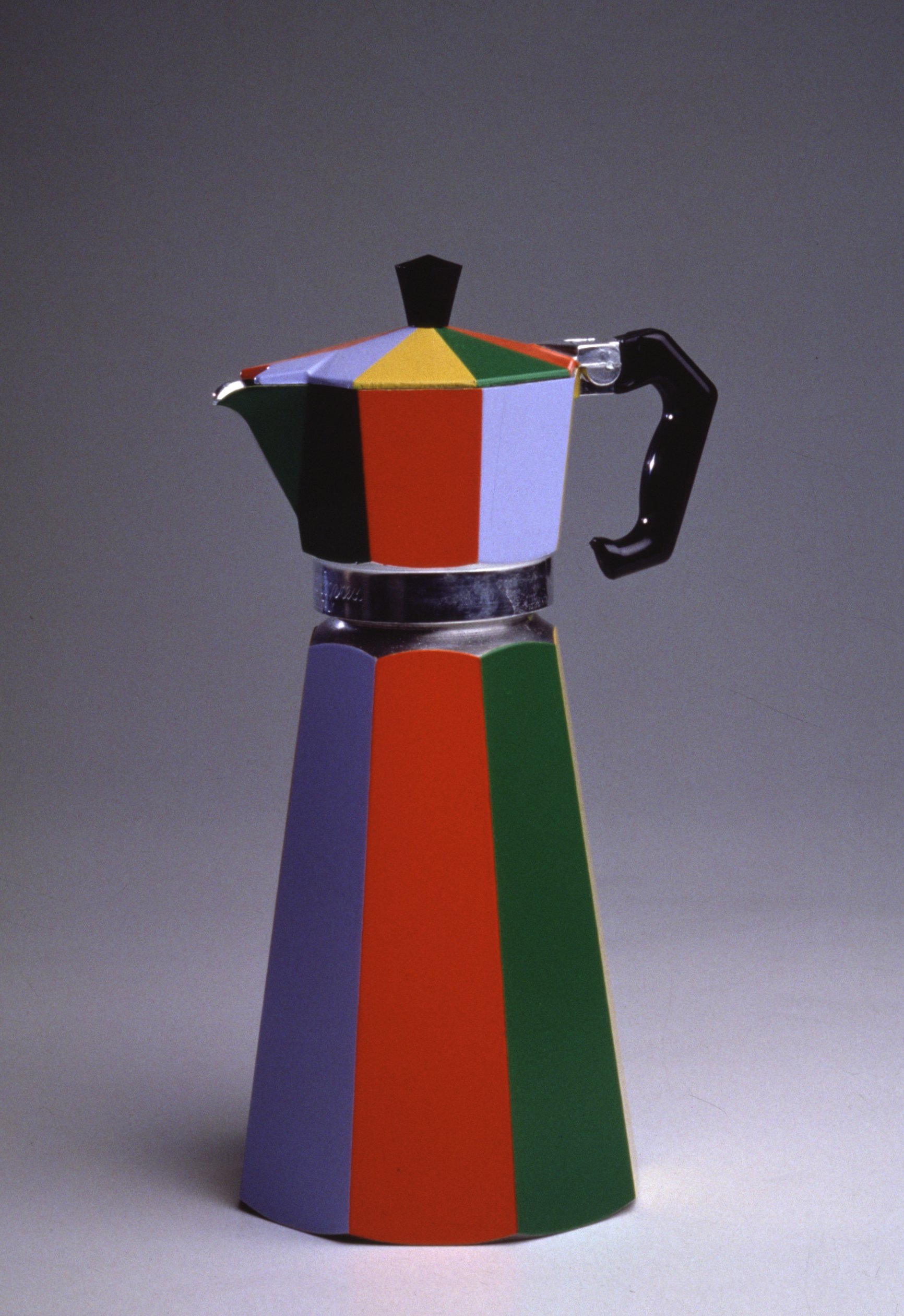
Other notable designs come from the iconic Bialetti company itself. It goes without saying that the candy-colored Ogetto Banale form, which riffs on the Bialetti faceted classic but with a comically scaled base, is a standout. Not far off from Bialetti fame is the Nova Express, a familiar and humble format but made with brilliant hammered copper. More contemporary designs like Jellies Family by Patricia Urquiola are also included, manufactured by Kartell, as is the Lunika 360 espresso coffee maker, a Japanese-inspired design by Francesco Fusillo. And of course Bugatti’s conical Diva is on display, a truly rarefied form fitting of the sports car name.
“The selection of objects on display speaks of Italian creativity and the drive for innovation, which have always characterized Made in Italy design,” explained Pisu. “But it also tells us much more: It tells us about Italians in Brazil, about how our culture has been the bearer of new habits and has inaugurated a social ritual overseas, a symbol of our country. Together with this, the exhibition highlights the strong bond between Italy and Brazil, a mutual relationship that has fully engaged the business world as much as love for espresso coffee.”
The exhibition coincides with a historic moment in Brazilian history: the arrival of Italian immigrants 150 years ago in 1874 aboard La Sofia. As more Italians arrived, many working on coffee plantations, Italian culture flourished—which of course meant coffee culture, too. Systems of exchange have grown and expanded over the years, but Italy remains in the top three importers of Brazilian coffee, a testament to the shared history as well as quality of the product. Additionally, data from the Italian Embassy in Brazil shows that “32.5 percent of the population of São Paulo descends from this nationality, for a total of 13 million people. Brazil constitutes one of the world’s largest communities of people of Italian descent.” For this reason, Passione Italiana will next travel to the São Paulo State Immigration Museum from February 21 to May 26, 2025.
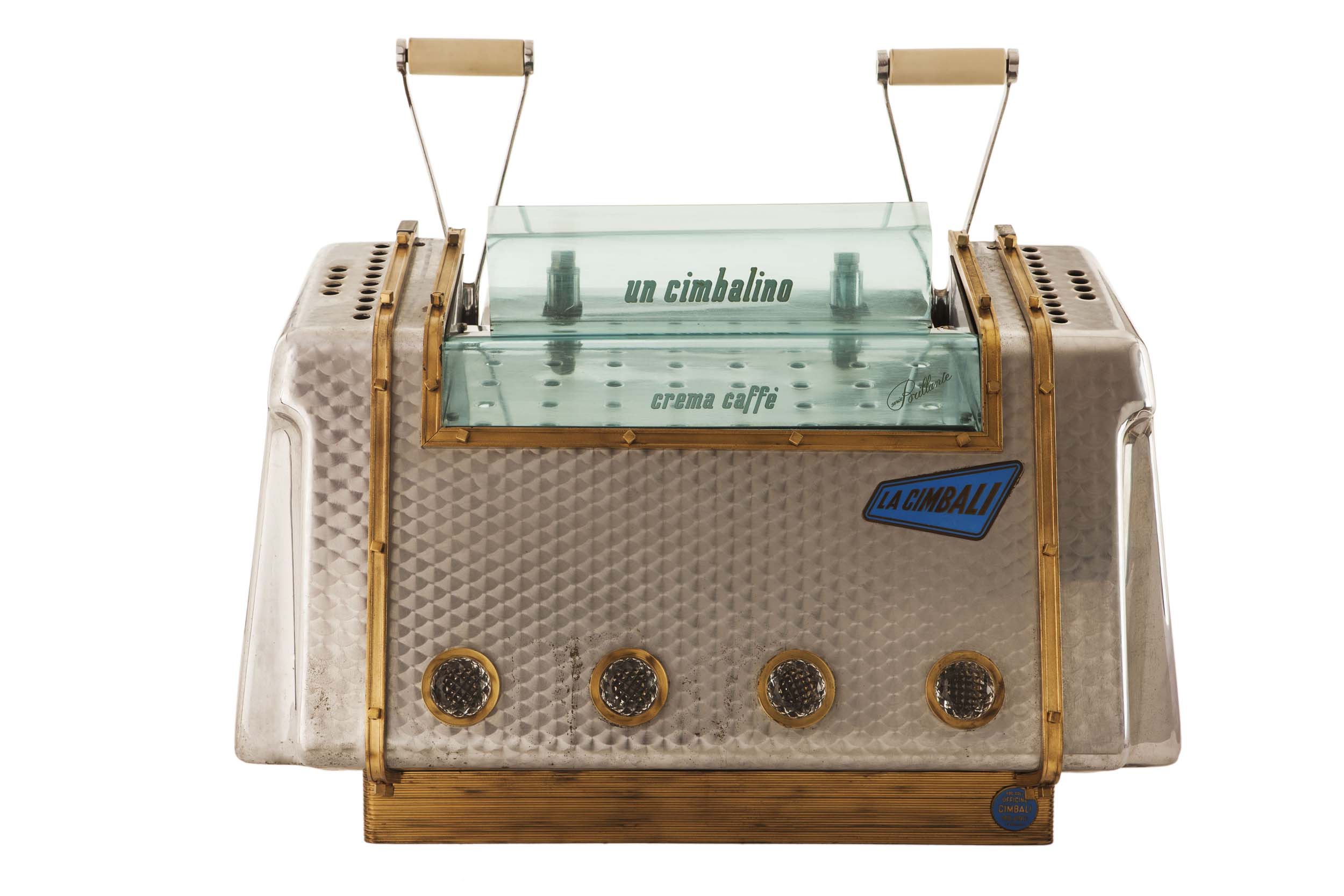
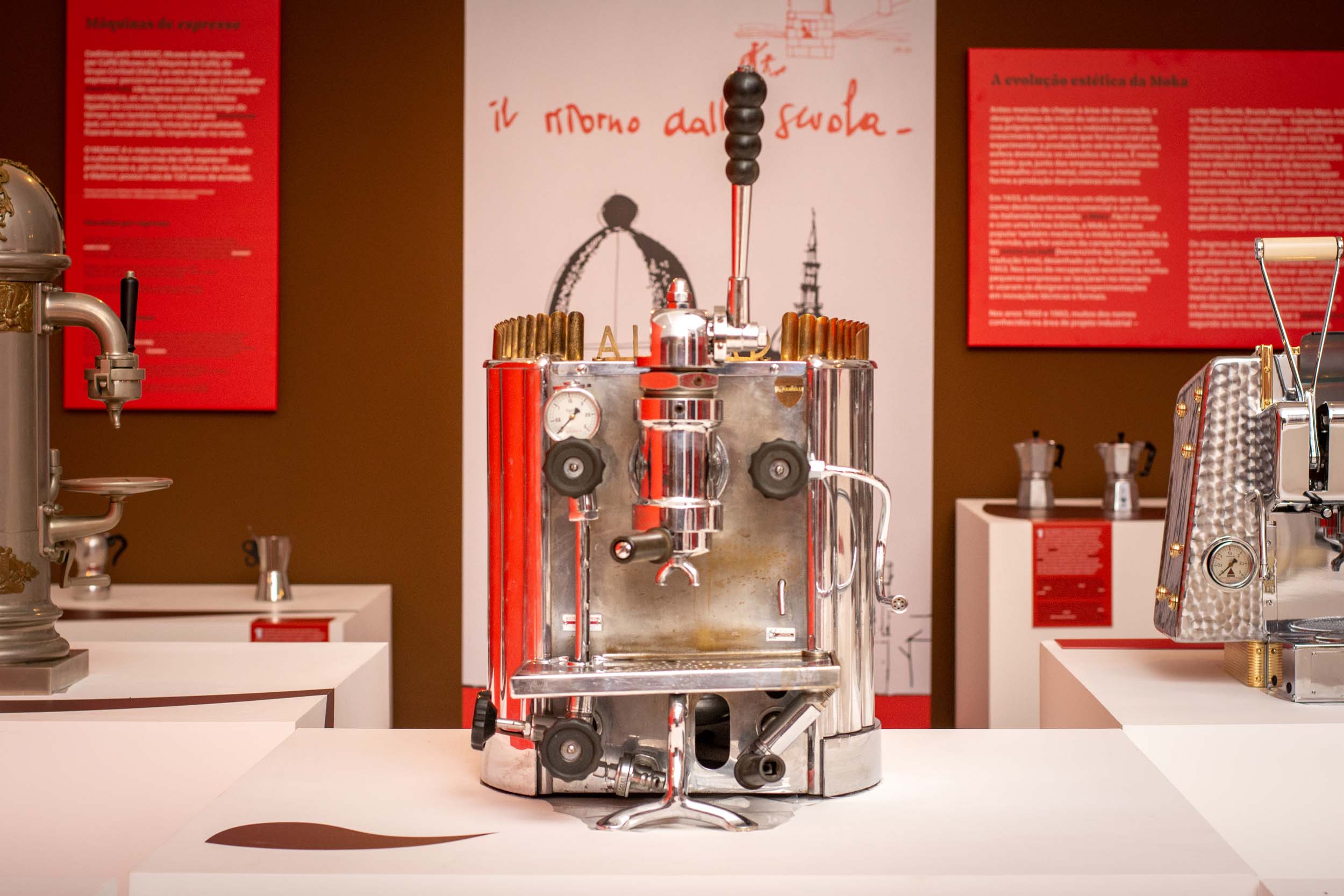
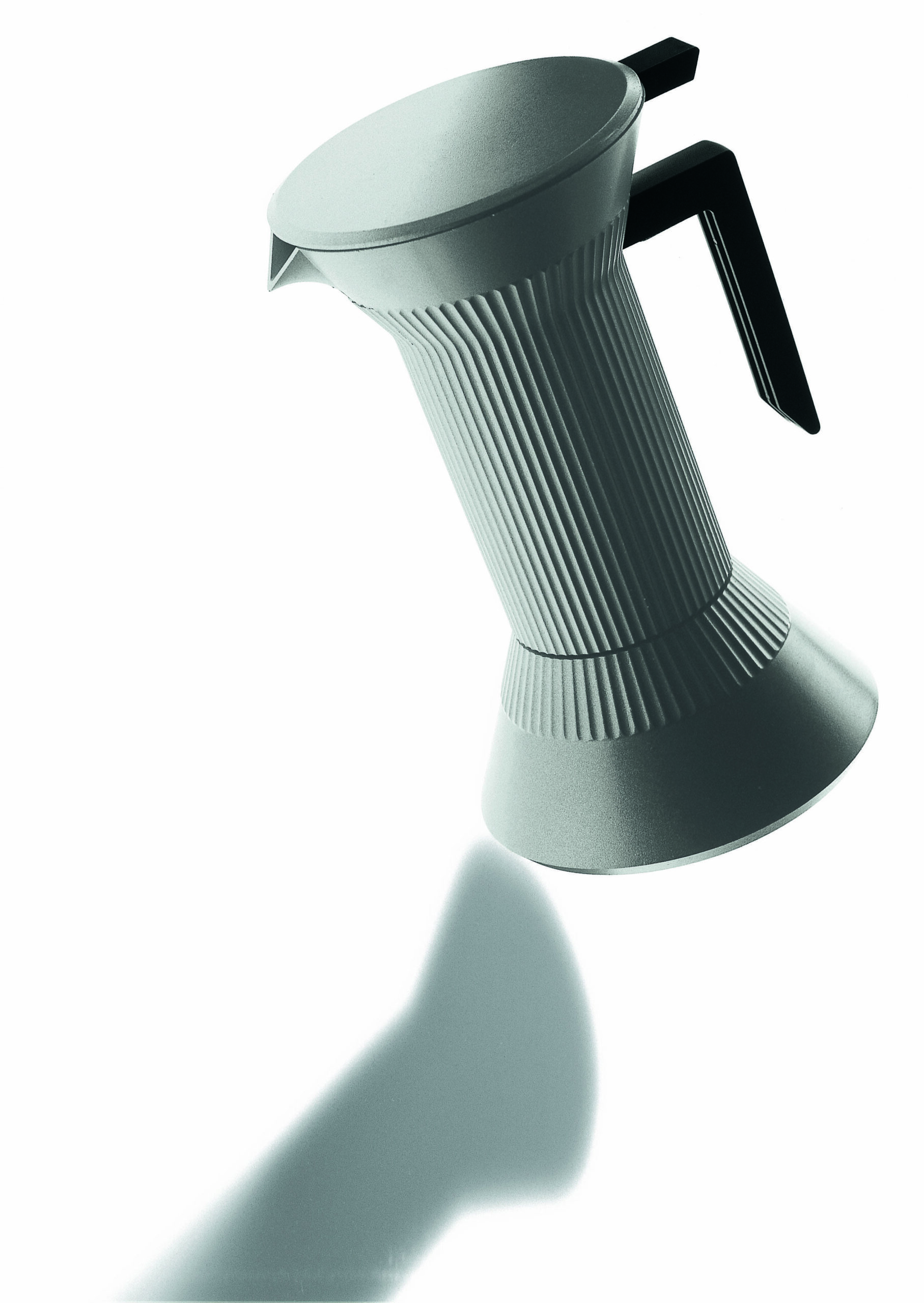

Coffee is the most consumed drink in the world today, and an international obsession with research into optimization and quality has taken us from the humble percolator all the way to Bugatti-designed machines that command the countertops of elite cafes. From experiments in crema to more and more bars of pressure, design is what makes all this delicious coffee possible.
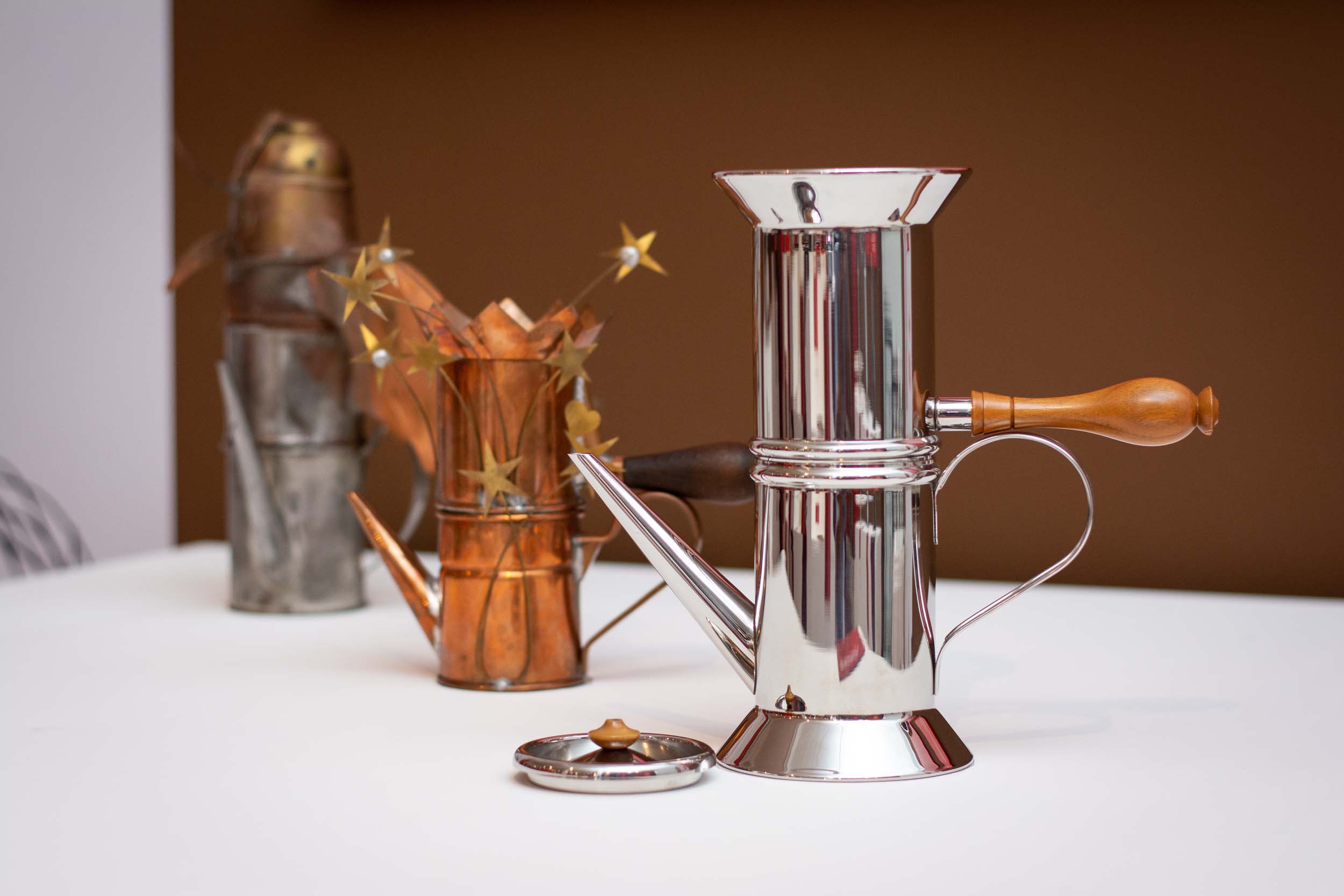
As notable as the design breakthroughs we celebrate through exhibitions, so are the failures. Another personal anecdote I’ll share is about an IKEA brand Moka pot I was once gifted by a friend. Its shape borrows from Sapper’s 9090 but with slightly less stable proportions and one unmissable defect: While Sapper’s pot is usable due to a thick heat-resistant handle detached from the metallic body, my IKEA handle was…just an extension of the metal. The handle got so hot it could burn through even the thickest tea towels I deployed. It was such a shame, as the coffee it produced was actually some of the best I’ve ever had. But with such a design flaw, the entire product became moot. Such is the power of design.
Passione italiana: l’arte dell’espresso is on view at Santos Coffee Museum until February 4, 2025.