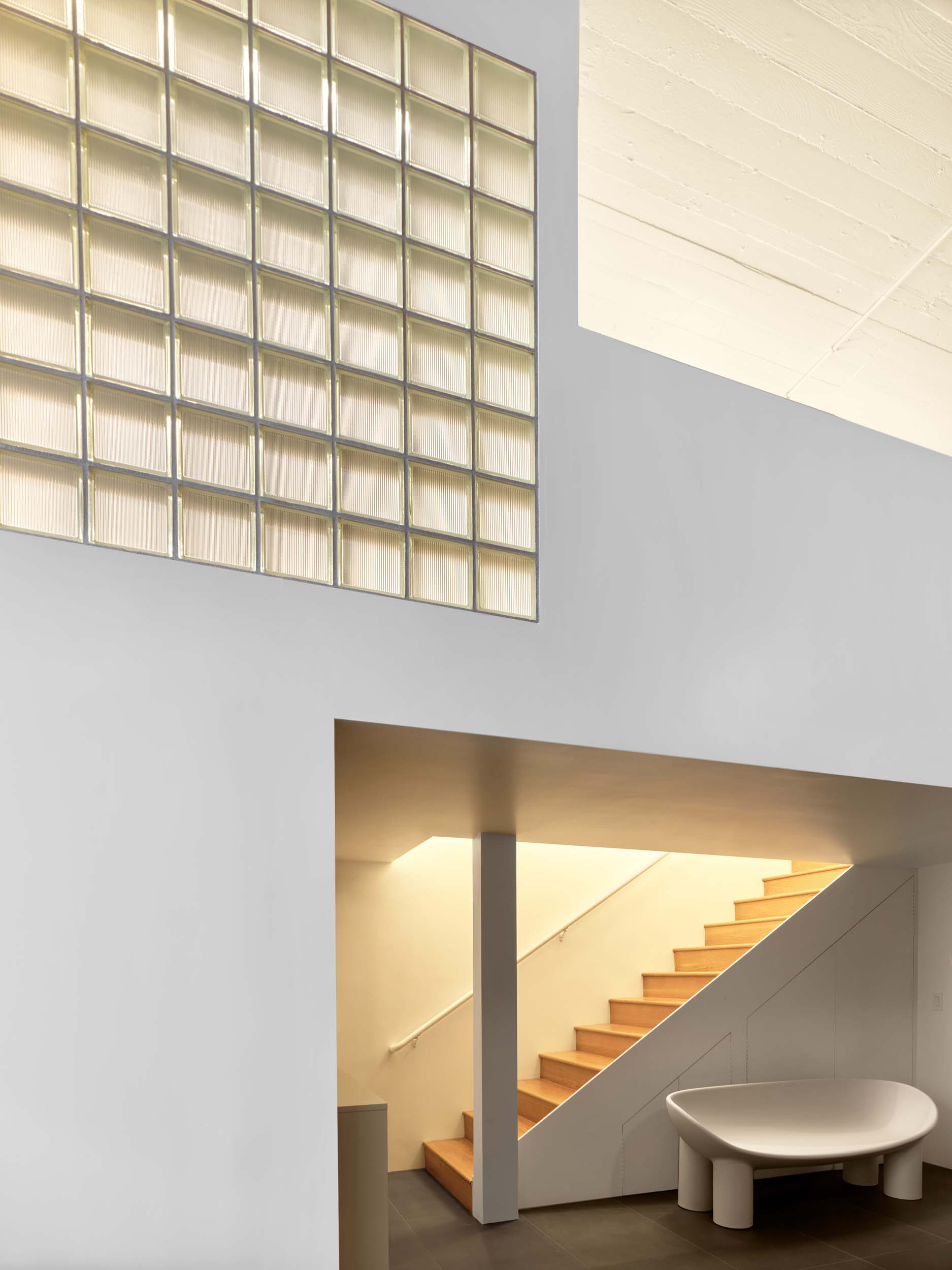
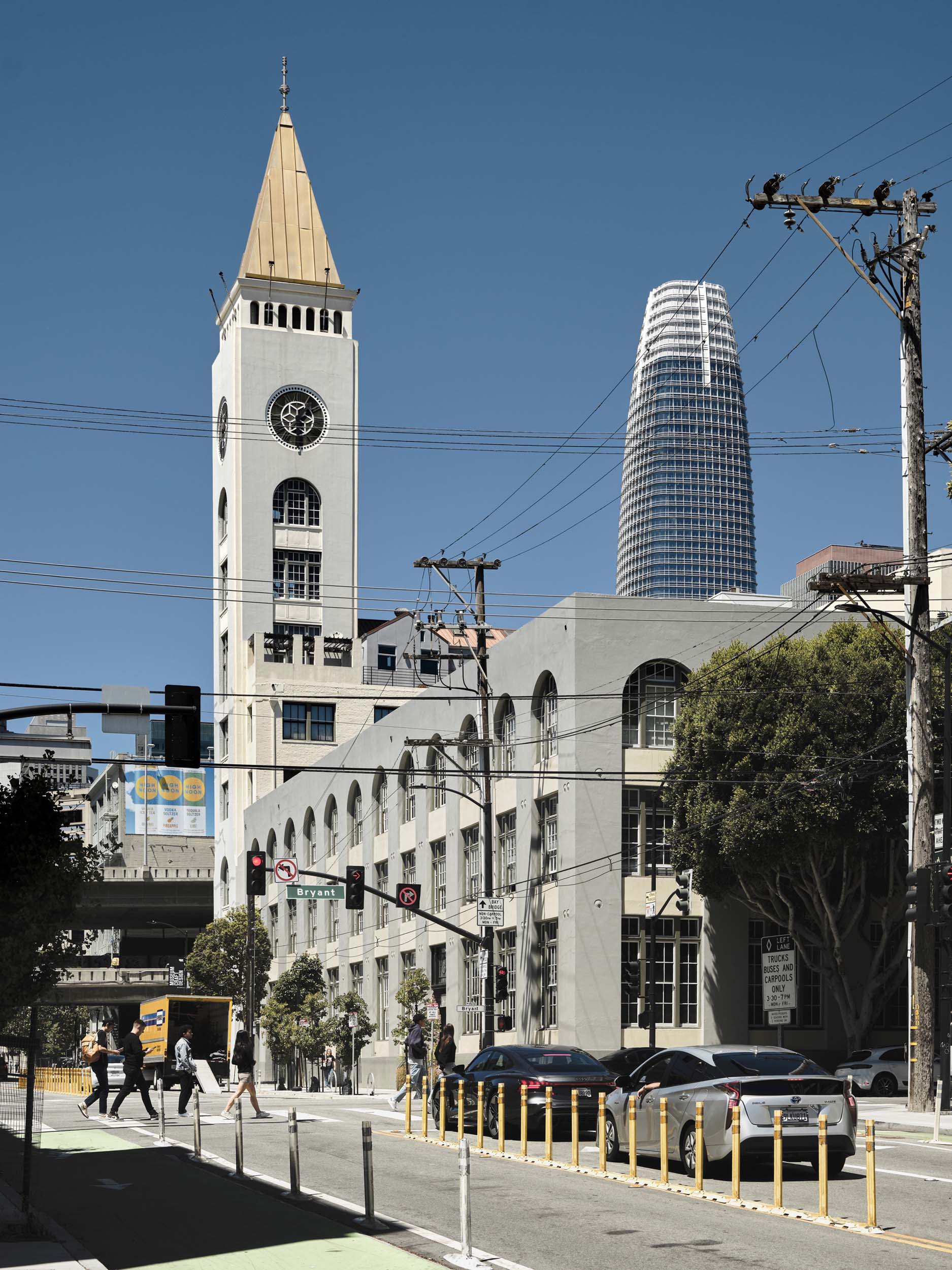
In San Francisco’s iconic Clocktower Building in South Beach, Hesselbrand has inserted a unique loft residence into the landmarked architecture. In the 1990s the structure was converted to live-work lofts by David Baker, but after 30 years the London-based Hesselbrand was invited to put a European spin on one elevated and spacious residence.
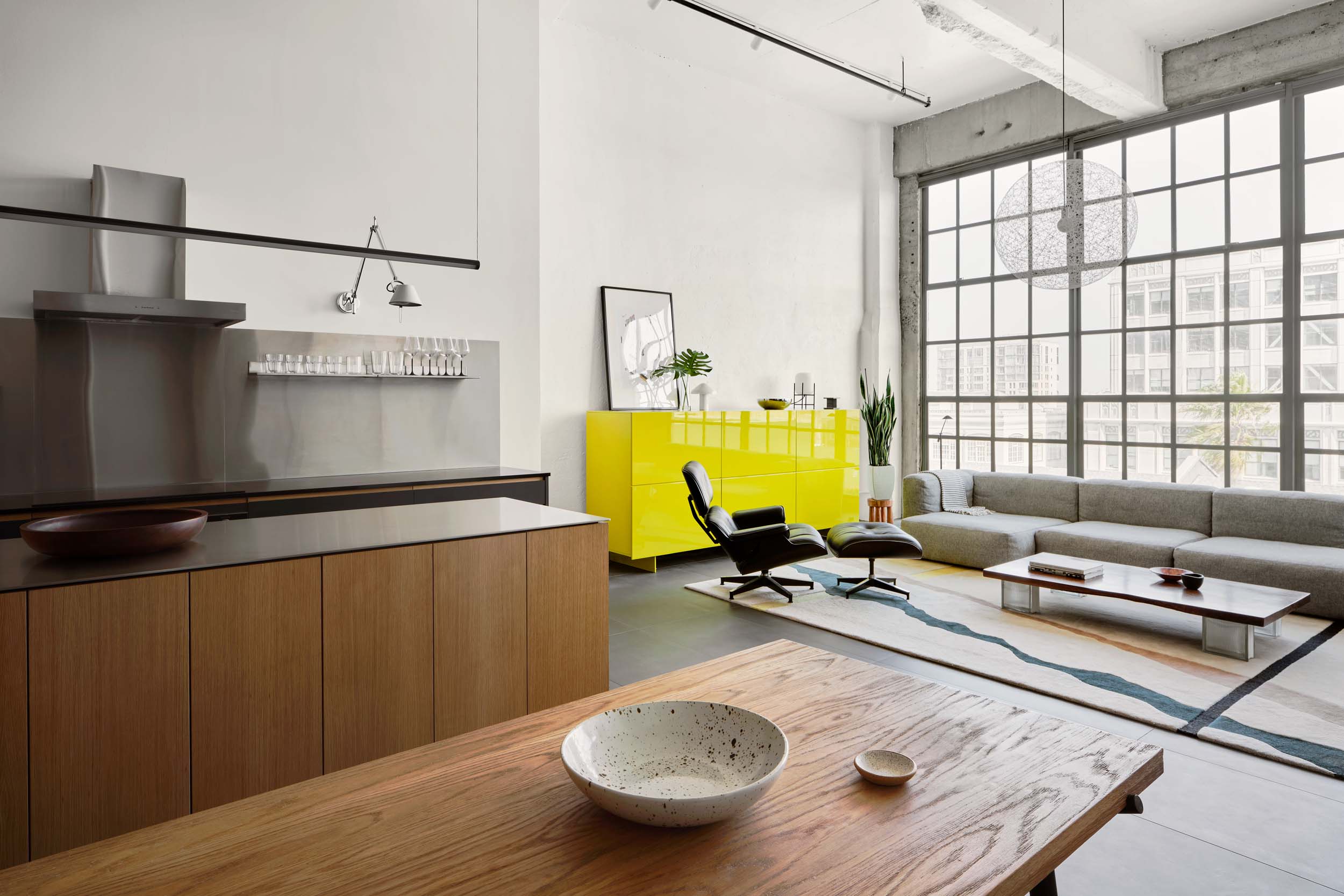
Hesselbrand first focused on the problem of natural light. Approaching the project as a work of adaptive reuse, designers recirculated access to and within the apartment by placing living and working spaces around the glazed perimeter. Previously, the industrial use of the building placed circulation on the outside, cutting off interior rooms from the sun.
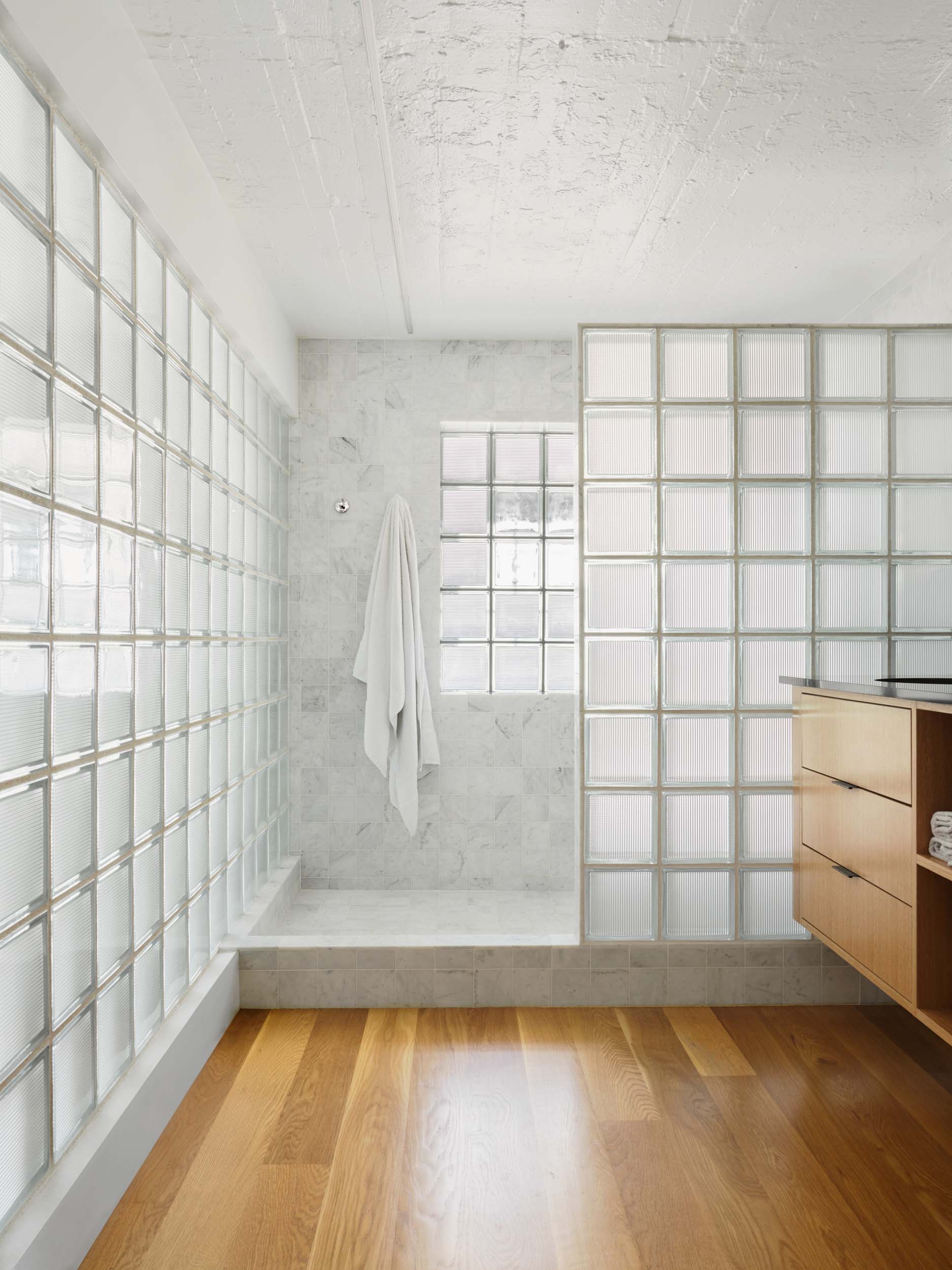
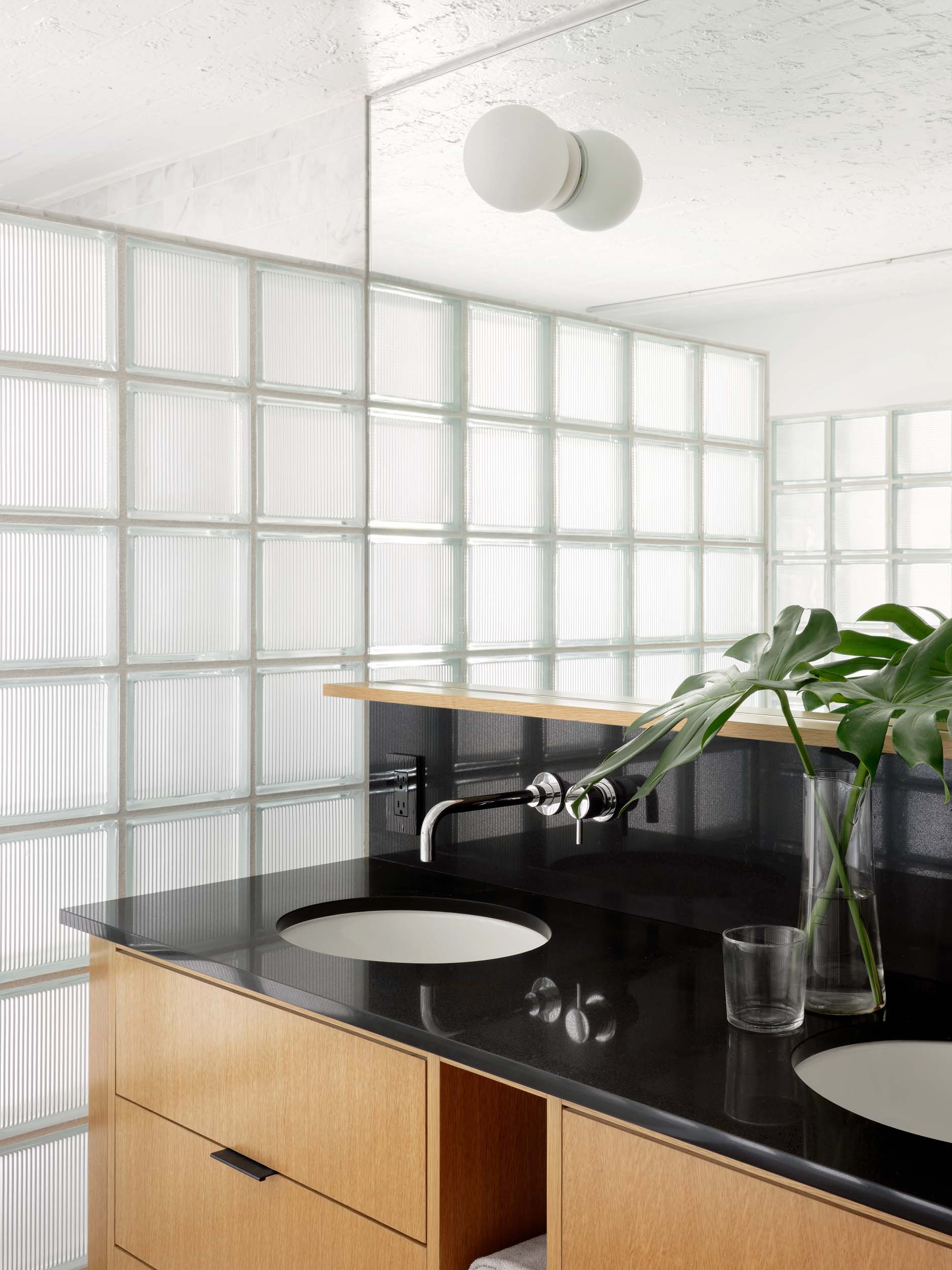
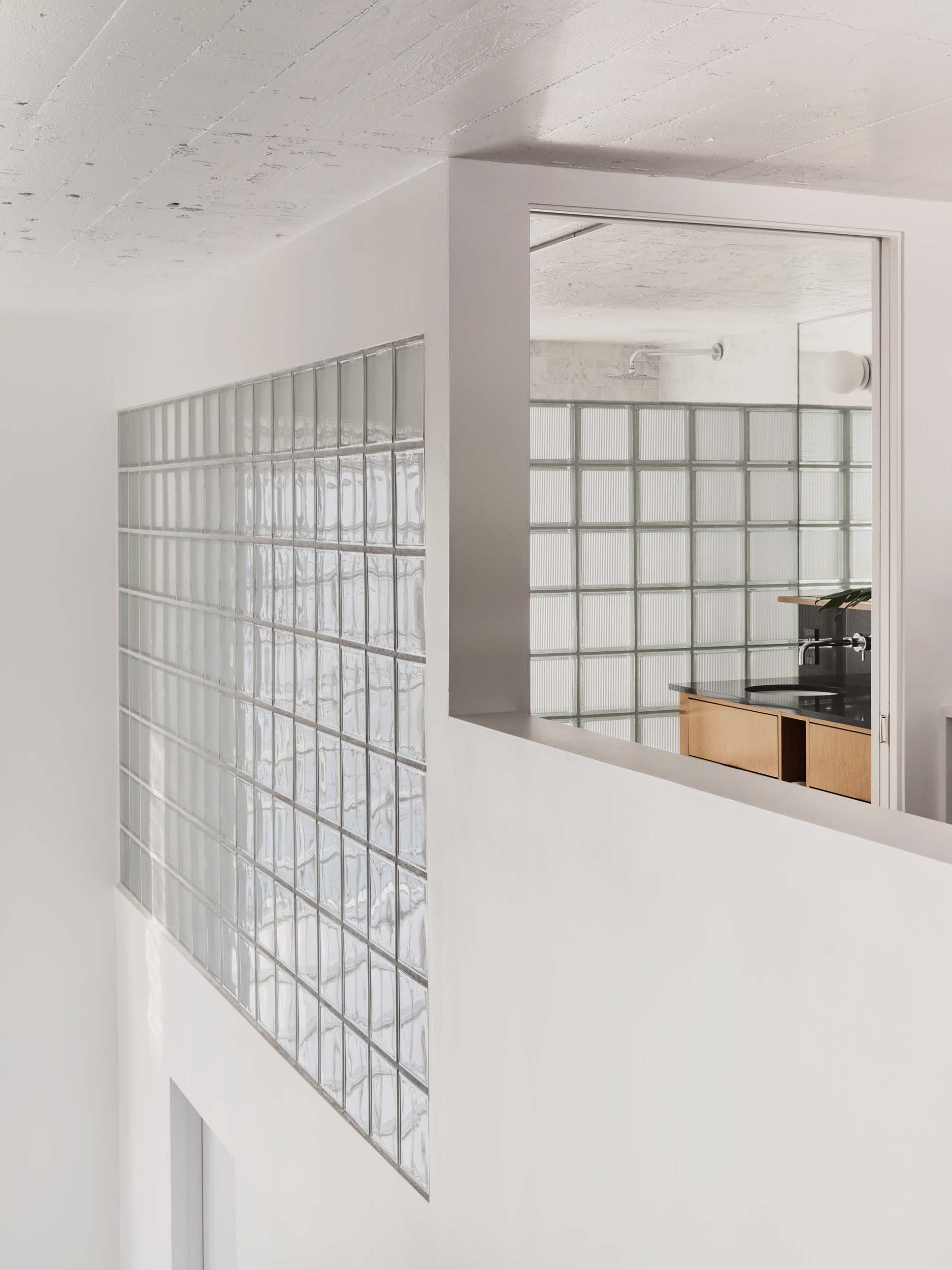
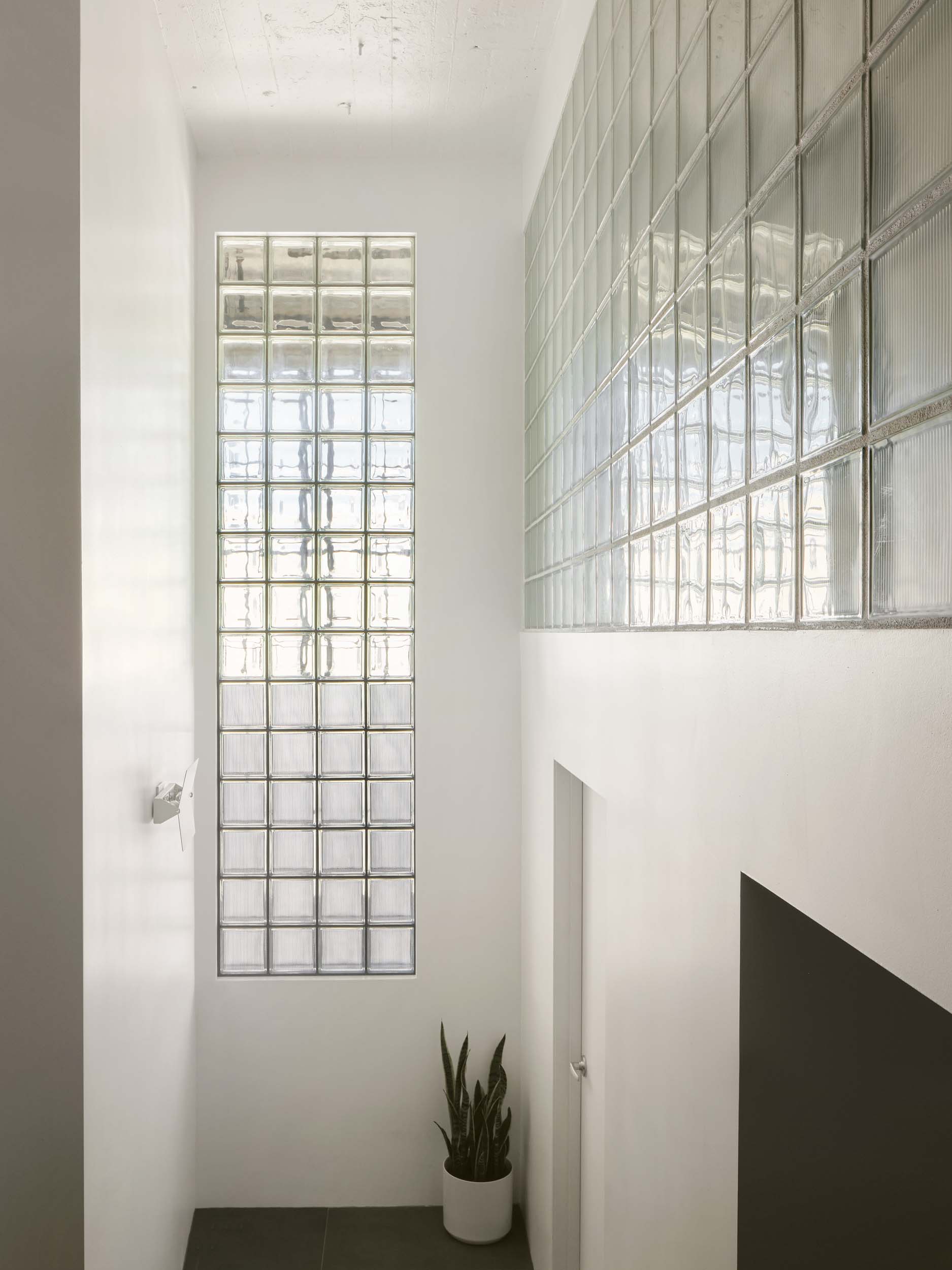
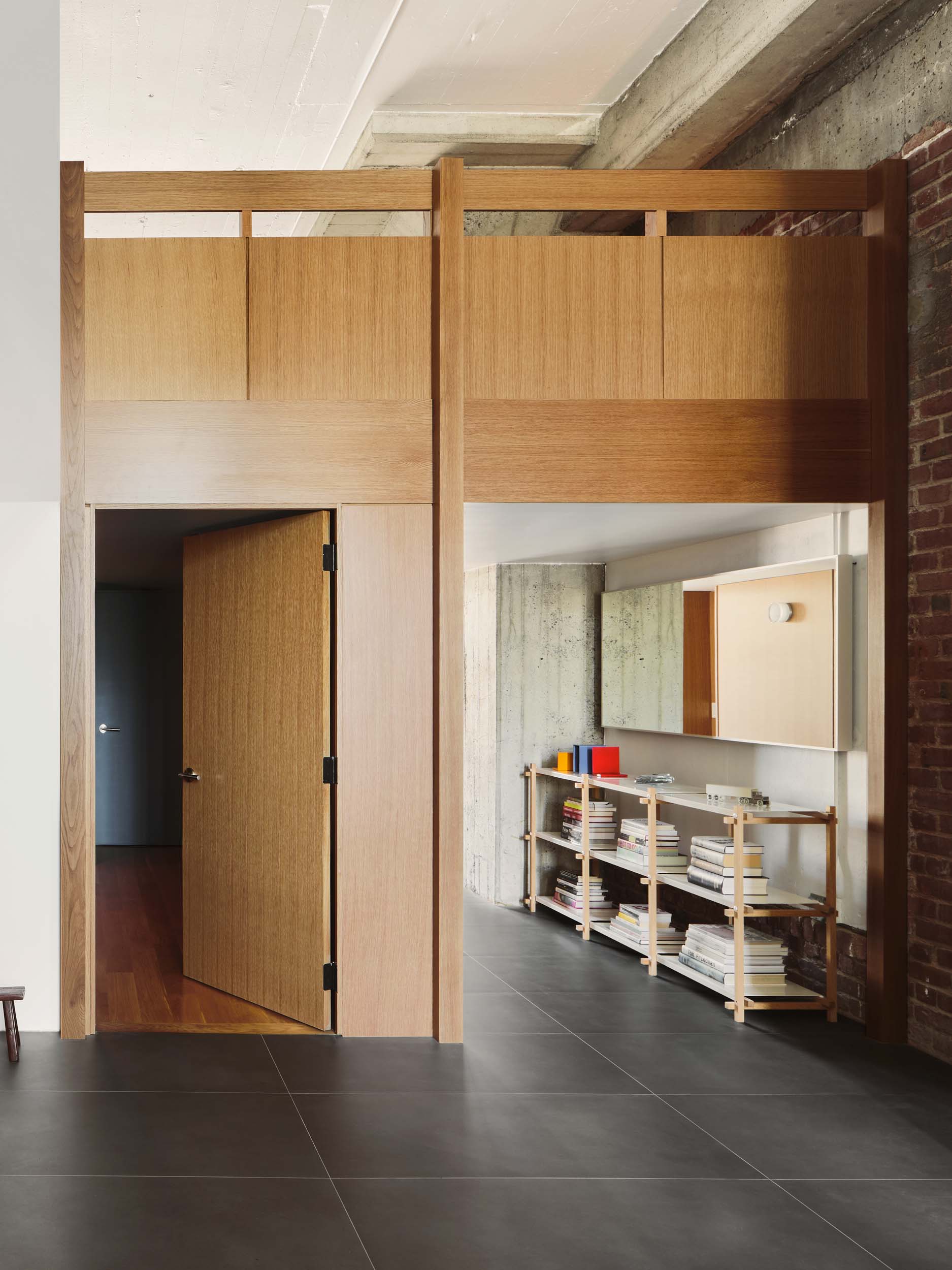
In a similar vein, the design revolves around a solid oak core at the center of the loft. Dividing the apartment into five areas, this intervention centralizes services and frees the corners of the home to be open and social, while still offering privacy near the core.