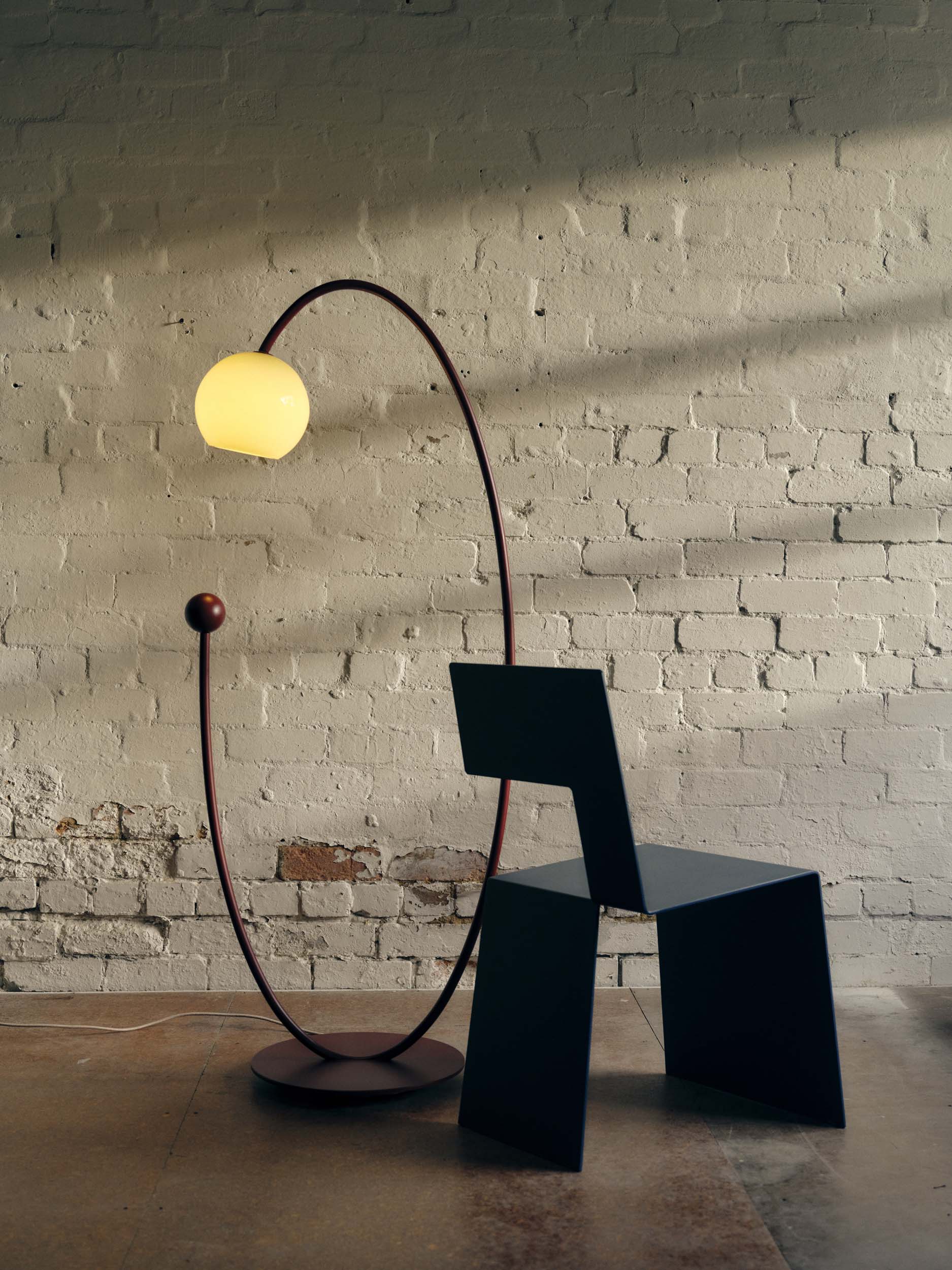
While Australia has long been recognized as an epicenter for contemporary architecture, its collectible design scene remains under the radar. The country’s rich cultural heritage, vast landscapes, and commitment to sustainability has incubated a distinctive design sensibility. In Melbourne in particular, the work of contemporary makers possesses a playful sophistication. The city is developing rapidly, but a critical mass of creatives are gathering in neighborhoods like Fitzroy and Coburg where studio space remains affordable. Within this collectible design scene, upcycled materials and sustainable production are as much a part of the narrative as the form and function of each piece. Many of the artists I visited found their artistic voice through trades rather than school: One was previously a plumber, another a roofer. Similar to the work of artists such as Theaster Gates, these practices rely on craft, labor, skill, and everyday materials as calling cards.
In Melbourne, I spoke with six emerging talents making their mark on the country’s burgeoning collectible design movement.

Studio Kaytar
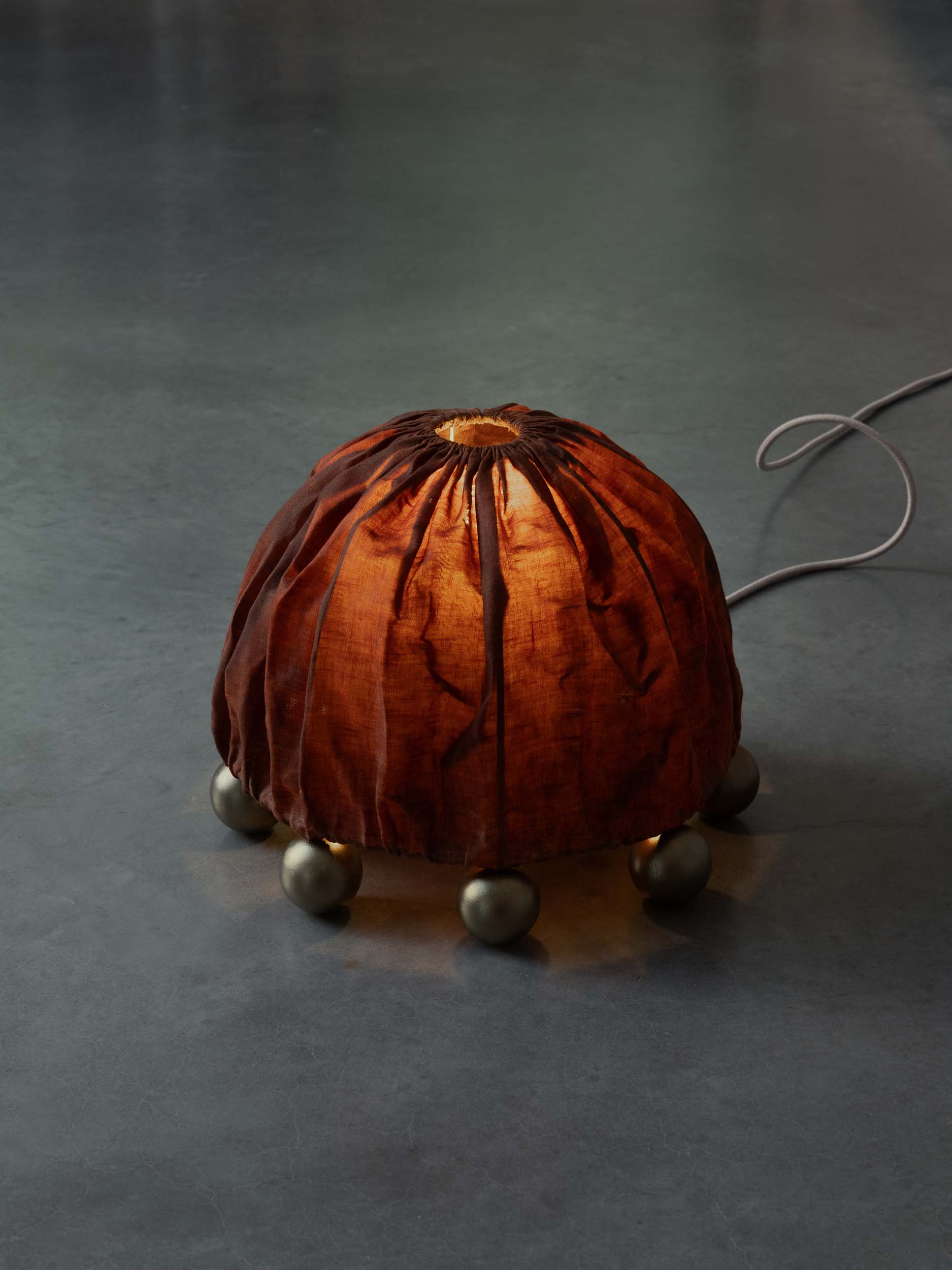
“I’m curious about the relationship we have with matter and the life of the objects we surround ourselves with,” Studio Kaytar founder Jacqueline Kaytar told me when we met in Melbourne at Craft Victoria. Her Brisbane-based artistic practice is guided by alchemic experiments and the manipulation of natural materials. Her Alter pendants and lamps, for example, sport shades made of plant-dyed linen encased in beeswax. The sand-cast aluminum legs of Kayar’s Bark Table mimic the rough-hewn texture of iron bark, offering the dual purpose of sculptural expression and function. “I explore the transformation of living materials that patina or change with time,” Kaytar said. “Some are hard like metal and others soft like textiles and beeswax, [but] all, like nature, are perfectly imperfect and have an individual sense of charm.”
Nayme
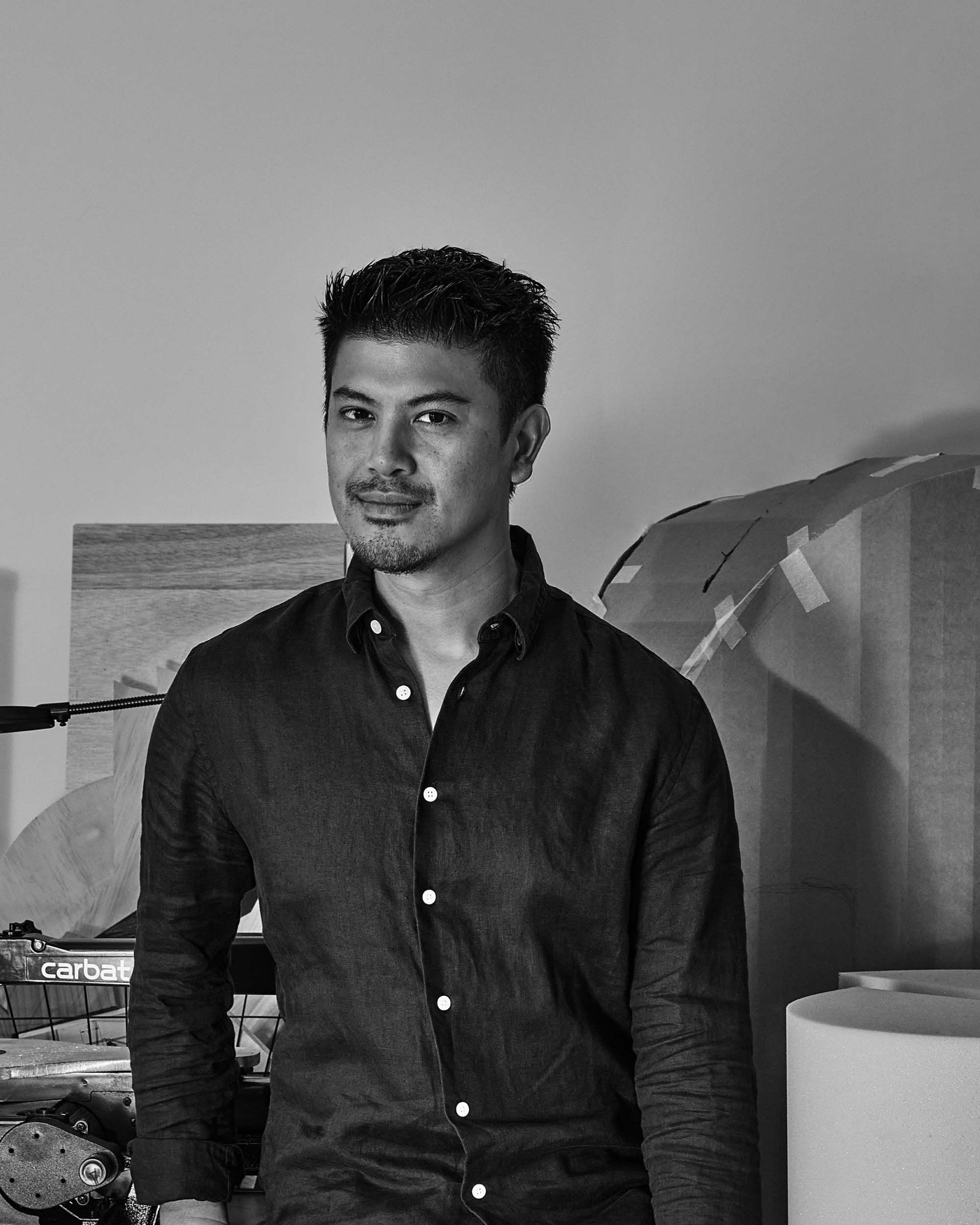
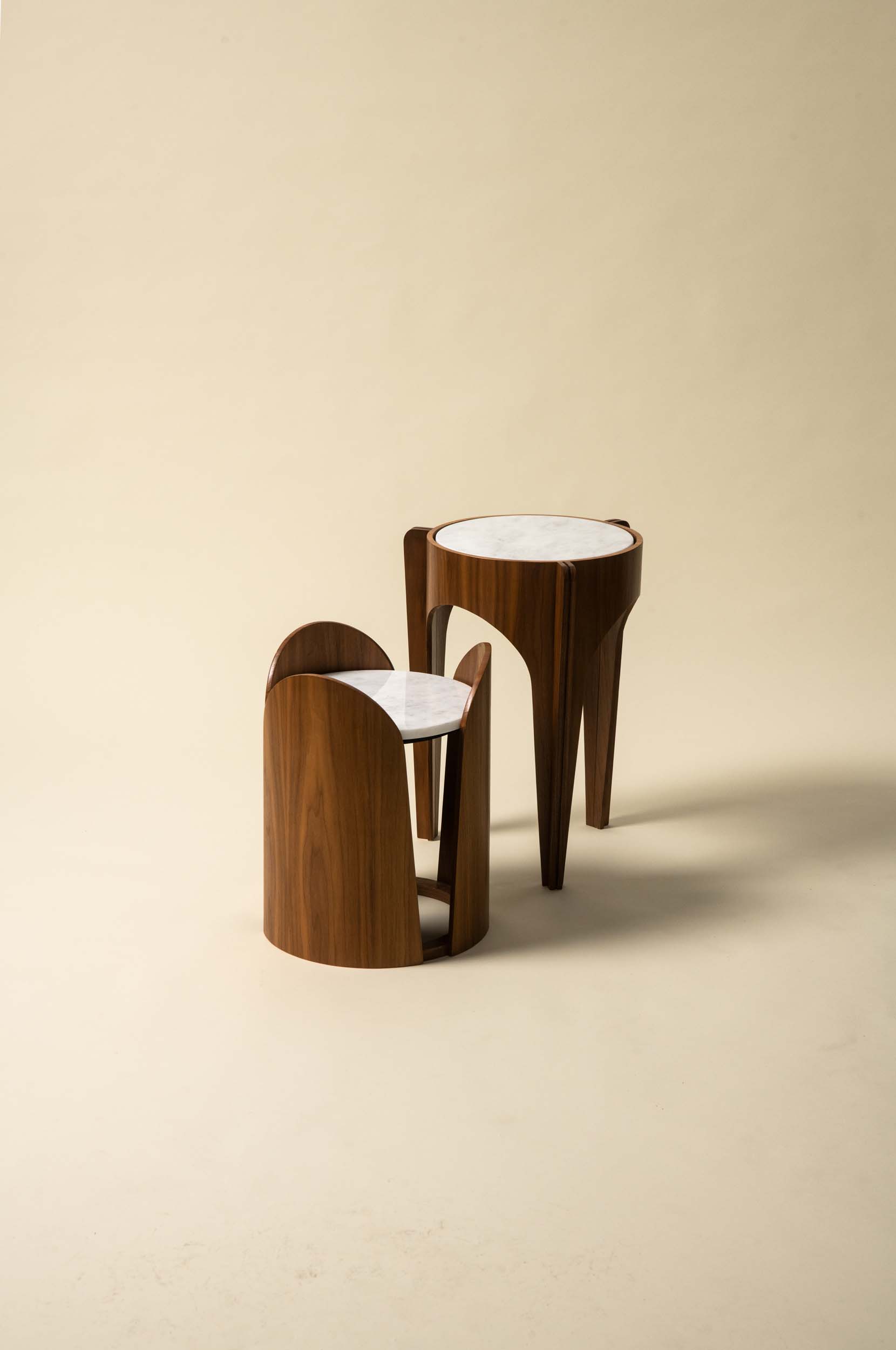
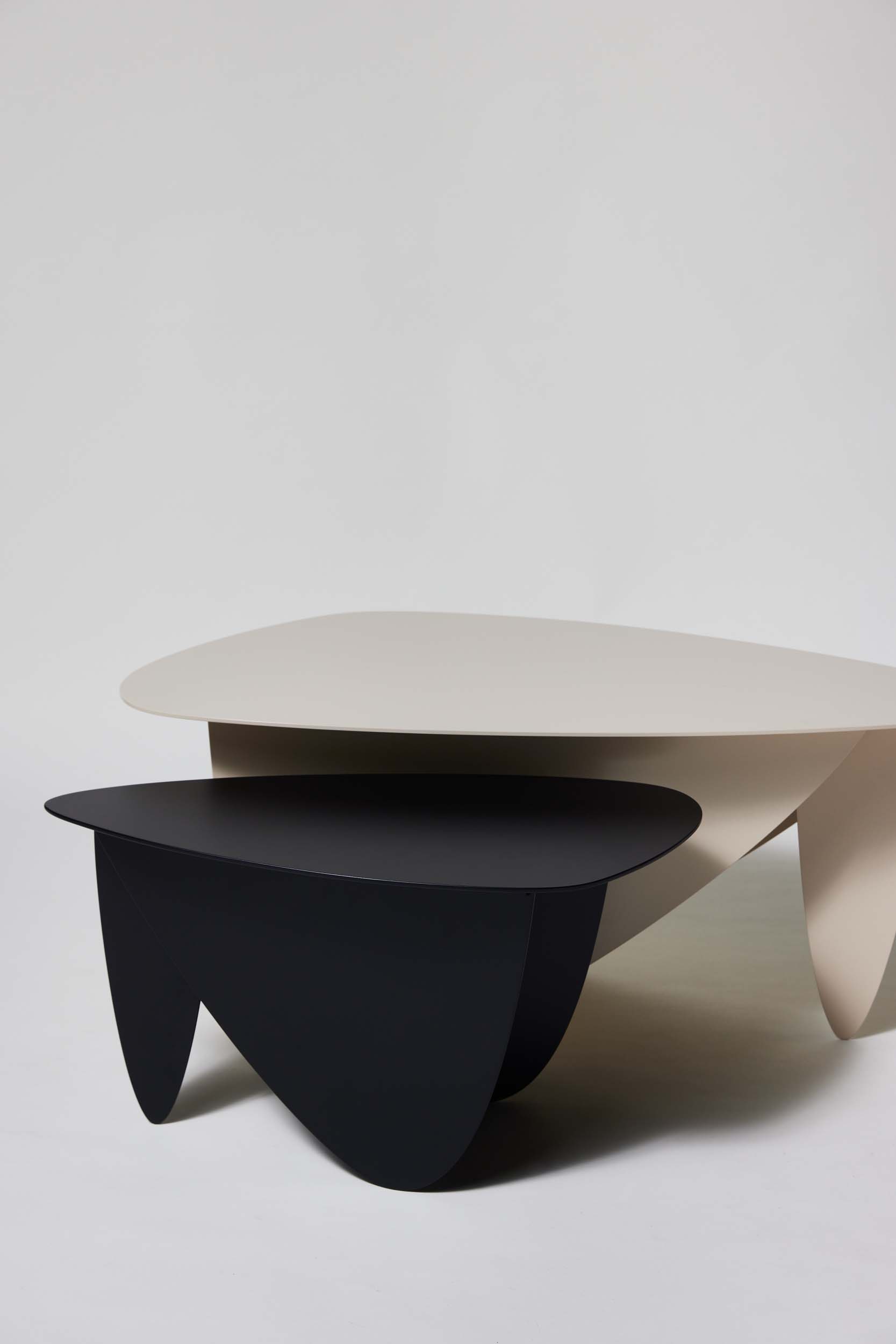
Nae Tanakorn is a relative newcomer in the Australian collectible design scene, but he has quickly made a name for himself after winning Craft Victoria’s inaugural Emerging Maker Award in 2022 and a Vivid Award for the Resonate Table in 2023. His Haute Table—actually two tables in one, designed to nest perfectly together—is another example of Nayme’s unique design perspective and meticulous approach to fabrication. Tanakorn’s most recent work, the Jintana Cabinet, draws inspiration from his Thai heritage. Conceptualized as a series of pods representing purity, potential, and new beginnings, the cabinet is made with artisans at the Traditional Bamboo Handicraft Centre in Chonburi to utilize traditional bamboo basket weaving, a technique that has been passed down for generations. “I create art forms that resonate with my emotions. I channel my feelings into my creative practice, allowing me to feel connected to my pieces,” Tanakorn shared. “There is no defined pattern or measurements when I conceptualize my work; it has to feel right to me.”

Simon Leah
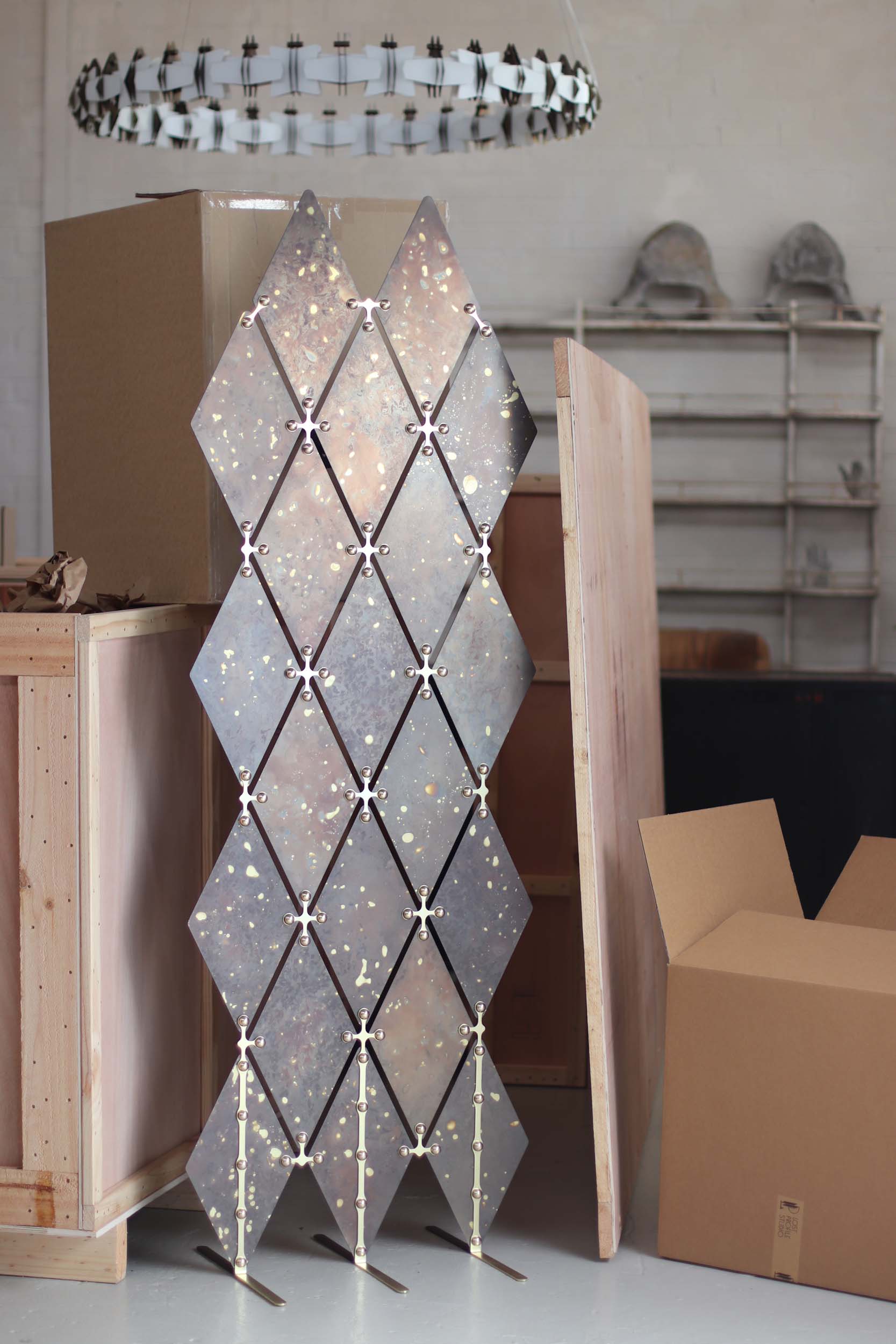
“My design practice is all about the applied surface and the interplay between light, color, texture, and materiality,” said Simon Leah during a studio visit. His metal work, which uses hand marbling and acid-patination techniques, straddles the line between decorative arts and functional design. Large-scale, site-specific sculptures, over-the-top table lamps, and origami-like screens all bear Leah’s signature patinas. His work, in a nod to the past, reinterprets decorative details that are too often overlooked in contemporary architecture and design. “I like to imagine an ‘end’ client for each piece,” Leah said. “It might be a cluttered corner of Iris Apfel’s apartment, a fascinator atop Anna Piaggi head, or a prop on a John Galliano runway.” Similarly, he imagines his pieces on view in diverse settings like a roadside collection or a dusty antiques store, “not always glamorous but always maximalist.”
Nicole Lawrence Studio
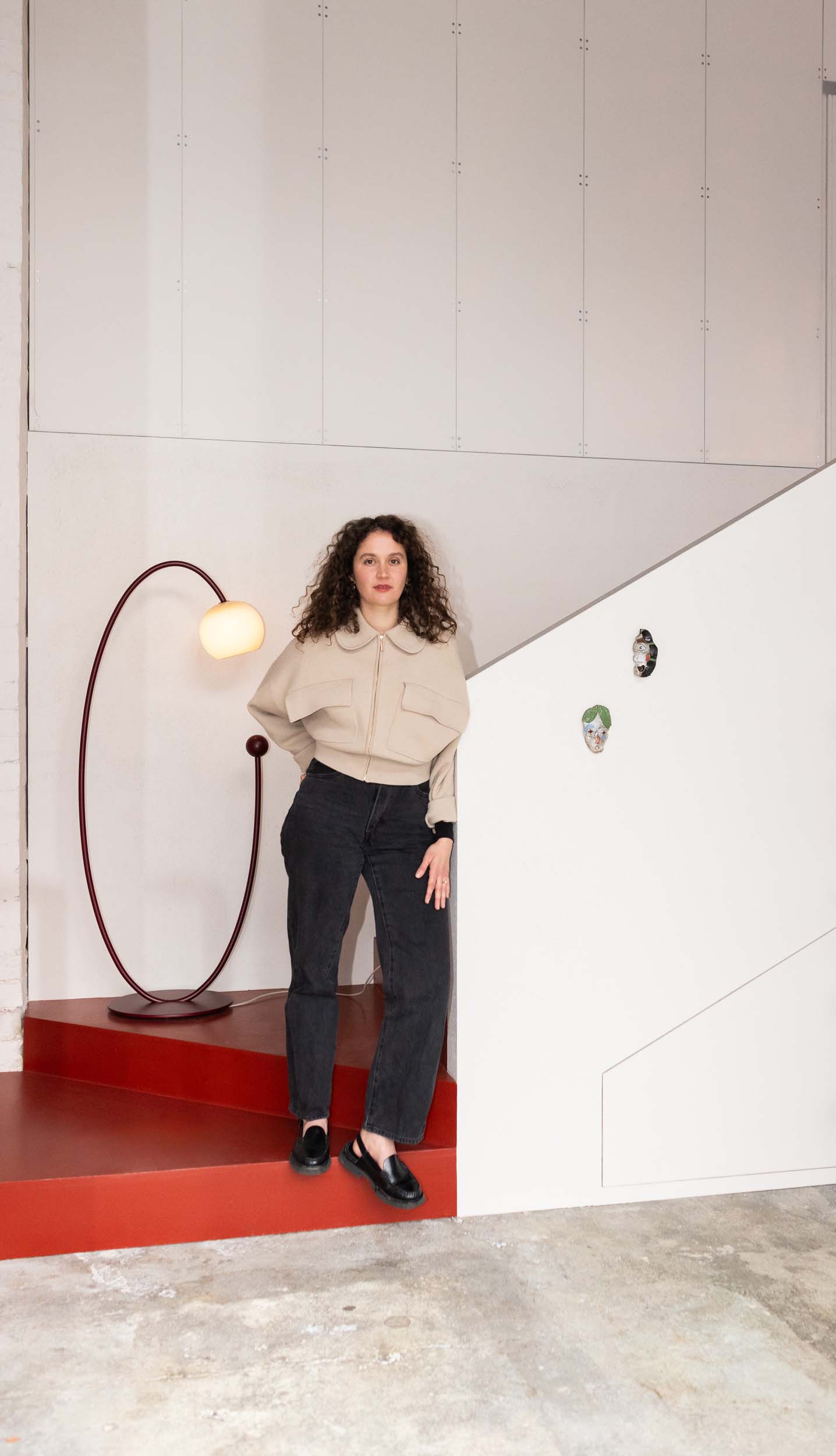
Nicole Lawrence cut her teeth creating lighting for Christopher Boots before leaving to start her eponymous studio in 2020. Drawing on her technical expertise in gold- and silversmithing, and her background in industrial design, Lawrence’s work balances structural purpose with artistic freedom. Her Heavy Hand Mirror exemplifies this equilibrium: Using the age-old technique of press forming, she coaxes brass into a fluid form, pushing the limits of production without using heat. A still-unnamed lighting series combines metal work, semiprecious stones, silk, linen and lighting elements to an ethereal effect. She is confident that what she shows next will make an impression: “The body of work currently in development is a true reflection of my multilayered background.”
Drew Abrahamson
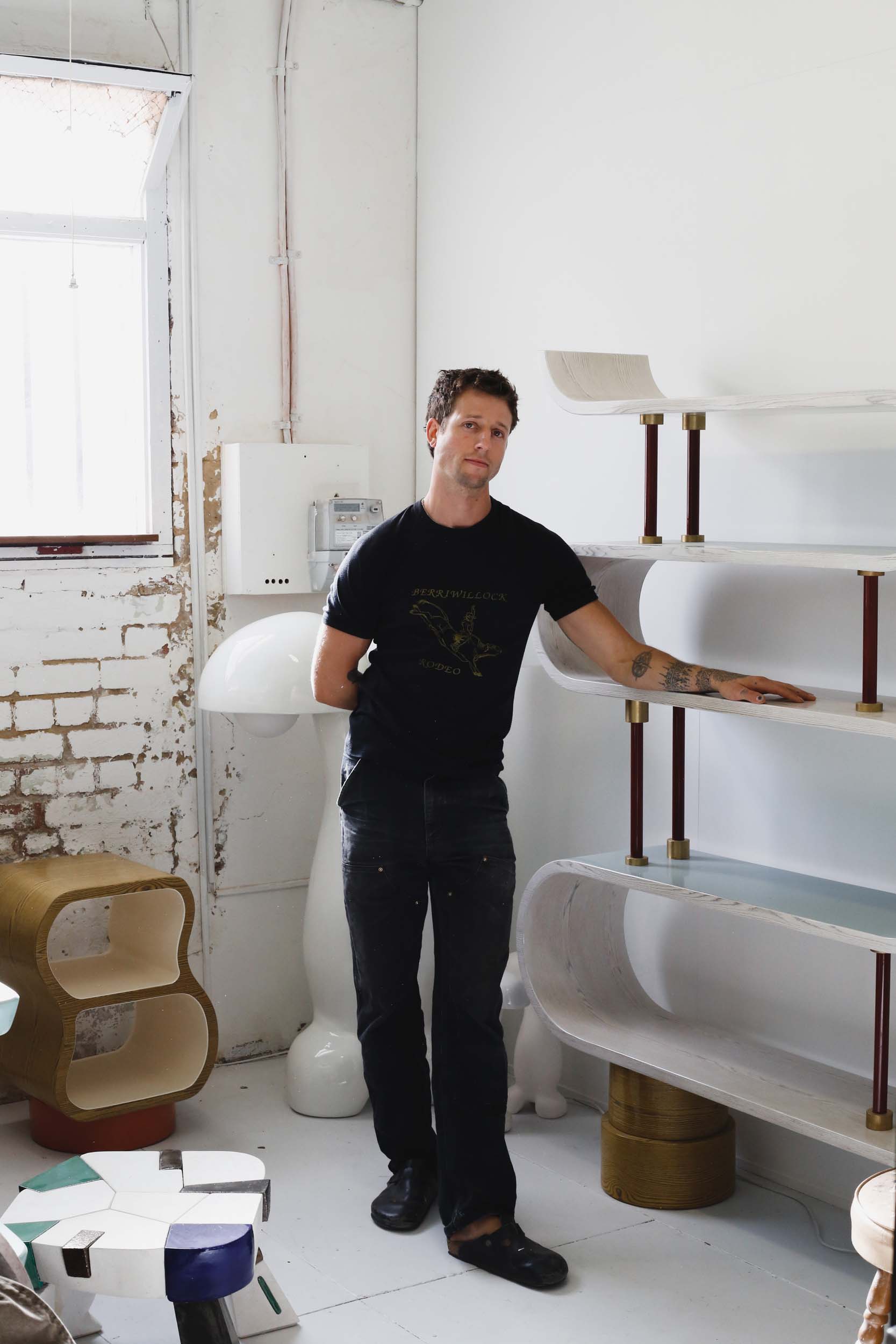
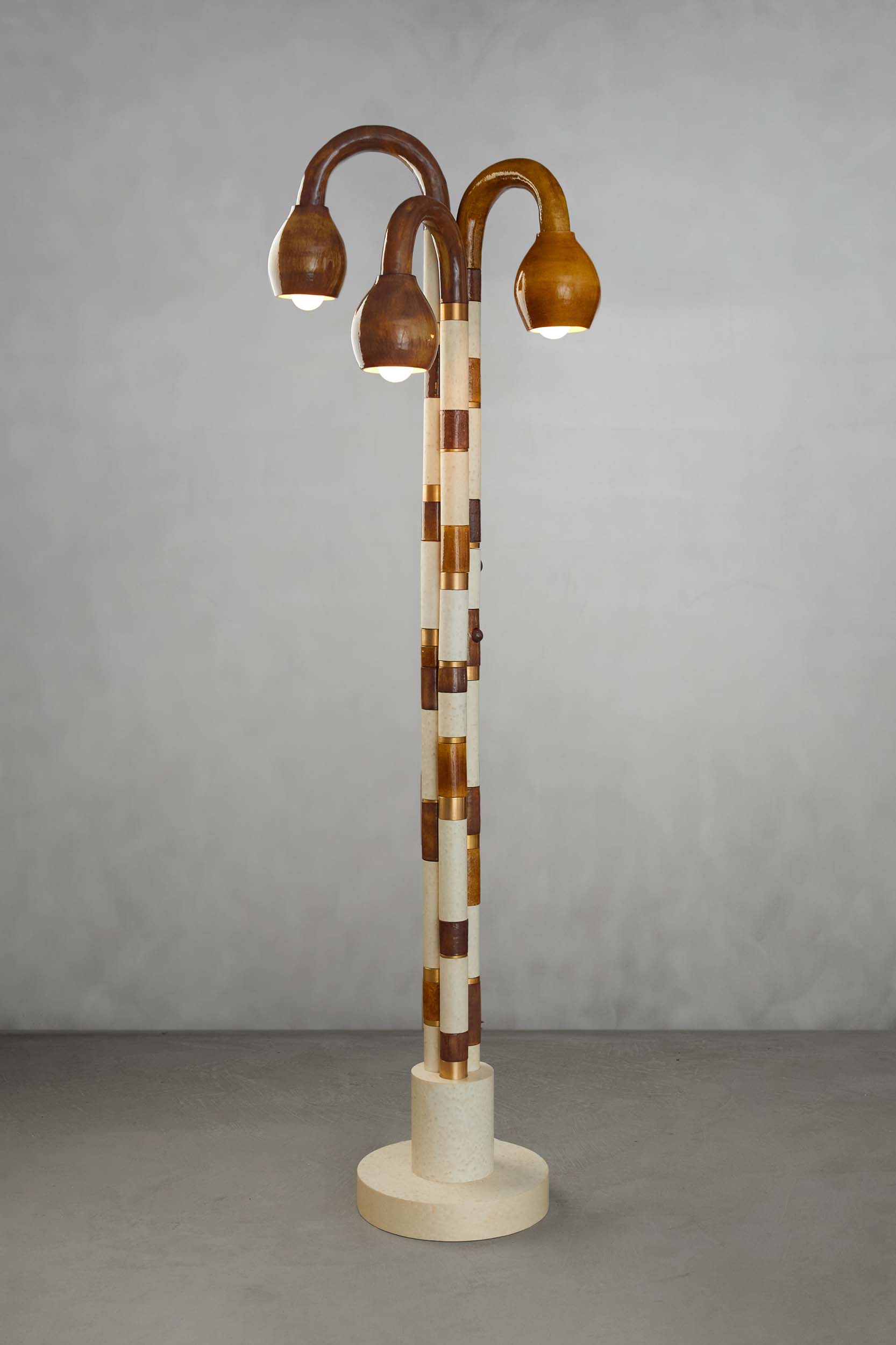
A self-taught artist and designer, Drew Abrahamson actively mines his surroundings for creative content. Earth’s natural wonders, fabulousness, and sensuality are key themes that appear throughout his work. Drawing on his background in illustration, landscaping, sculpture, and carpentry, Abrahamson works across multiple mediums unapologetically: “Attempts to categorize my work is time wasted,” he said. His Baste Floor Lamp layers ceramic, brass, and wood veneer to stunning effect. The Lignum Sanctum coffee table, a series of reassembled illustrations clad in walnut burl veneer, is a hedonistic ode to the opulence of ancient mythology. In his view, the pieces display “the asymmetric chaos of nature and modern civilization” for all to see.
Eugenie Kawabata
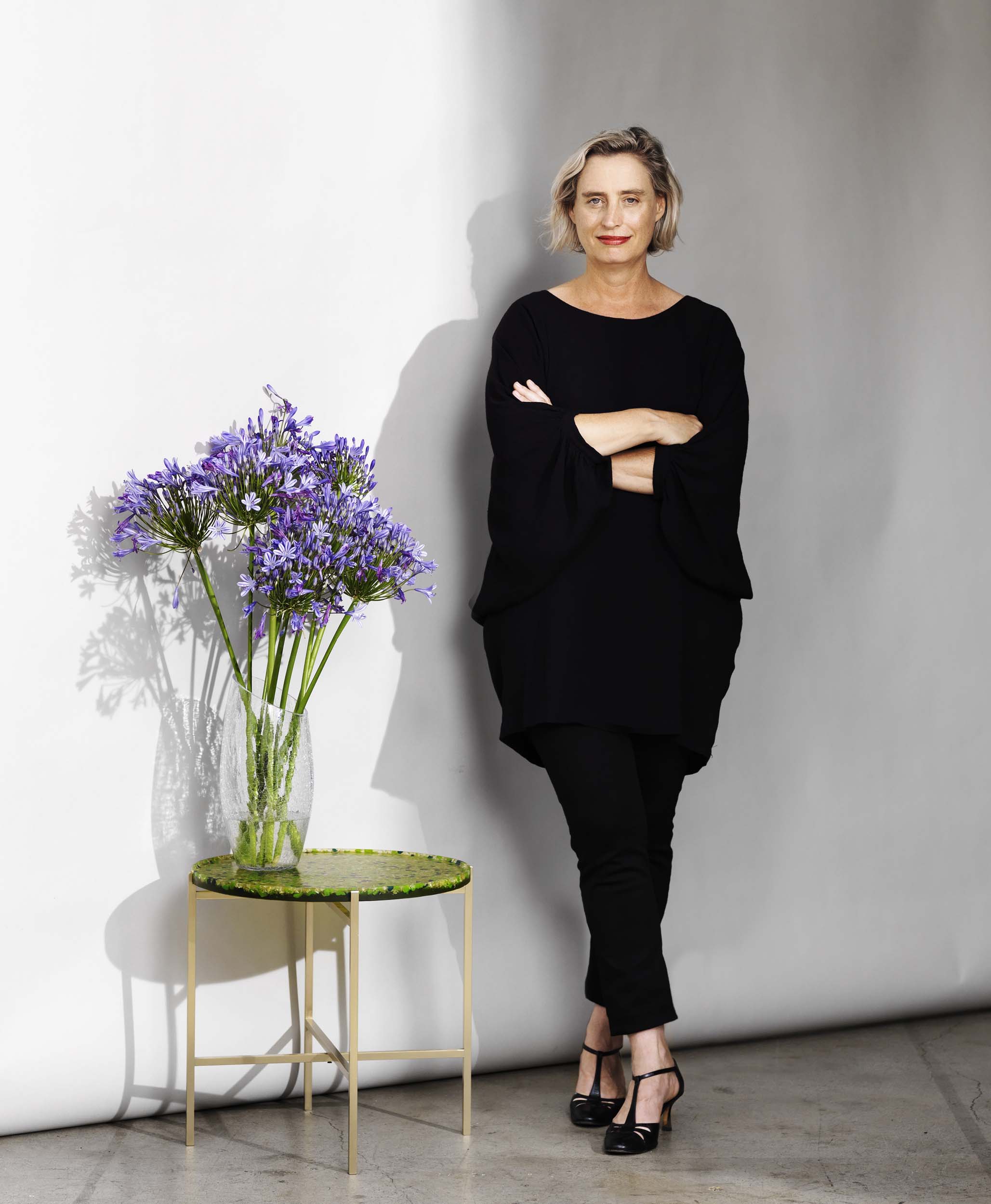
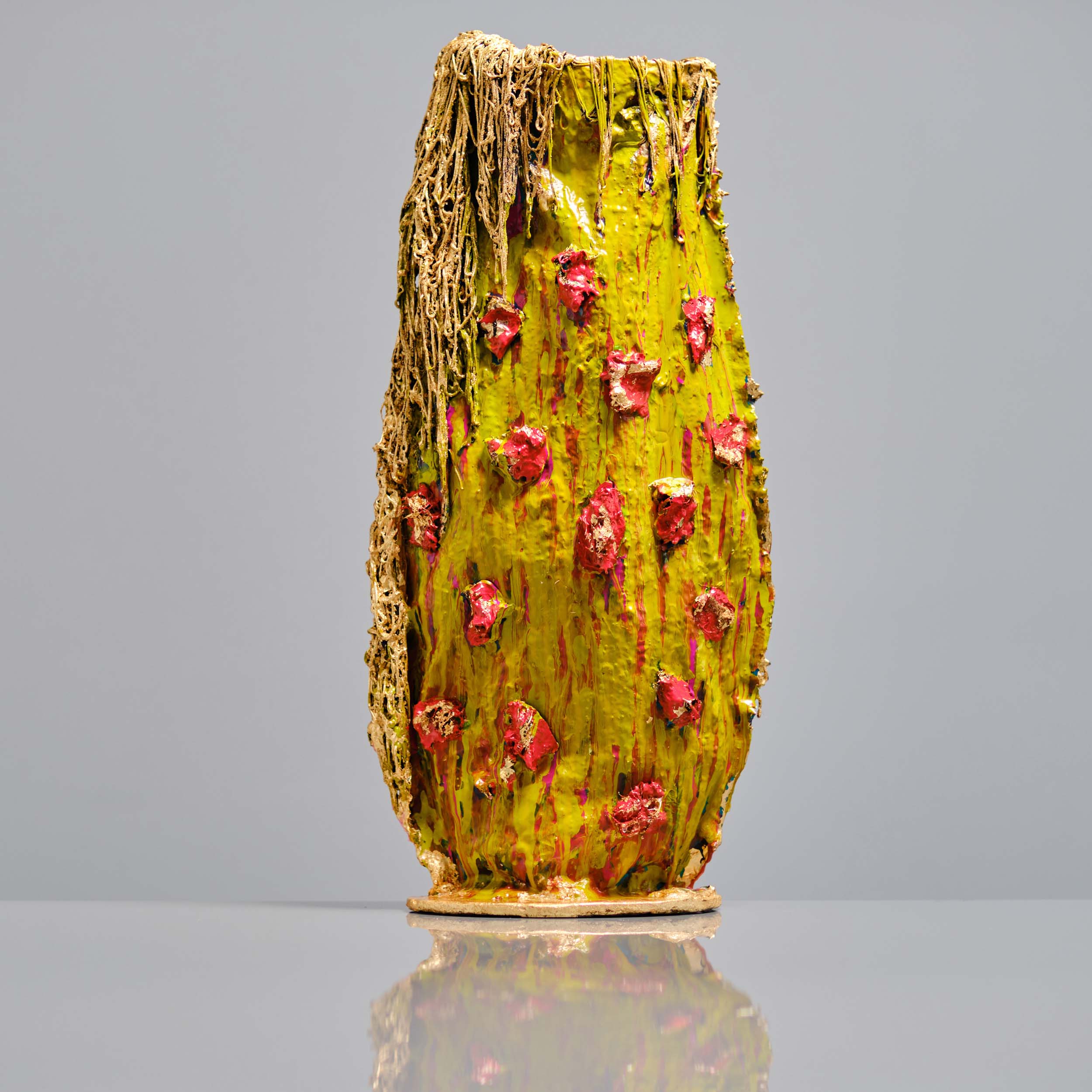
With an emphasis on materials and sustainability, Eugenie Kawabata crafts contemporary design objects from industrial waste: She stitches, dyes, paints, and injects pieces with resin, transforming them into objects of beauty and value. Kawabata’s recent collection of vessels, entitled Botanica Exotica, are inspired by her walks through Melbourne’s botanical gardens during the city’s strict COVID-19 lockdown. “These walks became a daily ritual and escape,” she shared. Captivated by the visual dialogue between exotic and native plant life, she was “particularly taken by the often-overlooked elements and tensions that coexistence presents: oozing resins and gums, scars and disfigurements caused by invasive micro-organisms, parasitic plants, and exotic fungi. The unwanted guests.” The results are a tactile manifestation of Kawabata’s imaginings of what goes on beneath the surface.