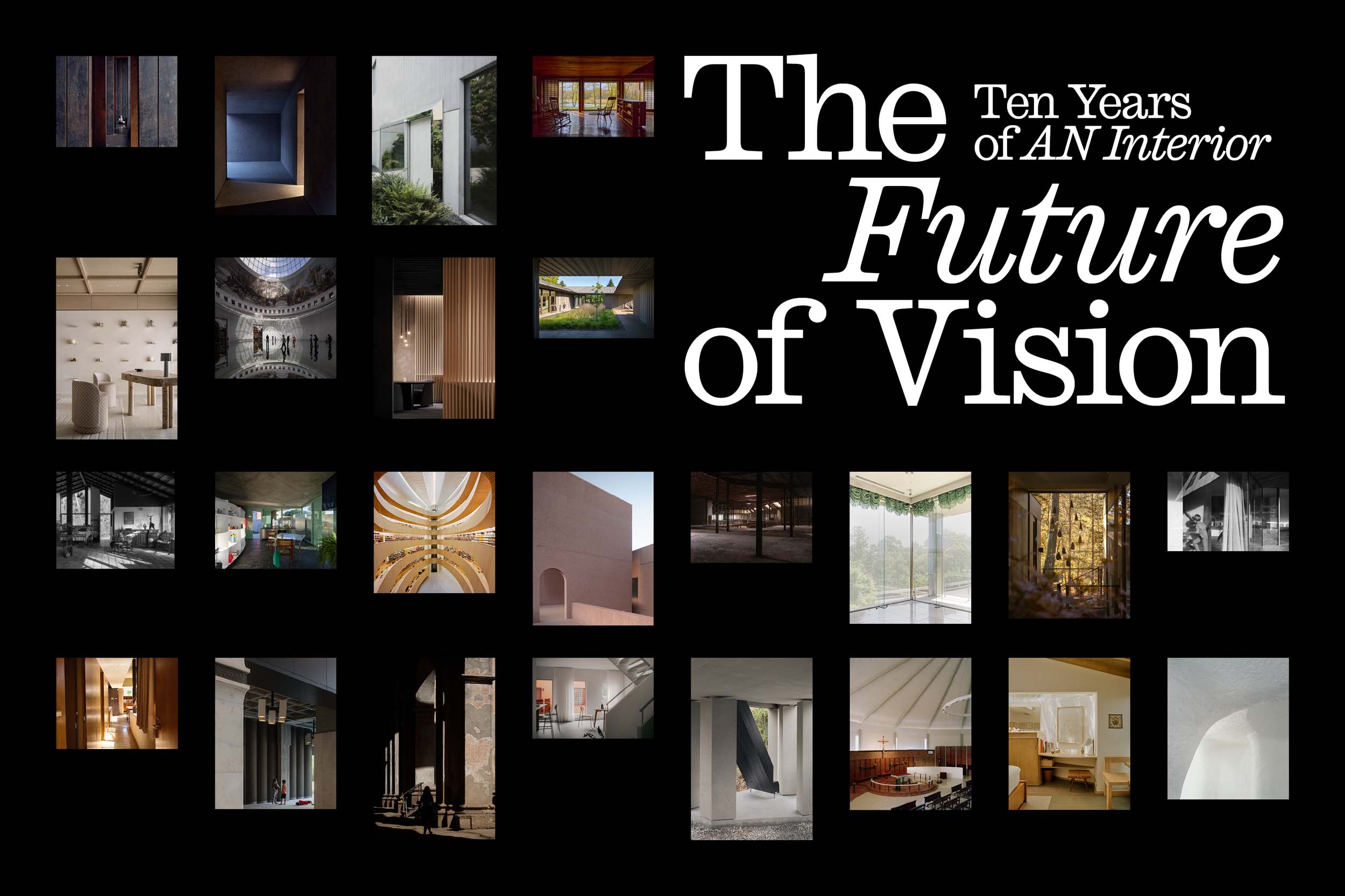
When AN Interior was jumpstarted a decade ago, its early editors wanted to explore the concept of “interior” as a condition, which meant a wide range of subject matter was fair game, from high-end residential projects to museums and biennale venues. Over the years, in print and online, the award-winning magazine has grown into a go-to source for insider views
Today, the publication celebrates ten years of covering interiors and design with a special section that invites speculation from our editorial apparatus—meaning, contributions from photographers and writers from around the world. In looking forward to tomorrow’s urgencies, important questions arise: What—and how—should we be looking at when we view design? What are refreshing ways we should be seeing and understanding the world of interior architecture and design? What are our blind spots that should be corrected? What is inspiring enough to lead the way?
In addition to written reflections from writers, curators, and directors, photographers shared with AN Interior their thoughts on what ought to be seen. The following photographs display creative vision as well as ruminations by the photographers on the shot at hand.
Stijn Bollaert
Brussels
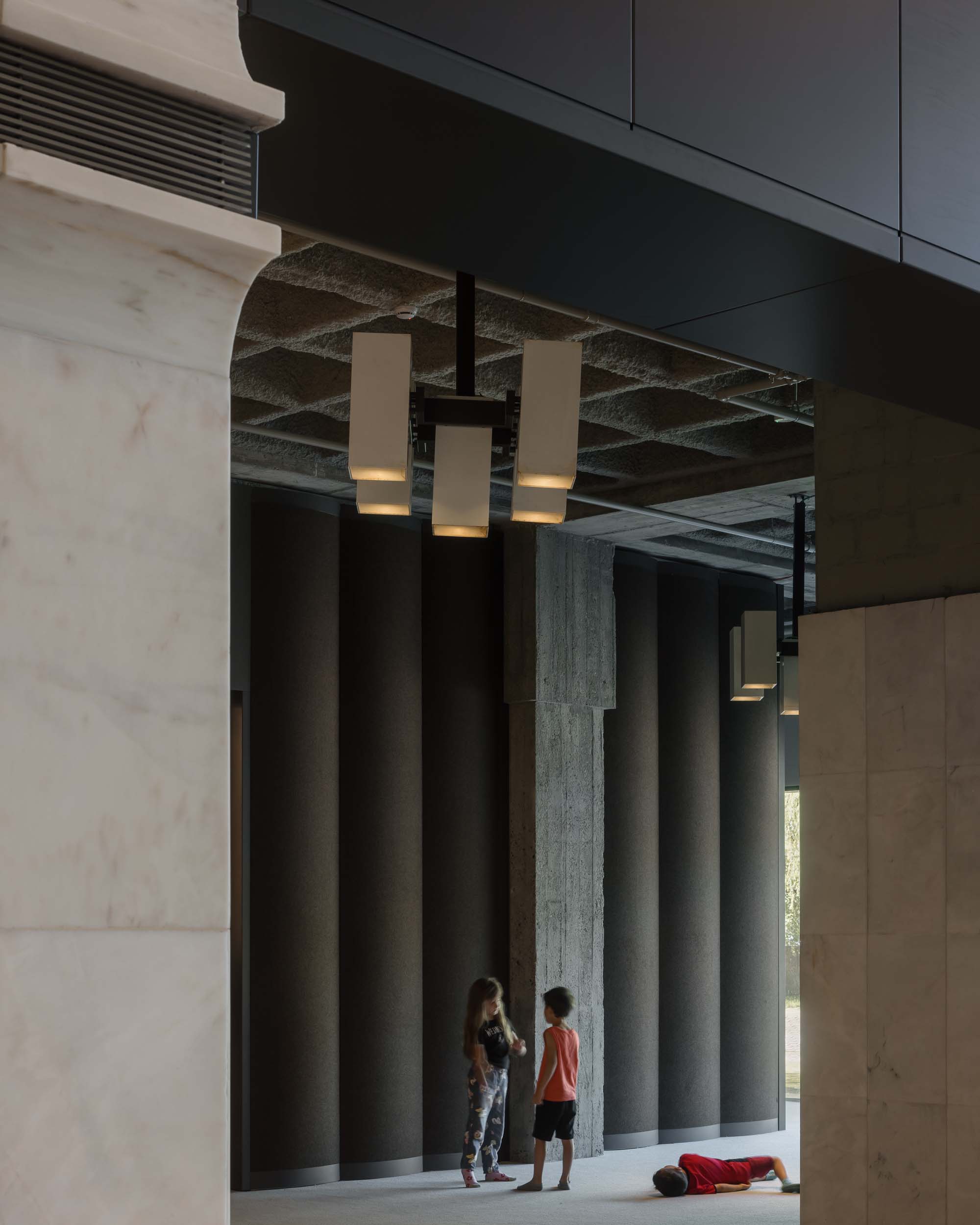
This is an image of the Royale Belge by Bovenbouw Architectuur, Caruso St John Architects, and DDS+. It’s a functionalist/brutalist former office building in Brussels that has been restored and transformed and now incorporates conferences facilities, offices, coworking spaces, a hotel, a health club, and restaurants. A beautiful, slightly surreal scene in a setting that effortlessly combines old and new.
Simone Bossi
Arzachena, Italy
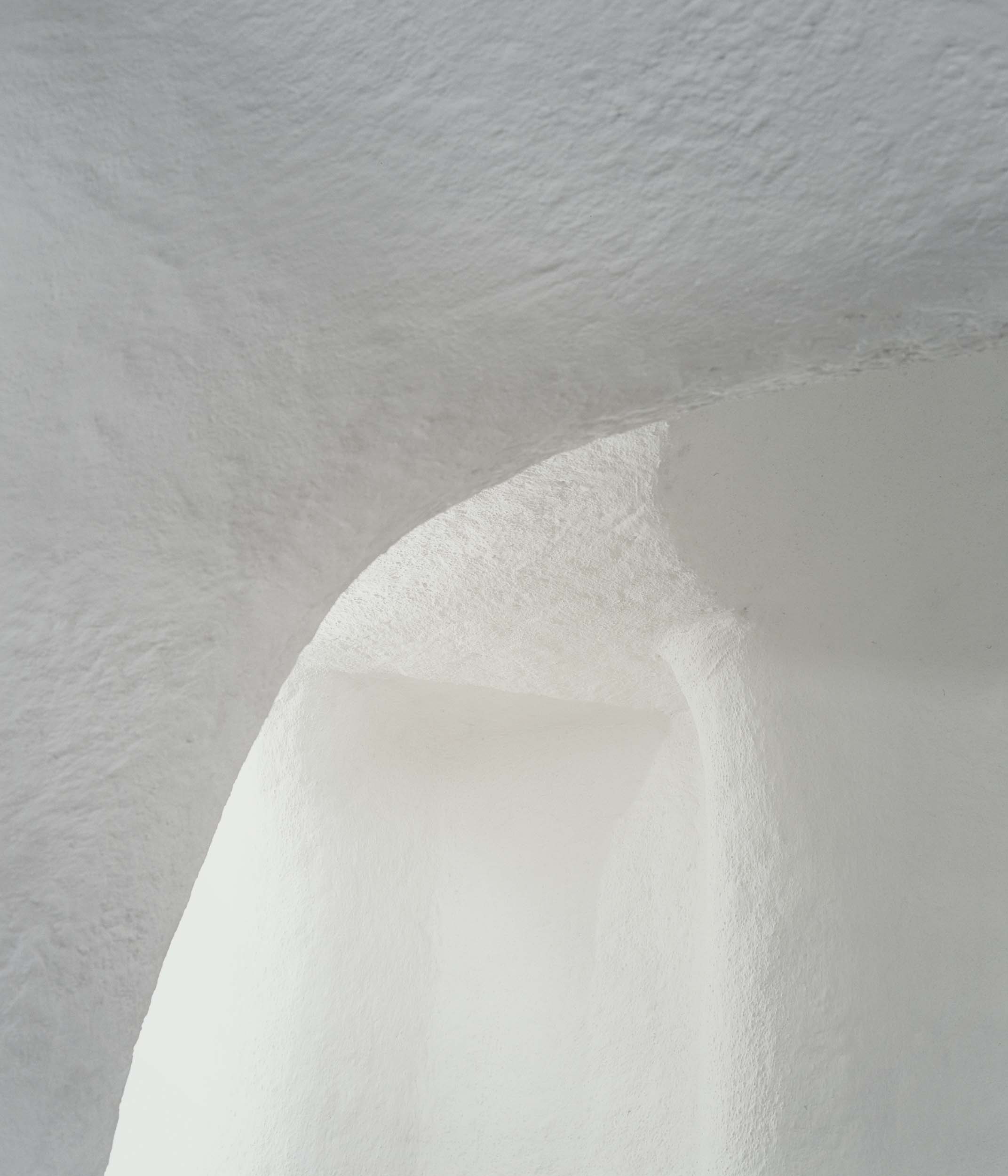
I am drawn to the weight of emptiness—not as an absence, but as a space where life and emotions can be projected. Emptiness is never truly empty if one looks closely enough; instead, it holds a quiet presence, an invitation to perceive beyond what is visible. Through my work, I attempt to get closer to its essence, revealing something I deeply sense yet cannot fully define.
Nuno Cera
Los Angeles
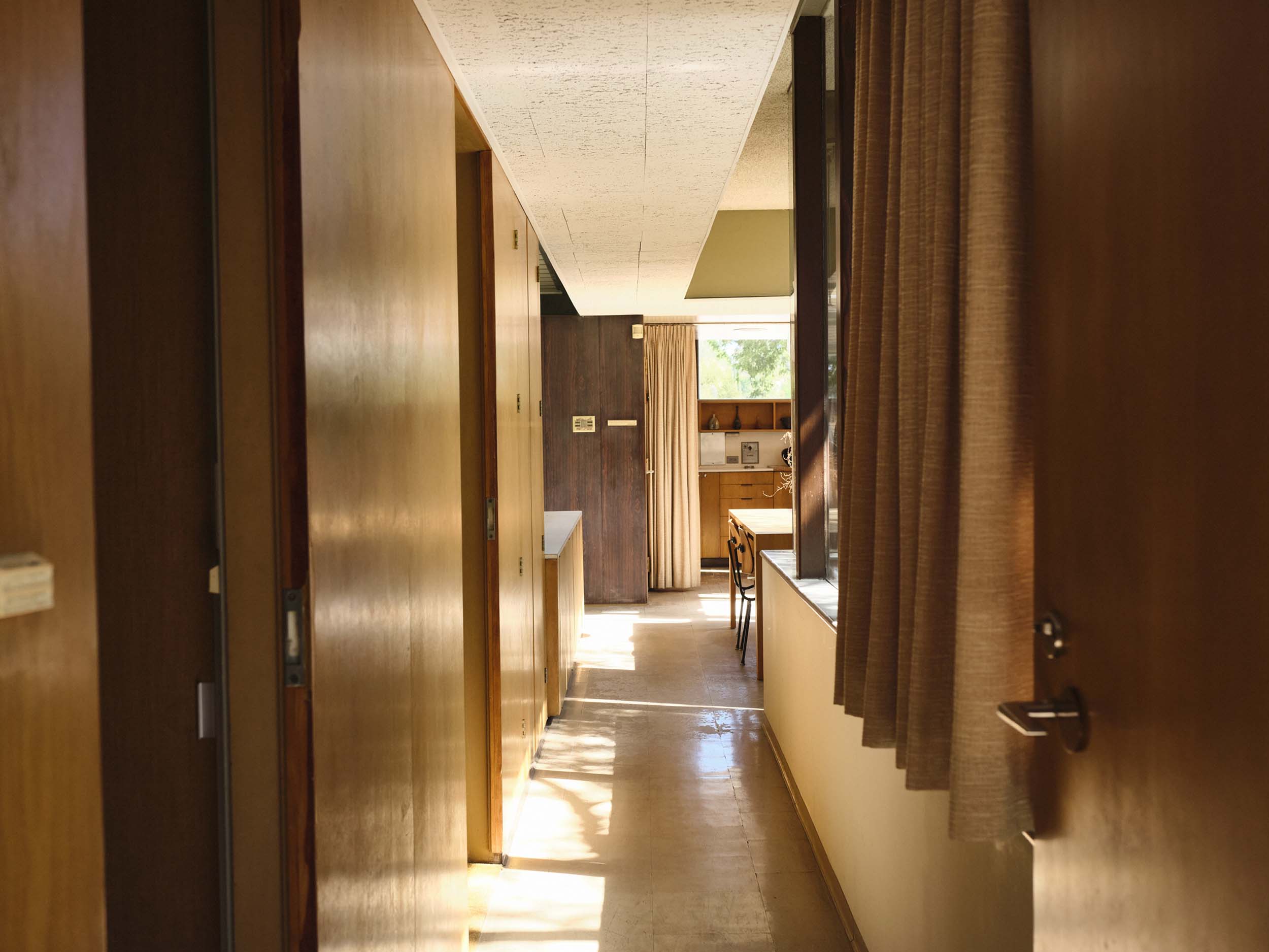
This image makes me feel warm. I remember the hot day in L.A. and the very warm feeling in the house of Richard Neutra. As I walked through the spaces, I discovered the rooms, the details, and the optimistic vision inviting life to happen.
Tag Christof
Ausgusta, Georgia
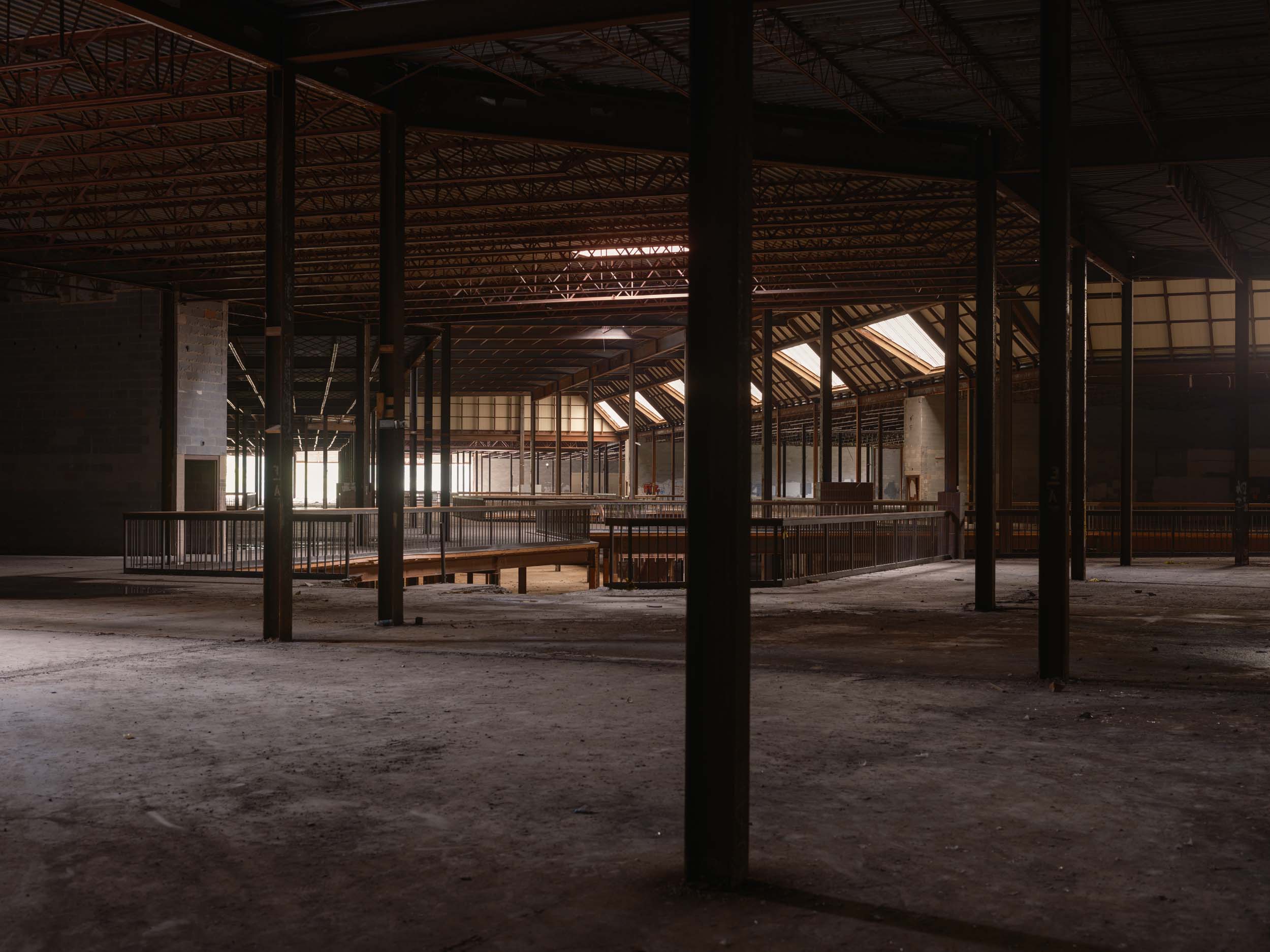
This is the Regency Mall in Augusta, Georgia. Every time I visit this place, among the very last un-renovated 1970s-era dead shopping malls in existence, I am surprised that it remains standing but also cannot help but marvel at the scale of the spaces that have been thrown away. This mall is an average-sized regional mall and similar to dozens upon dozens of others that have been demolished since the turn of the century. The scale of the waste is staggering.
Sean Davidson
Los Angeles
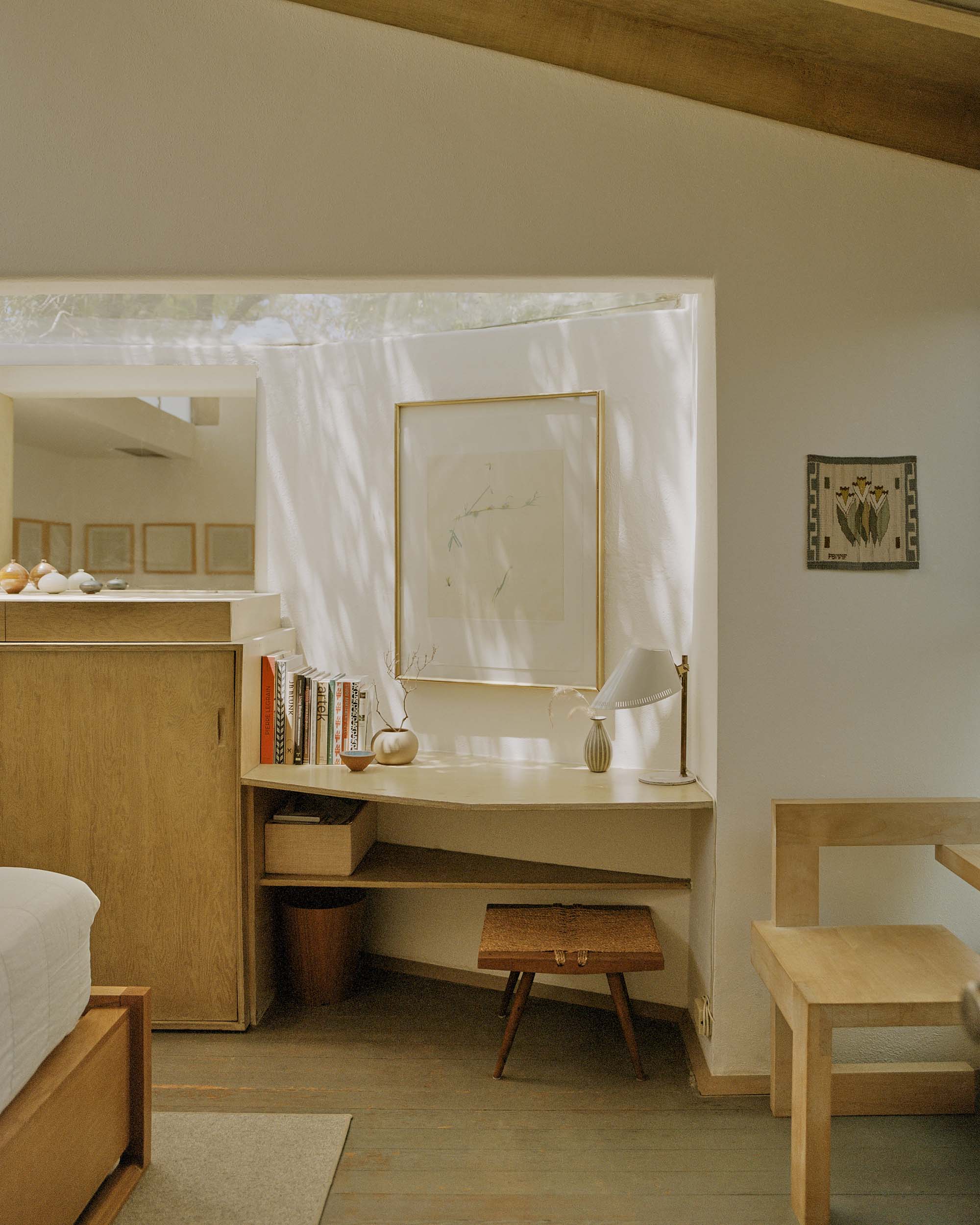
This image was taken at the Walker House in L.A., an R.M. Schindler—designed home owned by the amazing Andrew Romano.
Daniel Everett
Hamamatsu, Japan
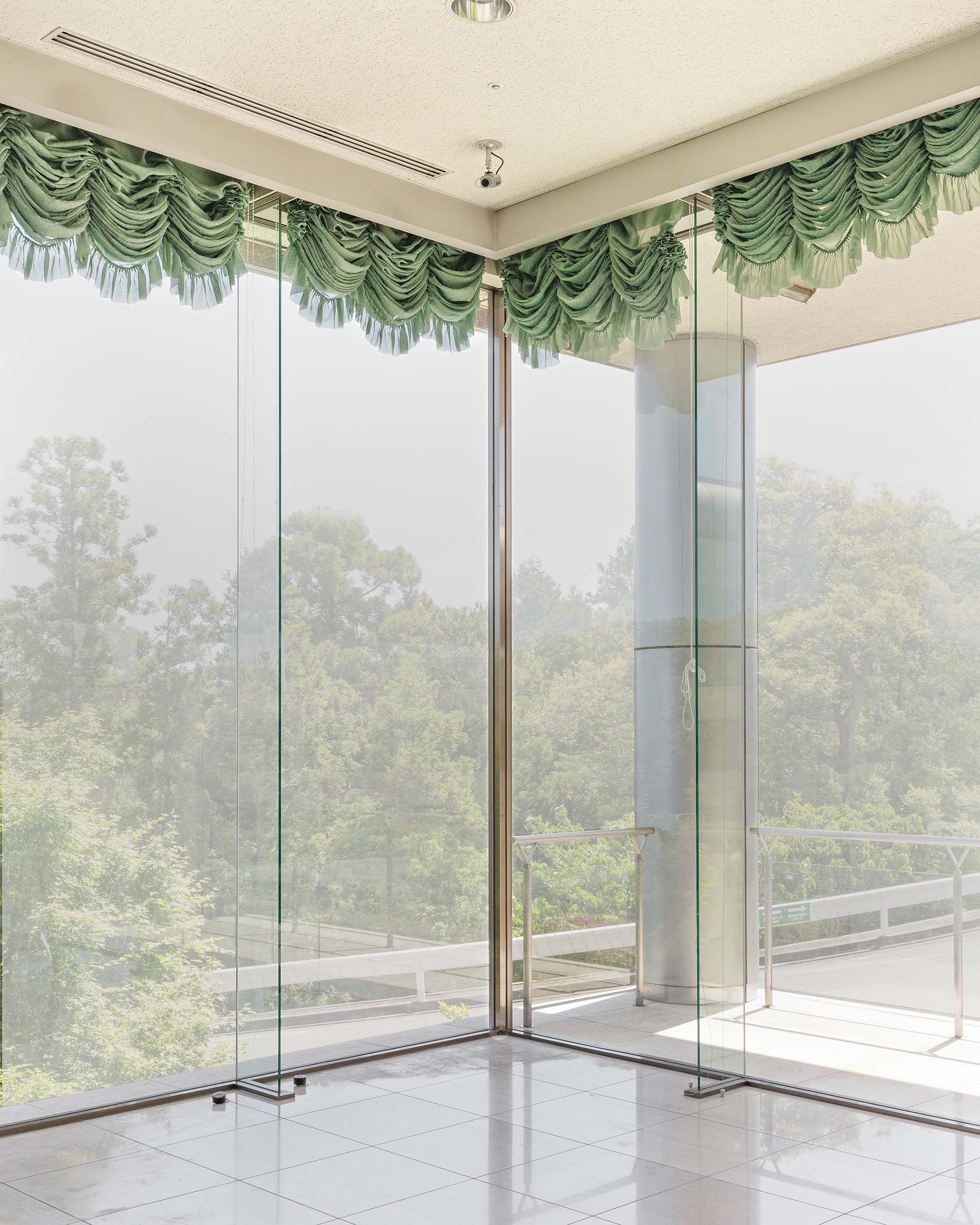
My architectural work largely focuses on the unintentional aesthetics of progress and the marks left behind from the systems we use to build and arrange space. The lobby image was taken in Hamamatsu, Japan at the Tsumagoi Resort, a former luxury corporate retreat in the 1990s that now operates at a fraction of its former occupancy and is largely out of commission and unmaintained.
Leonid Furmansky
Zurich, Switzerland
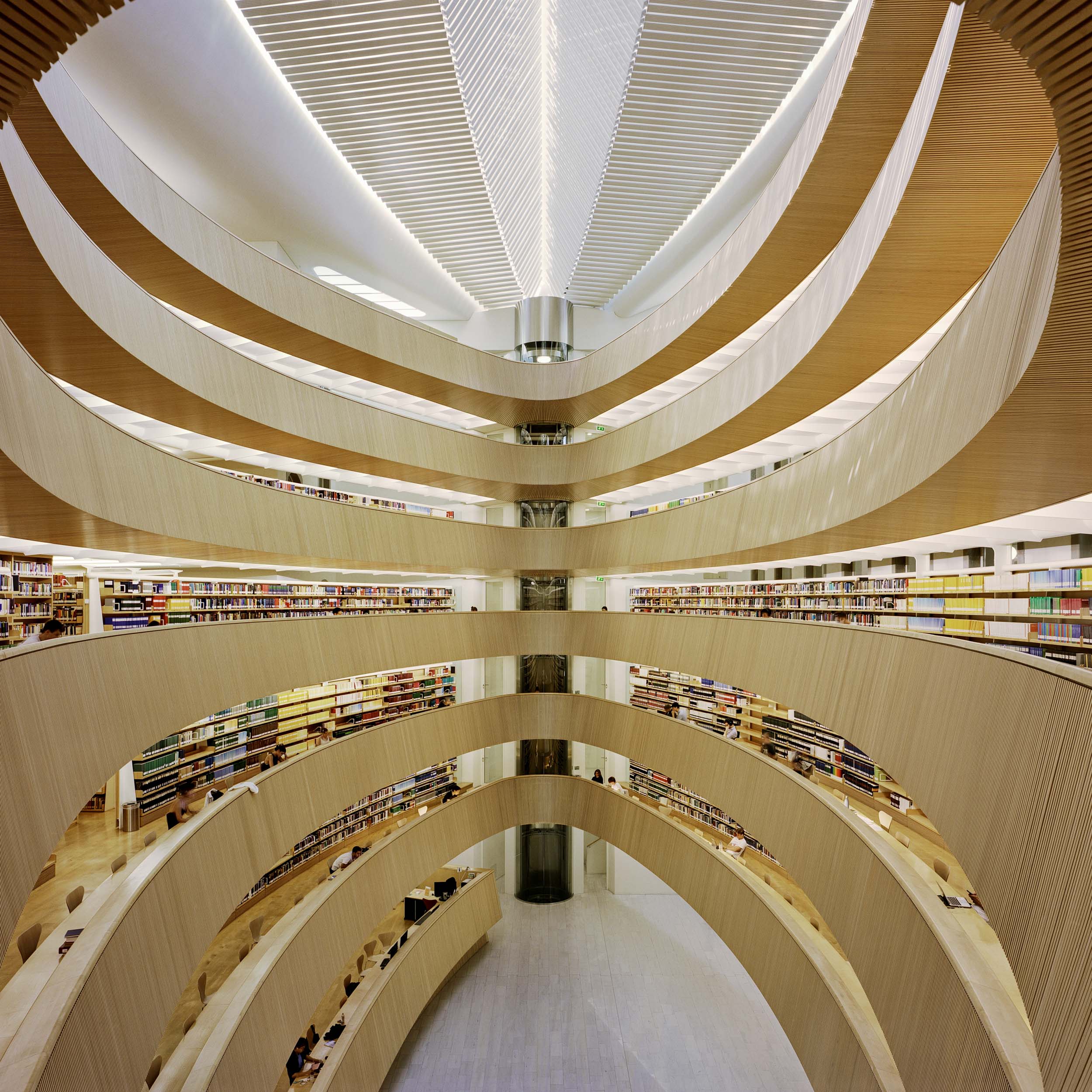
Interior photography reveals how people live and work, capturing the small details that define daily life. Yet, much of what we see in architectural photography today feels sterile—polished, curated spaces meant to showcase a designer’s portfolio rather than the realities of human presence. The struggle of interior photography in America isn’t technical; it’s rooted in insecurity—from designers seeking perfection to homeowners hesitant to reveal their lives. In America, we don’t create images to tell the true story of a home, we create them to present an architect’s idea of one. Although my submission is not a home, it’s a beautiful space in Zurich, Switzerland. The university library was photographed to be itself in the moment. We need more of this in interiors.
Rafael Gamo
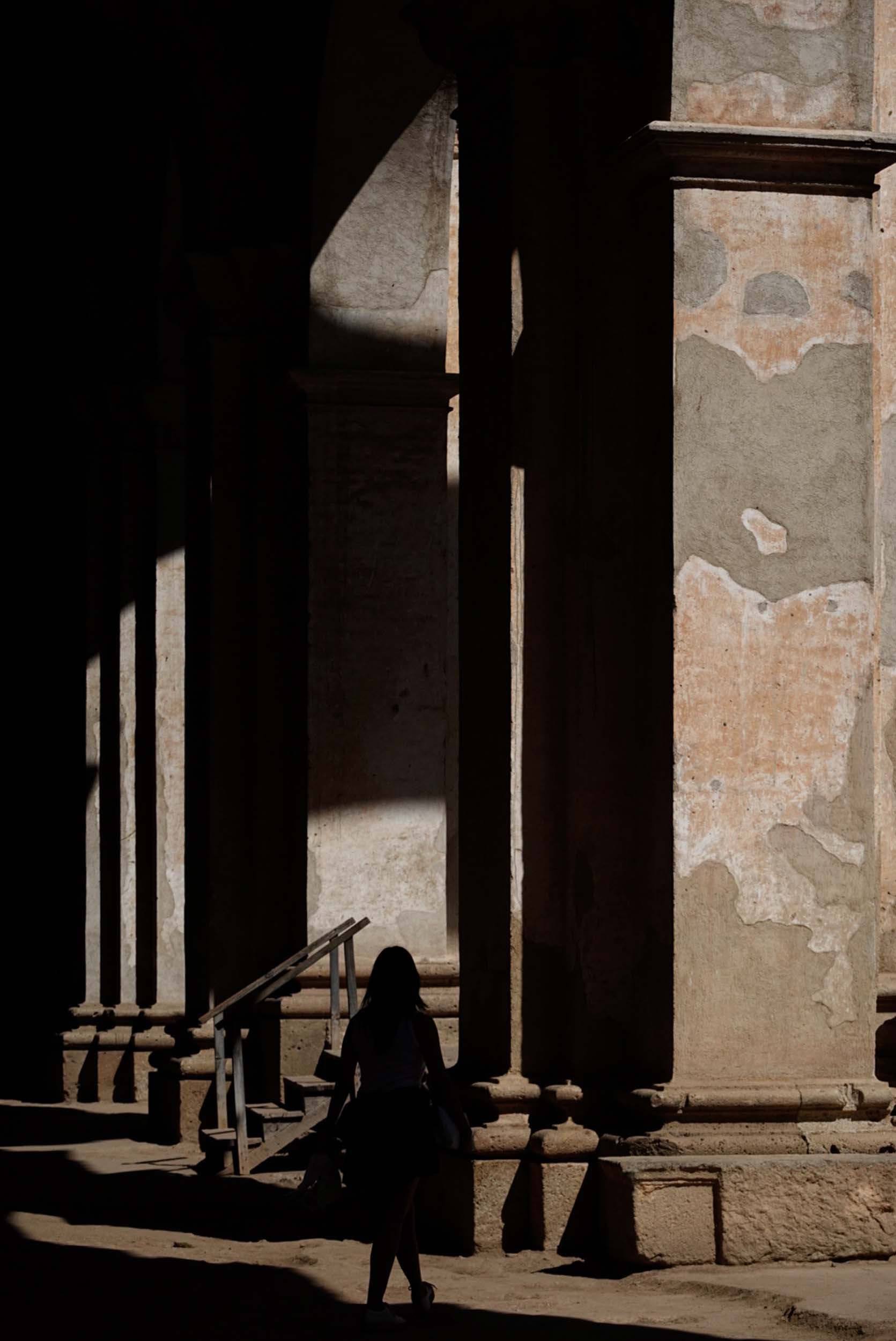
Antigua, Guatemala
Photography is a fabrication—a crafted interpretation of space—built through layers not of Photoshop but of meaning. The careful framing that amplifies a space’s expressiveness, the thoughtful selection of time and light that reveals its character, and the traces of human presence that enliven it are some of the elements that shape how we experience design through imagery. When these layers coalesce, the image transcends mere documentation, taking on a life of its own and etching itself into our collective memory.
Rory Gardiner
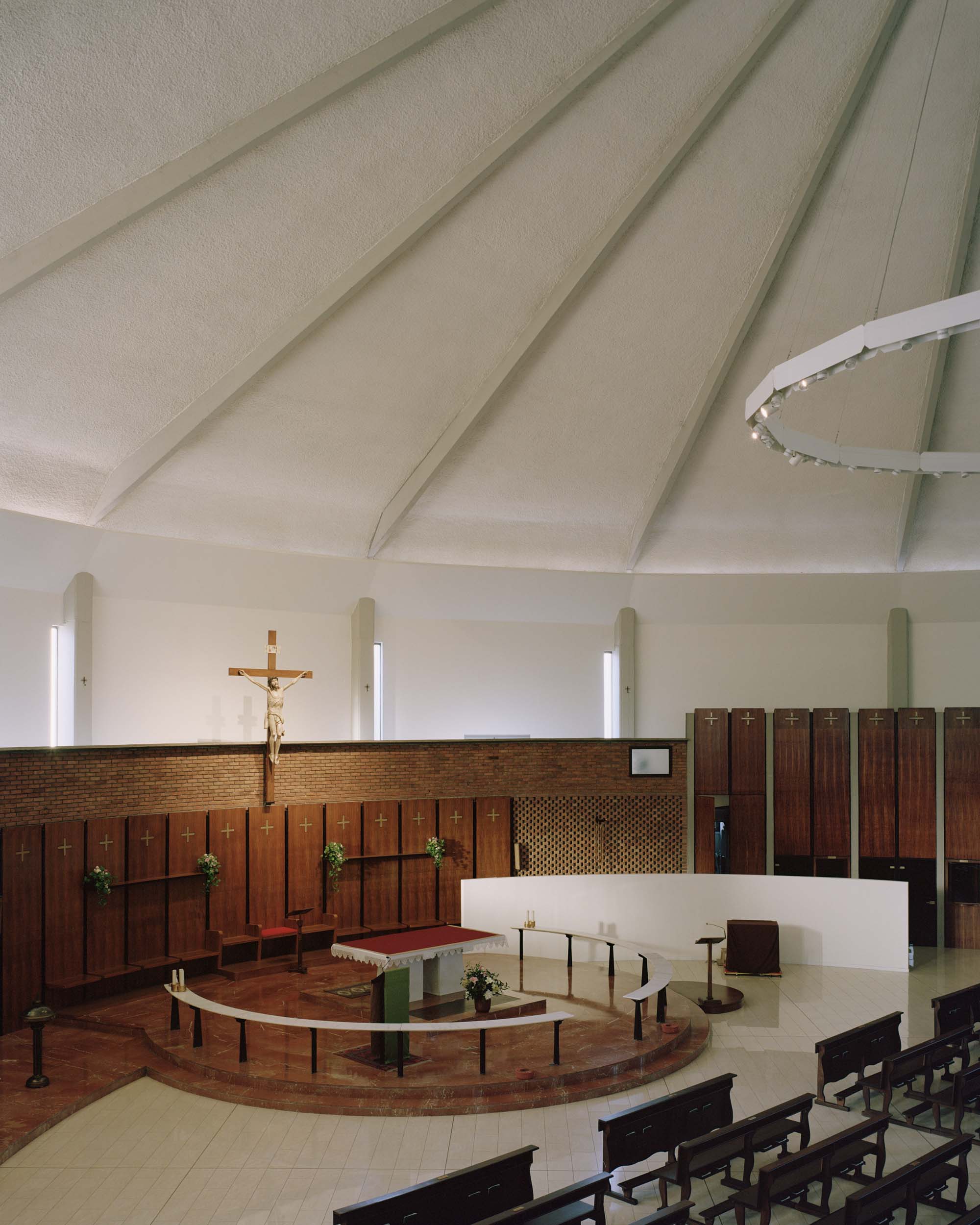
Milan
This is from the Church of Santa Maria Nascente in the Milanese suburb QT8, designed by Vico Magistretti and Mario Tedeschi in 1955. QT8 has a particularly interesting and rich history of Italian postwar design. I believe we need to expand our vision of temporality when making images of architecture and design. The past can tell us as much, if not more, than photographing the current state of things through an understanding of what came before but also how it exists now.
Benjamin Hosking
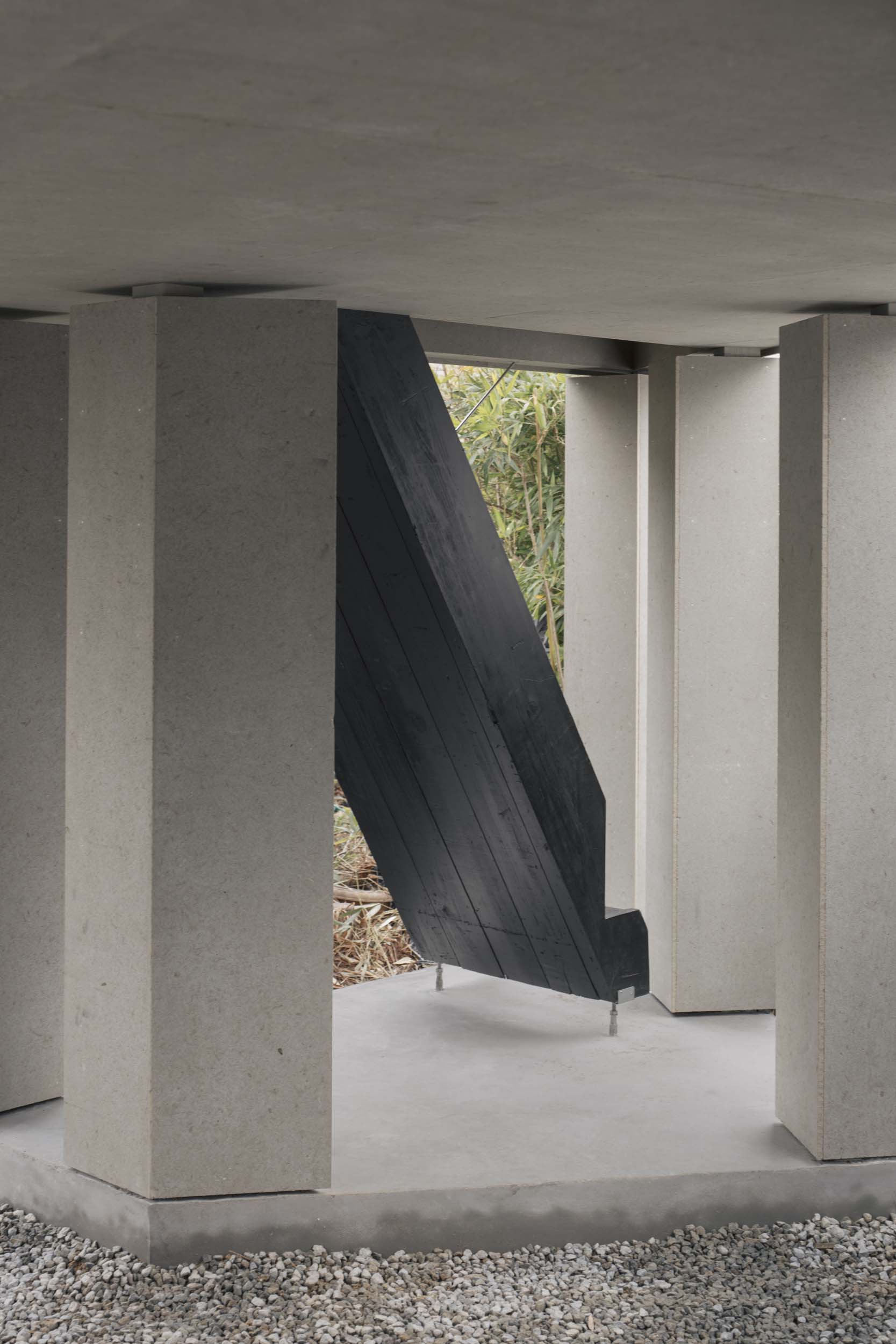
Kobe, Japan
The area surrounding the building in Shioya, Kobe is densely built along the foothills with limited open space and steep slopes. A small building, originally an English language school and residence from 1961, has been transformed into a community rest area and gallery. Situated at the corner of a residential neighborhood and surrounded by narrow, sloping roads, the site’s unique terroir and confined space directly influence the building’s design. Space was optimized, and construction techniques were adjusted to accommodate the site’s constraints.
Naho Kubota
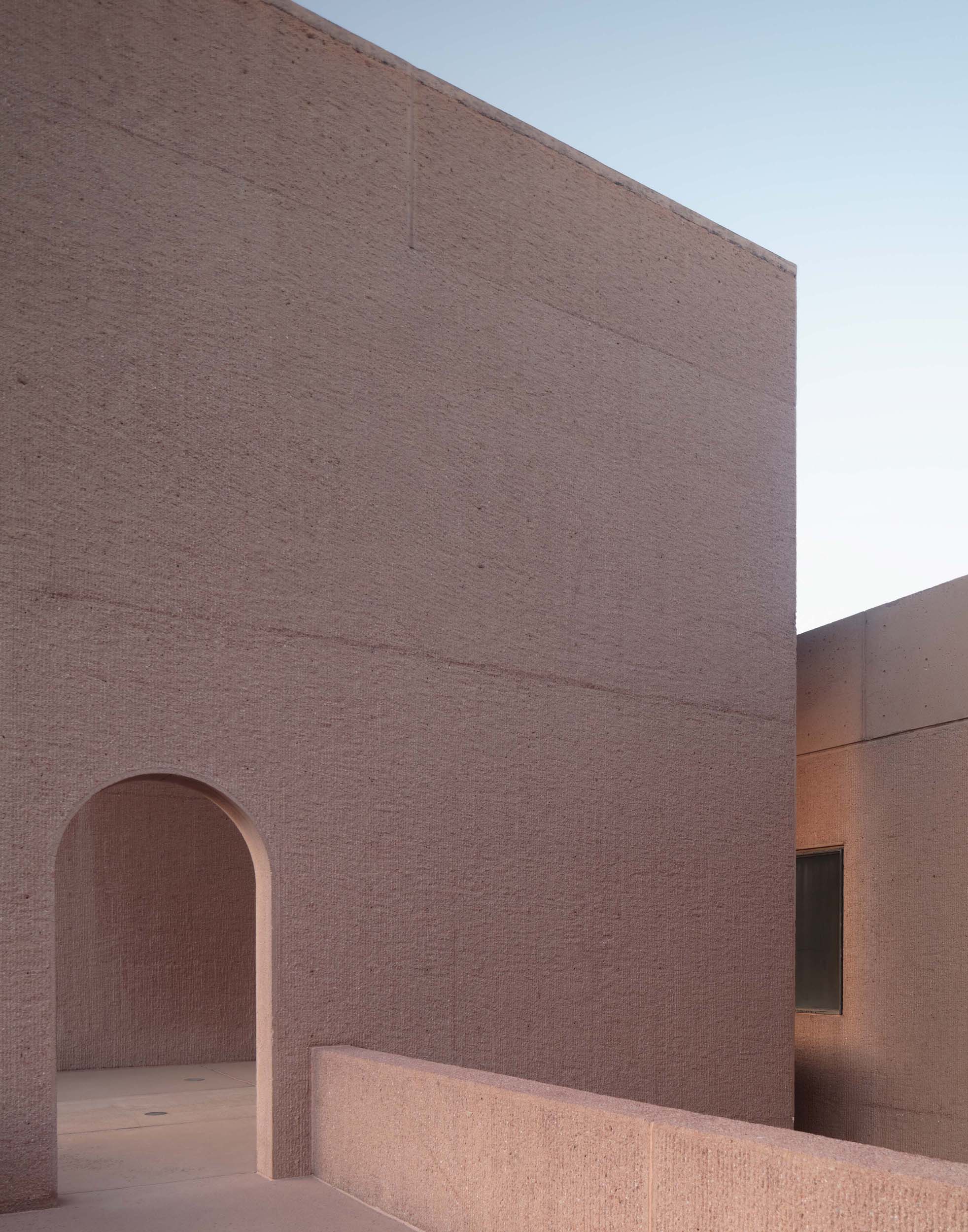
Boulder, Colorado
This image was taken at the National Center for Atmospheric Research (NCAR) in Boulder, Colorado, as outtakes during my documentation of I. M. Pei’s buildings for the Life is Architecture exhibition at the M+ Museum. Behind the iconic and widely recognized exterior lies a quiet, restrained interior. Within the space, abstract lines gently emerge throughout the design, accompanied by moments of unexpected yet refined color and playful objects.
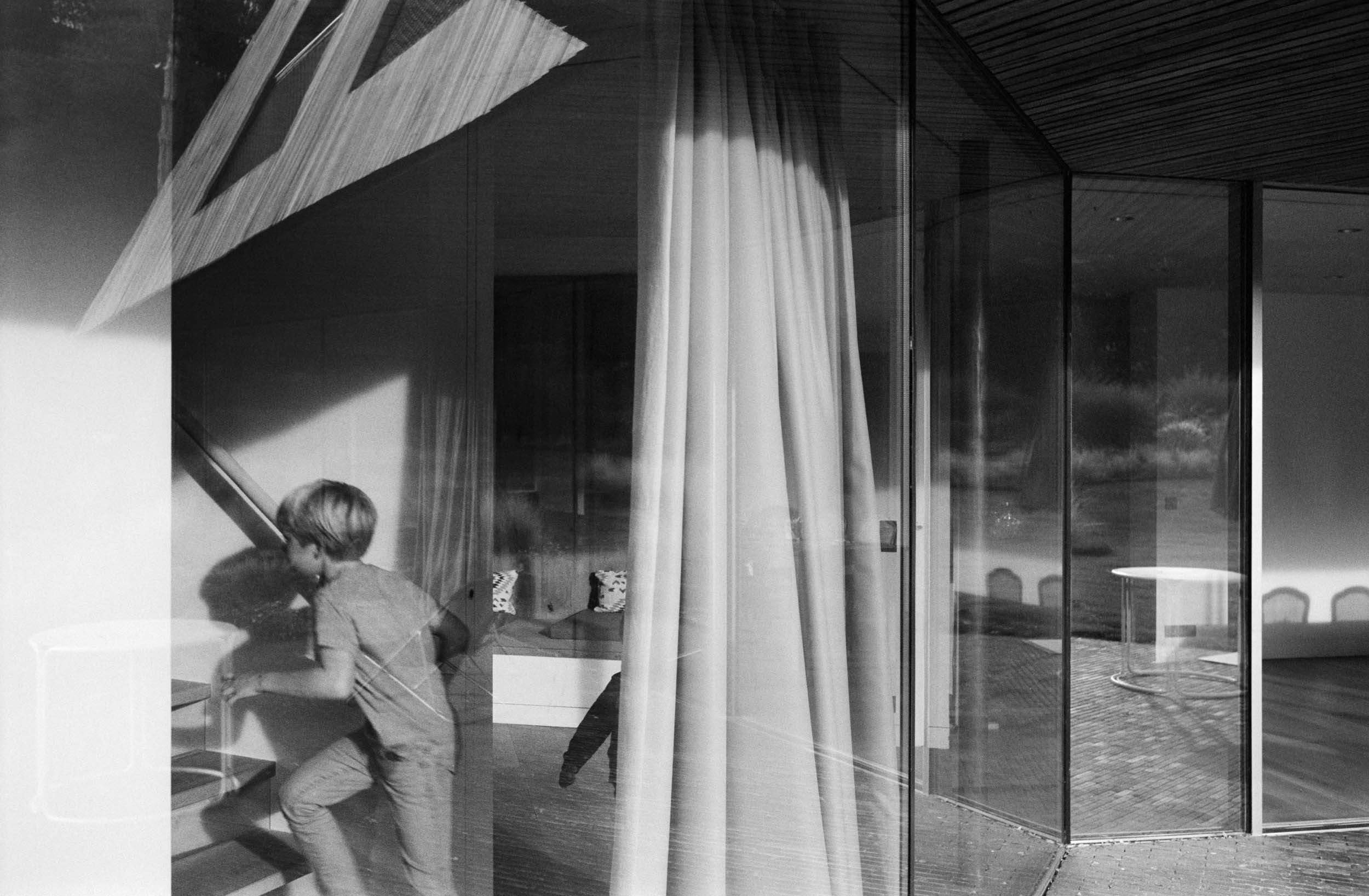
Julien Lanoo
Lille, France
Although the projects [we photograph] are very different, we feel that a common thread runs through them, offering an opportunity for reflection.
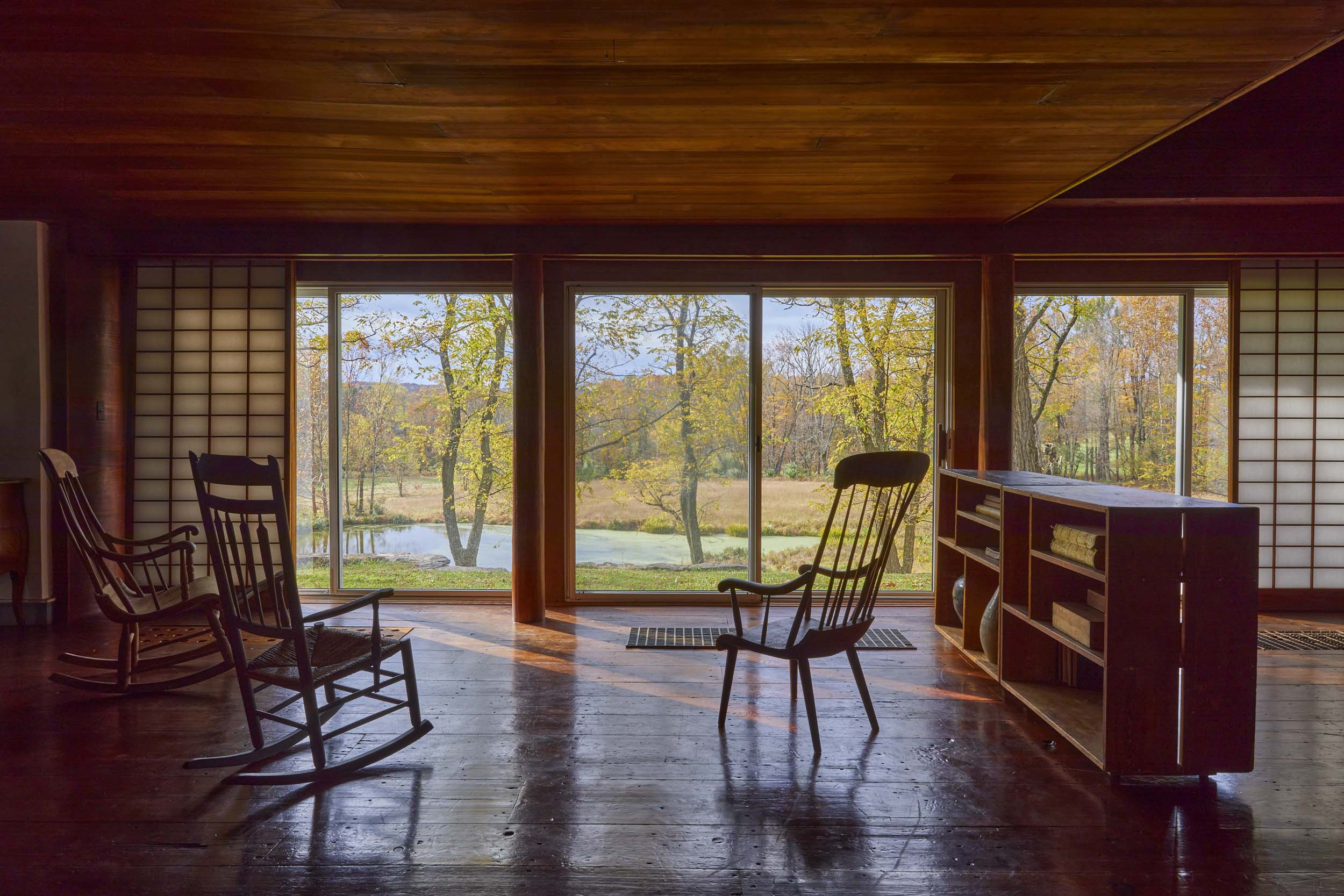
Yoshihiro Makino
New Hope, Pennsylvania
In this particular piece, I find it so special that Antonin Raymond and Noémi Raymond integrated their decades of experiences living and working in Japan into this 18th-century farmhouse in New Hope, Pennsylvania, where they also operated it as an artist residency by accepting international students during World War II.
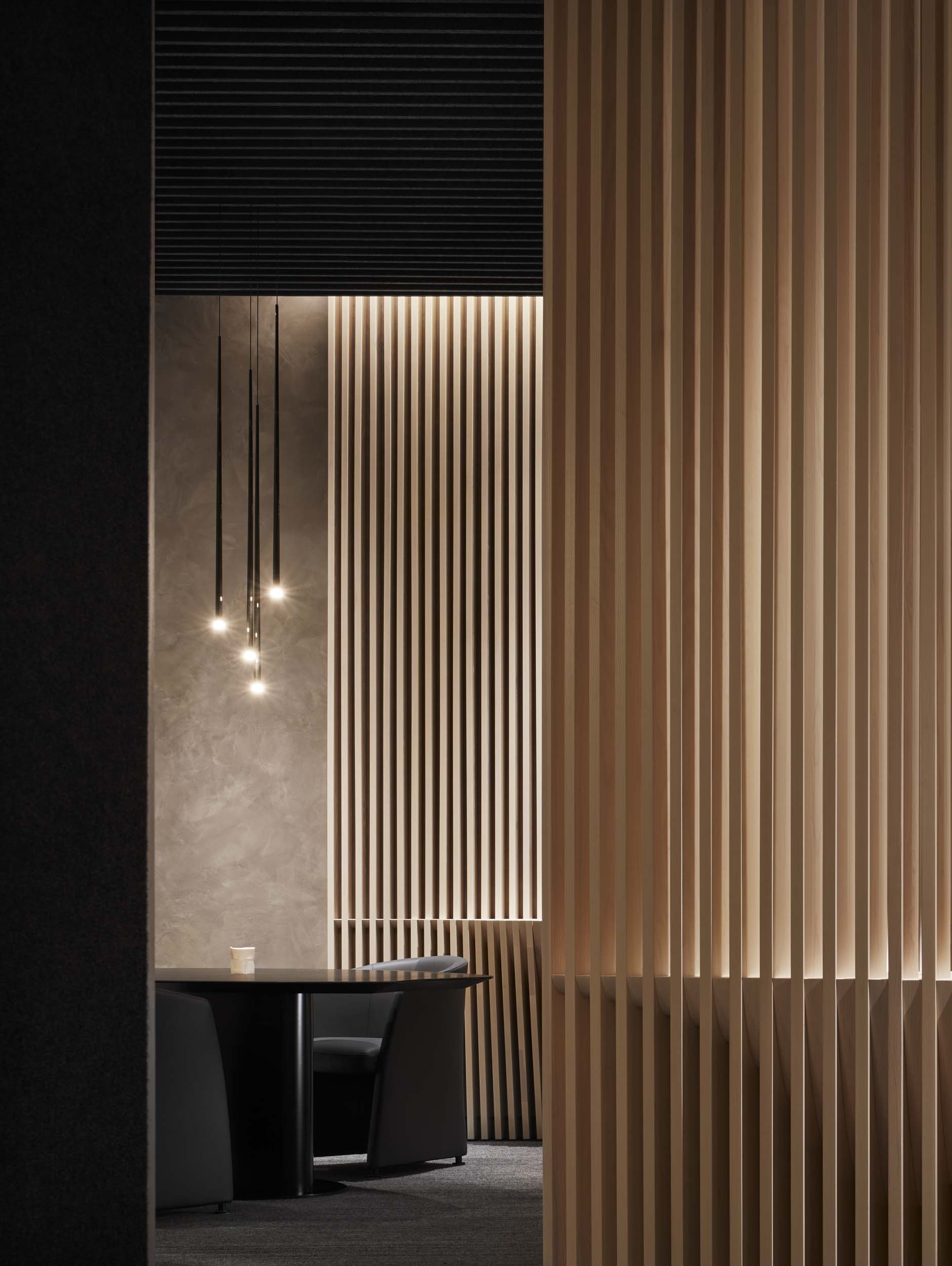
Kendall McCaugherty
Chicago
When I look at my images, I’m instantly transported back to the moment I captured them. Sometimes it’s visceral—I can recall the crispness of the air at dawn or the warmth of my coffee cup, but in this case, it’s the stillness of the restaurant that stands out. I was commissioned by Turf to capture their custom product installation for Ever, the second venture of Michelin star–rated chef Curtis Duffy. The staff was just starting to trickle in, the kitchen was quiet, no music… just us. It’s an intimate space filled with nuance, and this image just feels calm—like a deep breath before everything begins.
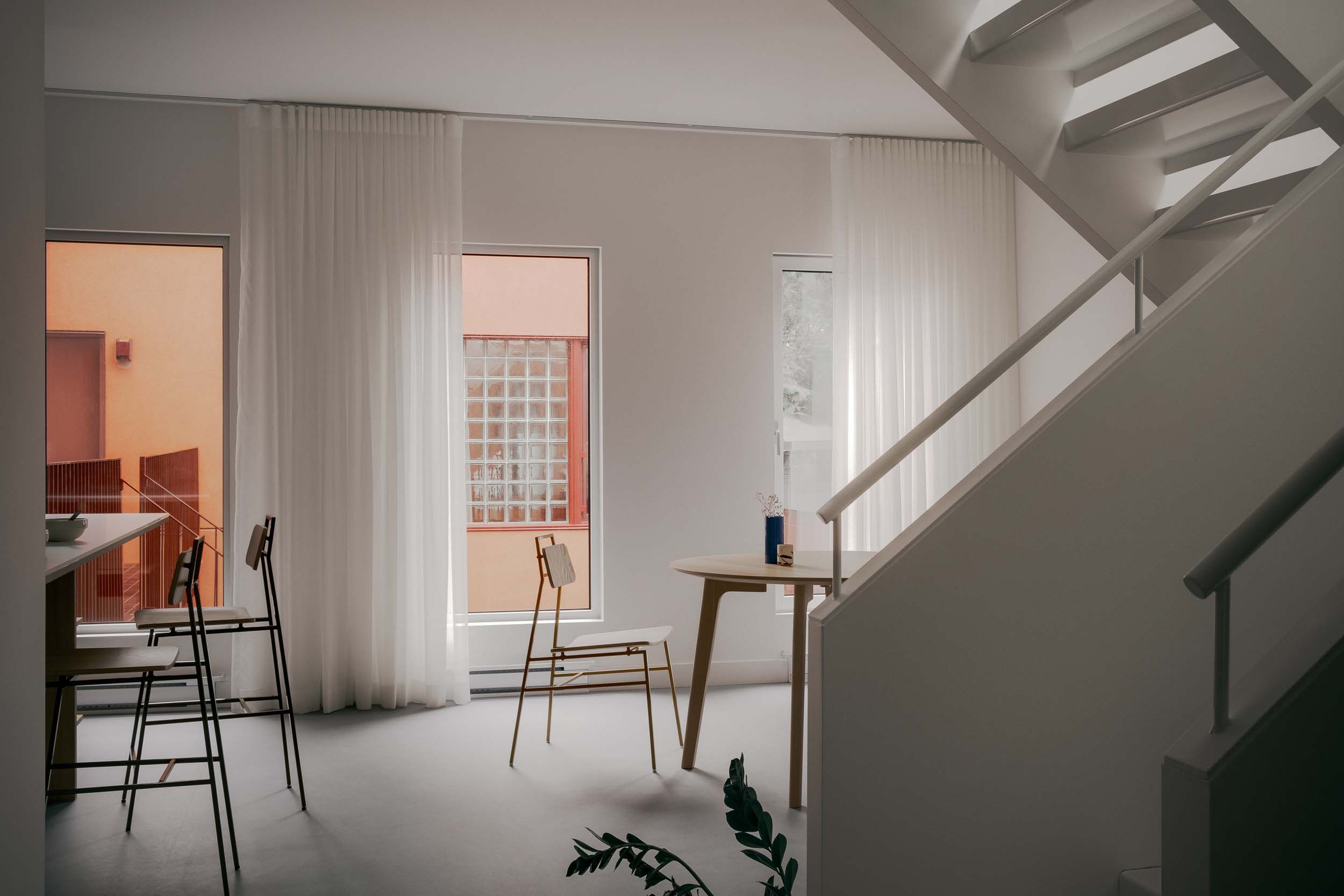
Félix Michaud
Montreal
The projects all share my creative vision in the sense that they’re recent and in tune with the way I wish to communicate spaces today. Without seeking to modify the space, I value a less direct way of looking at places, where the resulting images offer different interpretations to the viewer. Ideally, a few degrees of reading and different paths should be offered to the eye.
Ema Peter
Paris
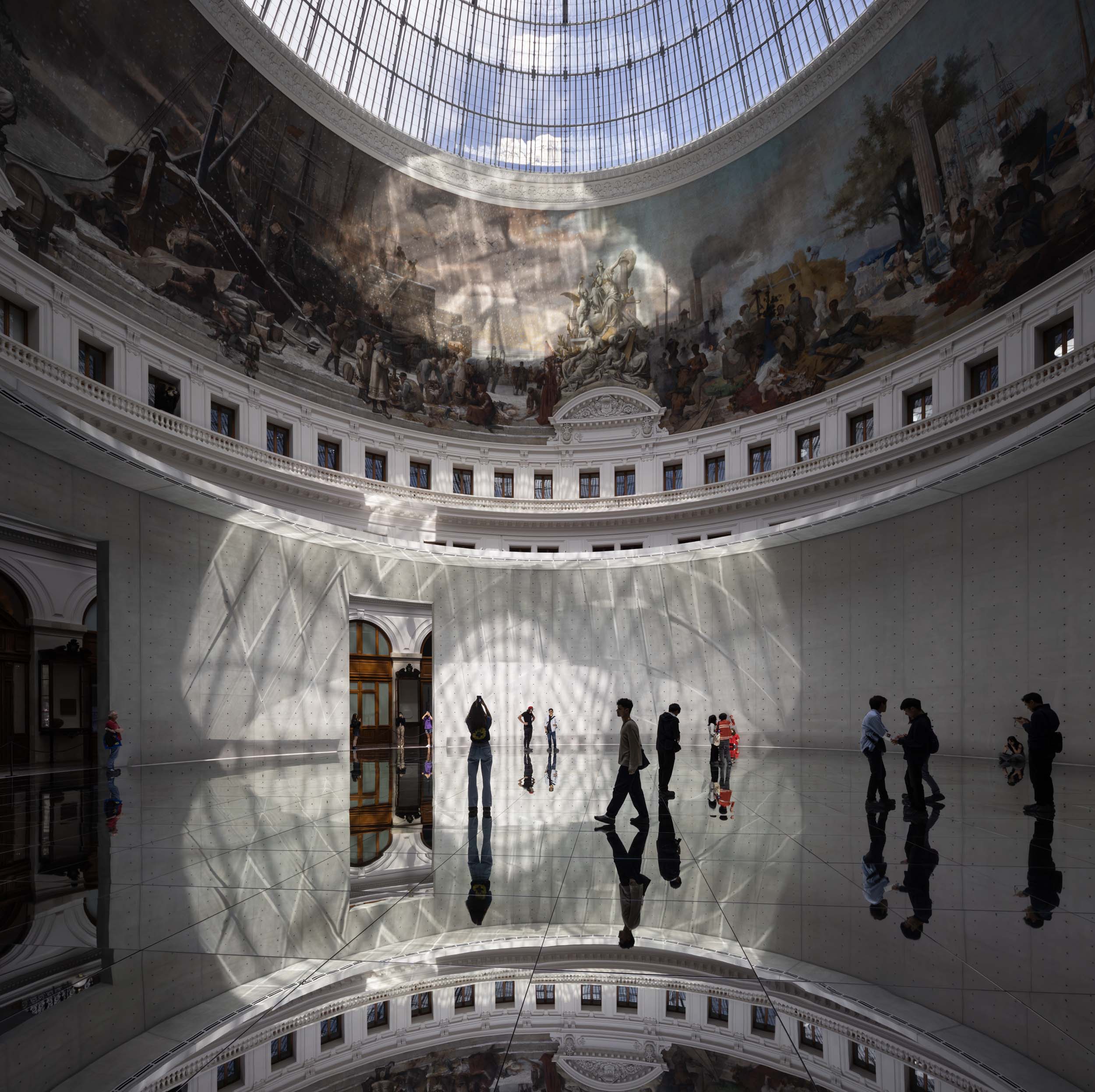
I think we need to pay attention to design that truly evokes emotion. There are spaces that are unexpected, spaces that show us glimpses of what the future looks like, or ones that can morph every time we enter them. A good example is the La Bourse de Commerce in Paris, renovated and restored by Tadao Ando. As a design, it is breathtaking and every time there is an exhibition, for me, this space transforms and you can experience it in different ways. Last year’s exhibition, by the incredible Kimsooja, truly showed me how you can view design in a different way. She transformed the rotunda by putting a mirrored installation on the floor. Entering the space, I felt everything in this moment, my perception and understanding of space changed. Having this inverted reality and watching how people reacted to, not only the reflection of the building but also to their own reflection, caught those moments in time, which has always been my goal.
Doublespace Photography
La Vall de Bianya, Spain
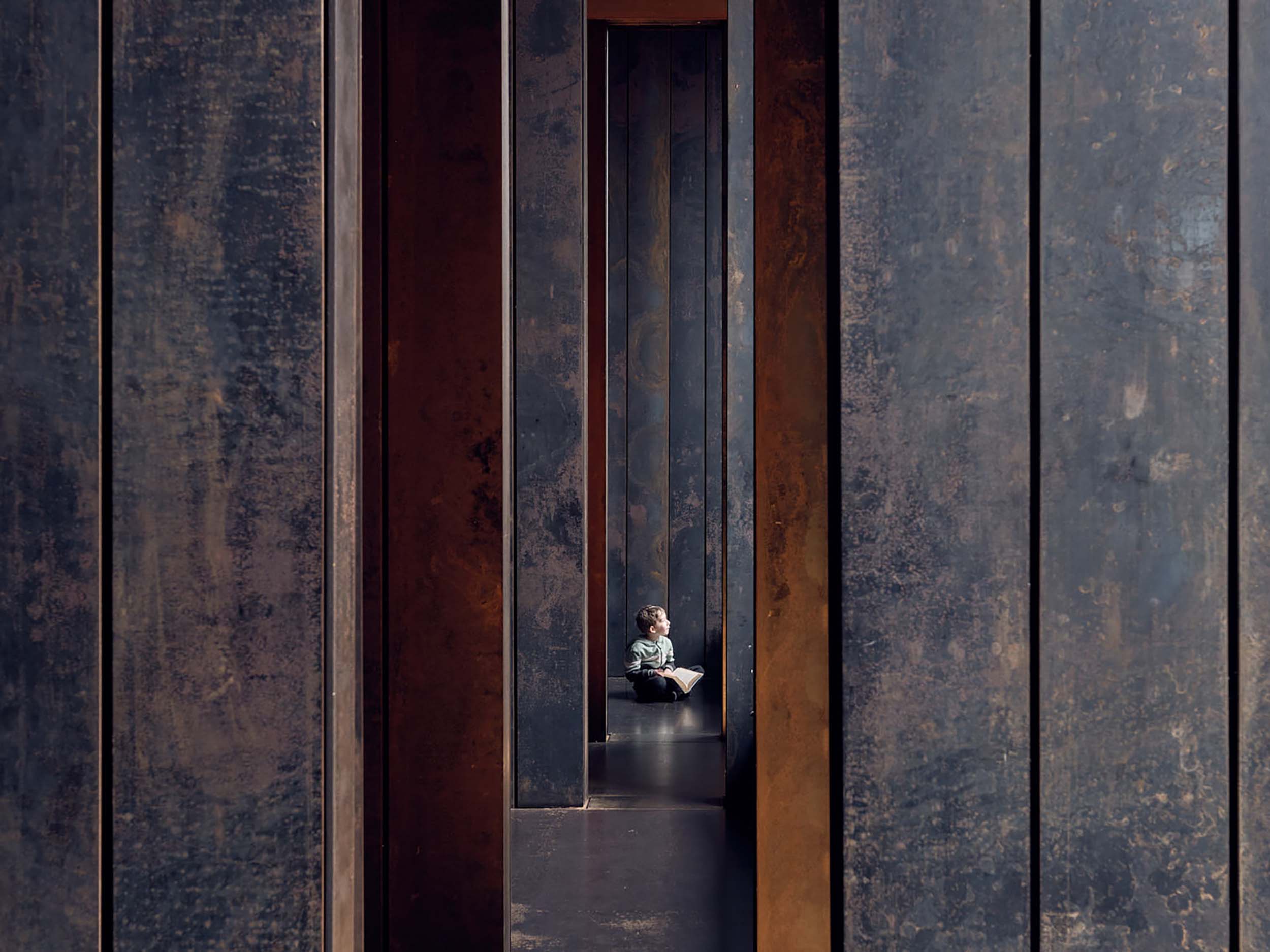
Rather than relying solely on wide-angle imagery that prioritizes description, we focus on revealing the unique, transformative qualities of architecture. Our approach highlights how light shapes a space, how materials interact, and how design creates atmosphere. The way light and shadow interact within a space is fundamental to how we experience a building.
Adam Rouse
Brooklyn, New York
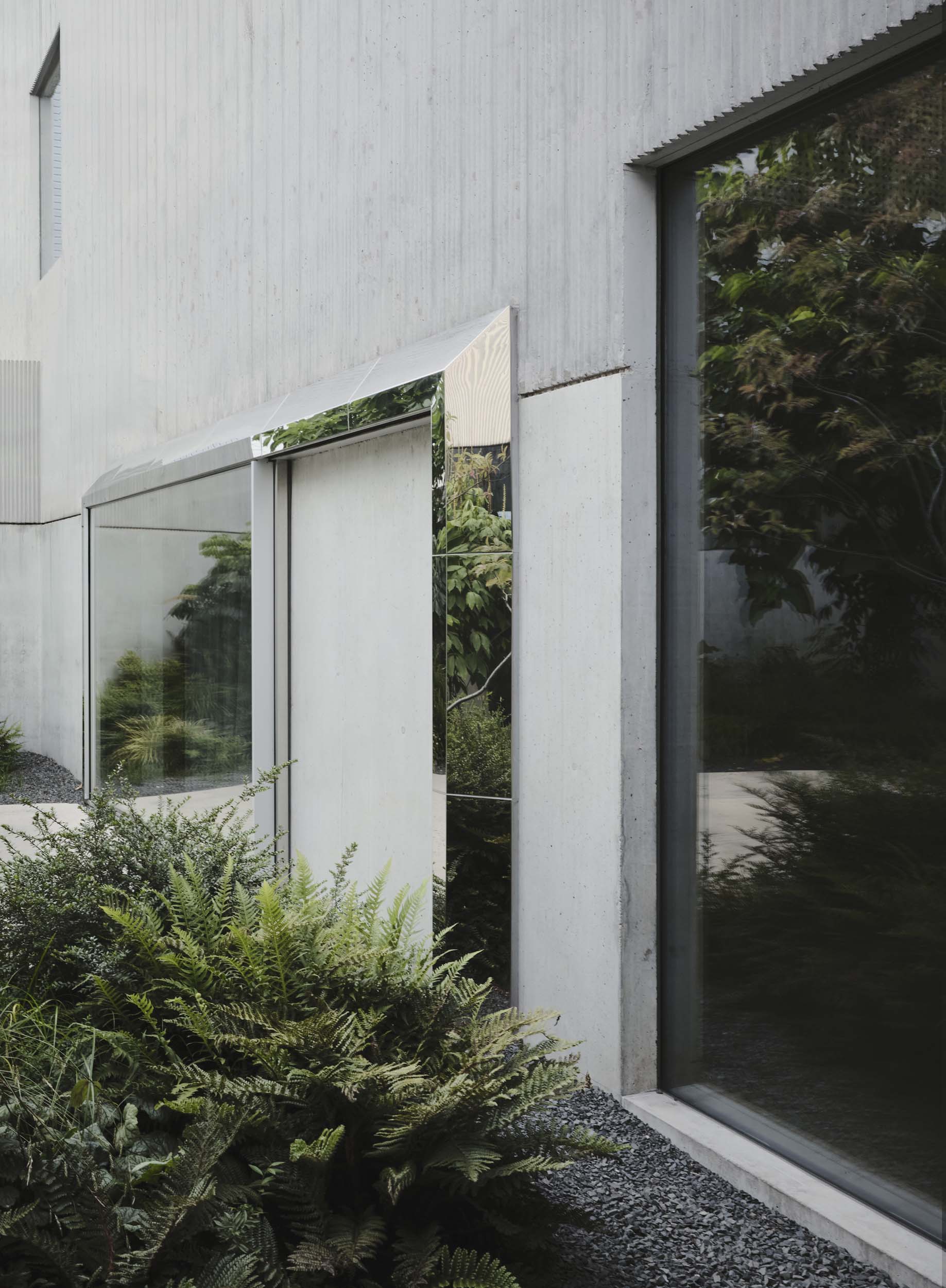
This is the Amant Gallery in Brooklyn by SO-IL, shot in the peak of summer of 2024 when the interior courtyard garden space of the Geza Block was in full verdancy. Perhaps a description of this would be blended perception—the mirror polished frame reflects the real garden landscape, yet appears like a slot portal into another garden, a perceptual doppelgänger. This experience was also specifically affected by the soft light afforded by the overcast day, muting the primacy of exterior space versus interior space into a feeling of coexistence. This brief experience has enlivened my interest in exploring the photographic realization of blended space, interior/exterior–exterior/interior, beginning with physical space in the hopes of uncovering perceptual and cognitive space in turn.

Randhir Singh
Mumbai, India
The house was designed by Riyaz Tayyabji, for his mother, and it was more than a decade old by the time I visited. It is situated along a beach just outside Mumbai and acts as a sort of liminal space mediating between the beach on one side and forests on the other. The living space seems to flow, as if caught in an eddy, swirling around yet somehow feeling very calm. I wanted the photographs to feel like the age of the house. So few photographs of interior spaces, or architecture for that matter, reflect this “lived-in” quality.
Ishita Sitwala
Mumbai, India
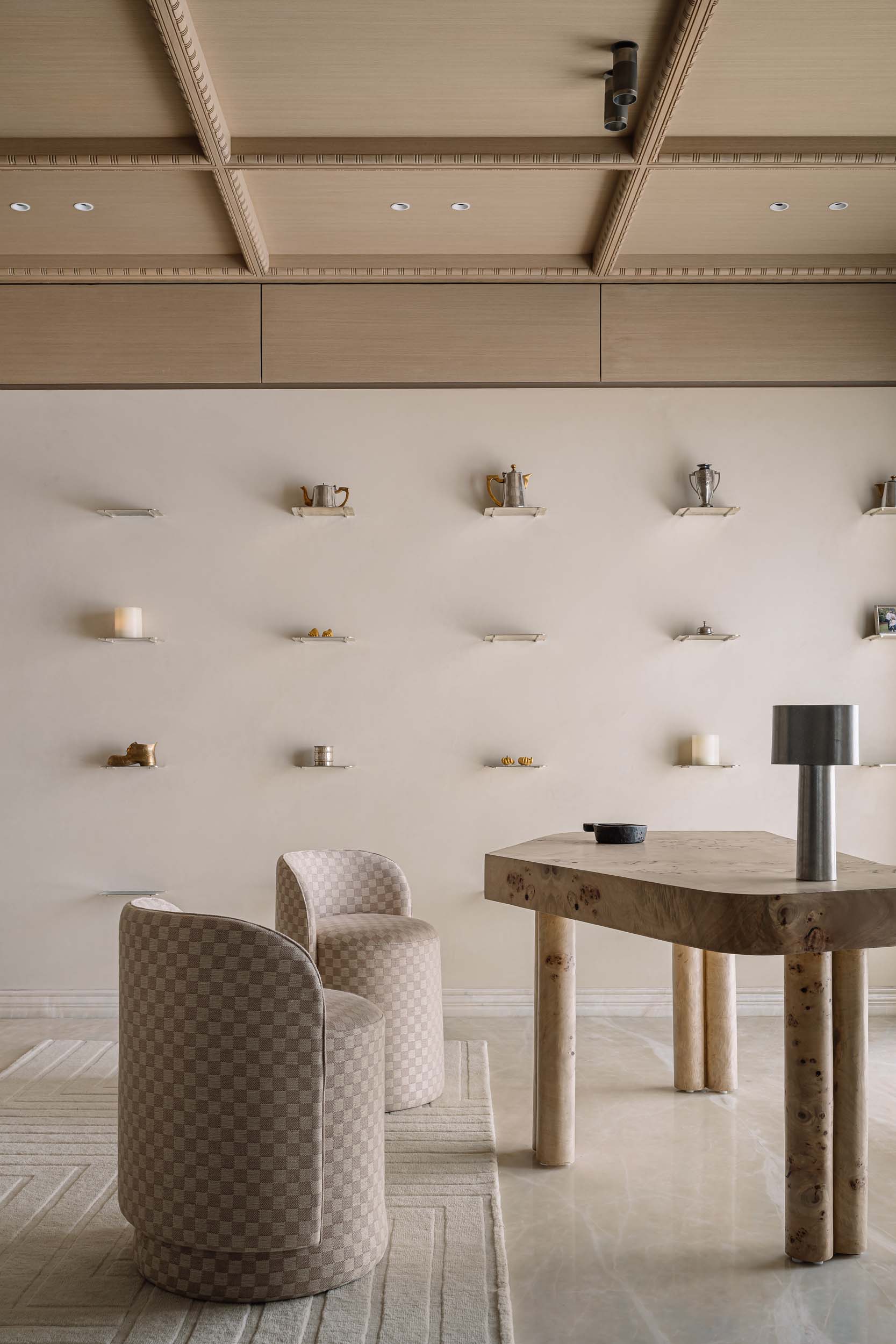
This is from a private residence in Mumbai, India designed by Purple Backyard. Beige, and nudes, and neutral veneers with hints of silver make for very soothing spaces and timeless designs.
Edmund Sumner
Osaka, Japan
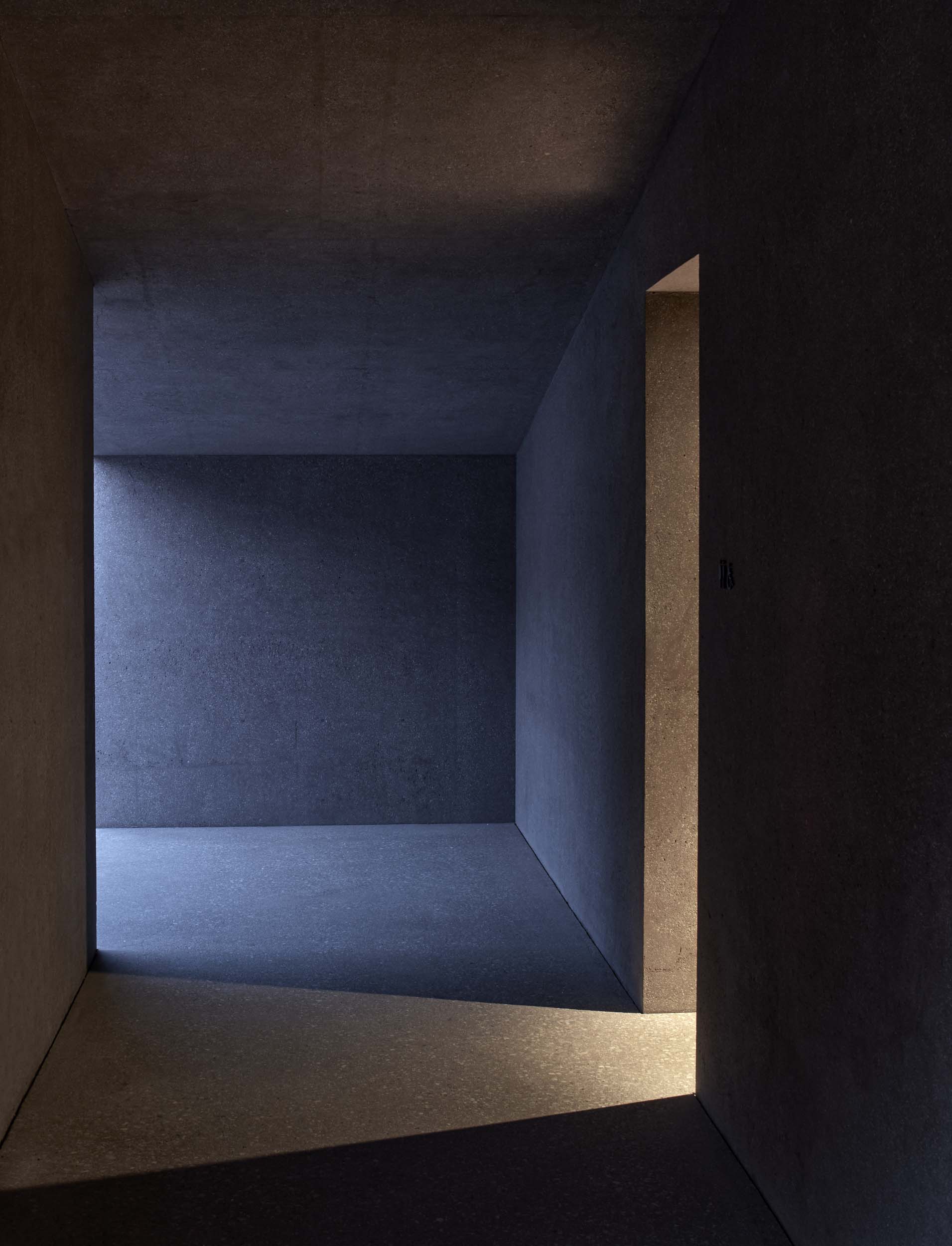
Commissioned by David Chipperfield Architects in 2018 to photograph a cemetery near Osaka, Japan, I was presented with a rare opportunity: an open brief. No prescribed angles, no rigid agenda—just the space, the light, and my lens.
I arrived on site with no agenda other than to spend the first day walking. Observing. Feeling. This act of slowing down has become something of a ritual for me. Some buildings simply carry something—an energy, a presence. It’s intangible, invisible, and yet completely undeniable. The Inagawa Cemetery was one of those places. Instead of being unnerved by the emotional weight of photographing a cemetery, I chose to lean in. To allow the atmosphere—haunting yet serene—to guide my visual response.
Lara Swimmer
Eugene, Oregon
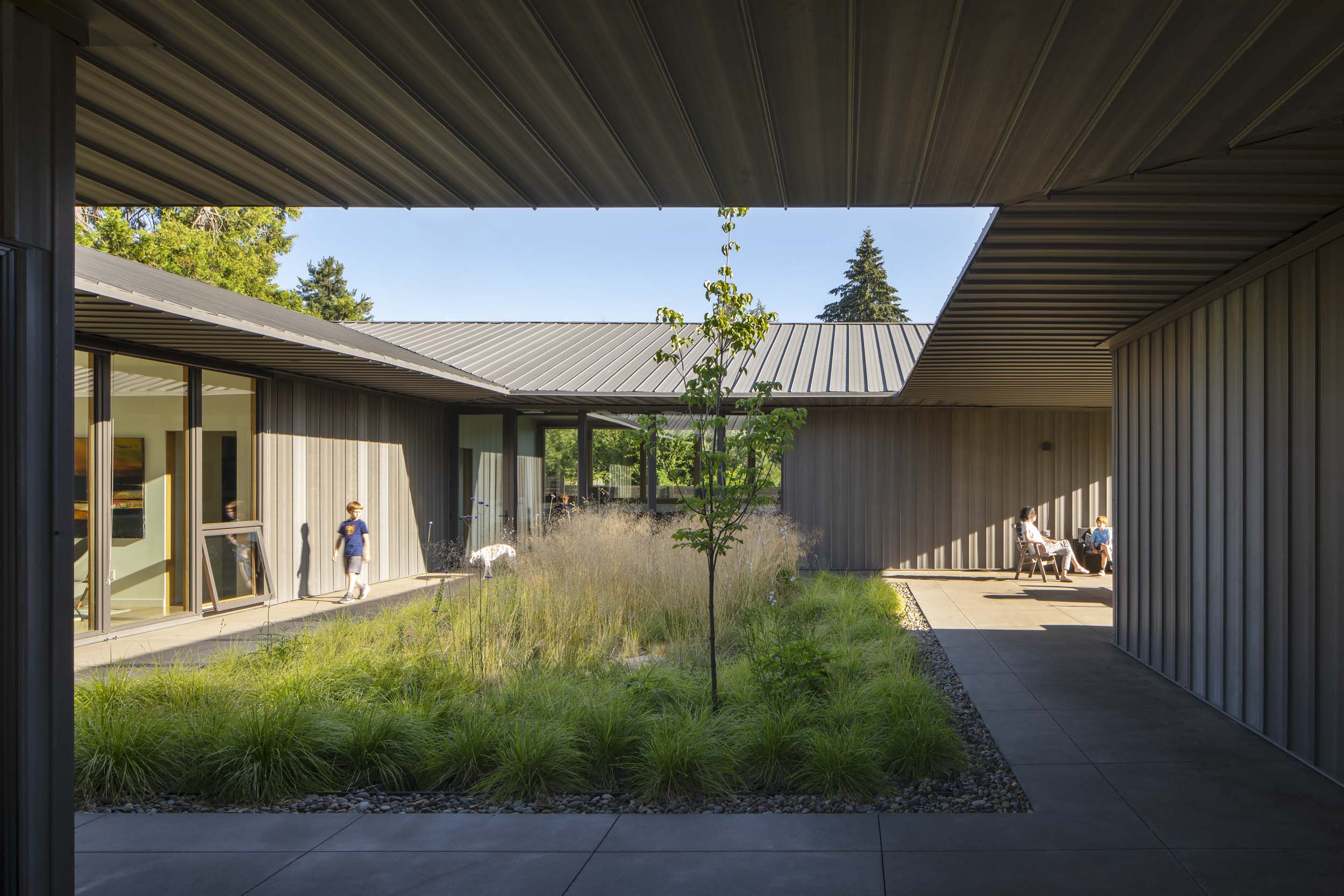
This is Meadow House by Waechter Architecture. The inner courtyard, a symmetrical space broken by openings in the sky to one side and views from inside the square house peering out, presents a tranquility in its order, as well as in the lush green space at its center. I was transfixed.
Nicholas Venezia
Deep River, Connecticut
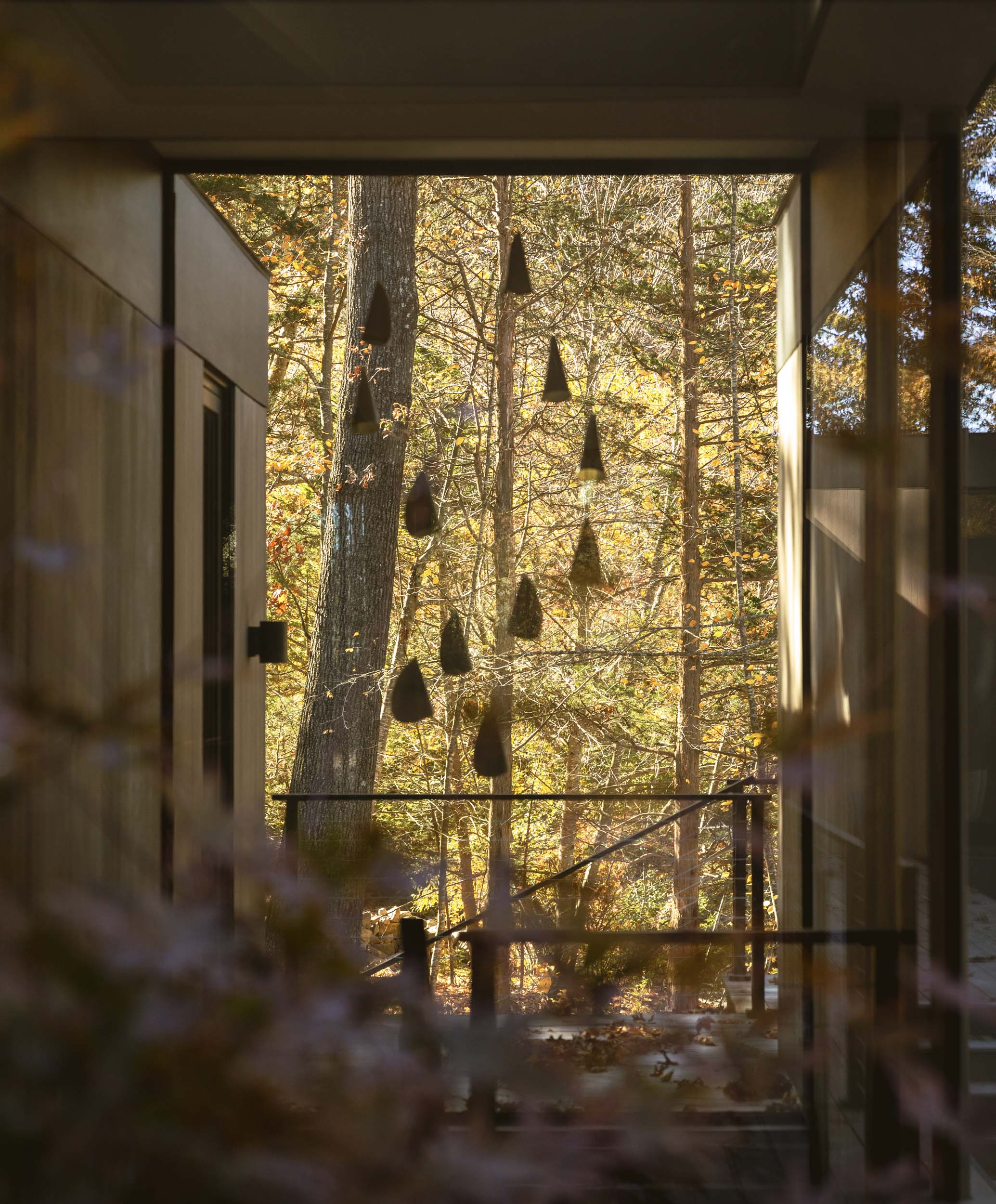
If there is one constant creative vision throughout my work, it’s that I want to deepen my relationship with my clients. The better I know them—what they feel in their projects, what they went through to accomplish their intentions, where they fell short and what their ambitions are for their next project—the better the results of our collaboration. In a world in which our media consumption seems to be getting more superficial by the day, I want to find beauty in the context of a larger picture. And as a viewer of design myself, I need to look deeper than the photograph, to resist the urge to walk through every space looking for the best photograph, like that’s the reason for its existence. I need to look closer, to read and learn more about what I’m looking at, to slow down and ask more questions about it, to have conversations with other designers, writers and storytellers about it. Pretty photographs are important, but they are just the tip of the iceberg.