
A clothing store in New York houses the first-ever exhibition dedicated to the furniture design and interiors of Skidmore, Owings & Merrill (SOM), which is celebrating its 90th anniversary this year. Furniture by SOM: Design 1950–1991 collects around 50 pieces of the firm’s mostly bespoke furniture and over 100 archival artifacts. Rarify, a design-led marketplace and platform founded by architects Jeremy Bilotti and David Rosenwasser, mounted the exhibition, with Rosenwasser serving as its curator. The duo spent a decade collecting and researching the pieces, often buying them via websites like eBay and Facebook Marketplace. Set within the LuisaViaRoma store, the exhibition sheds light on the firm’s overlooked impact on shaping corporate interiors.
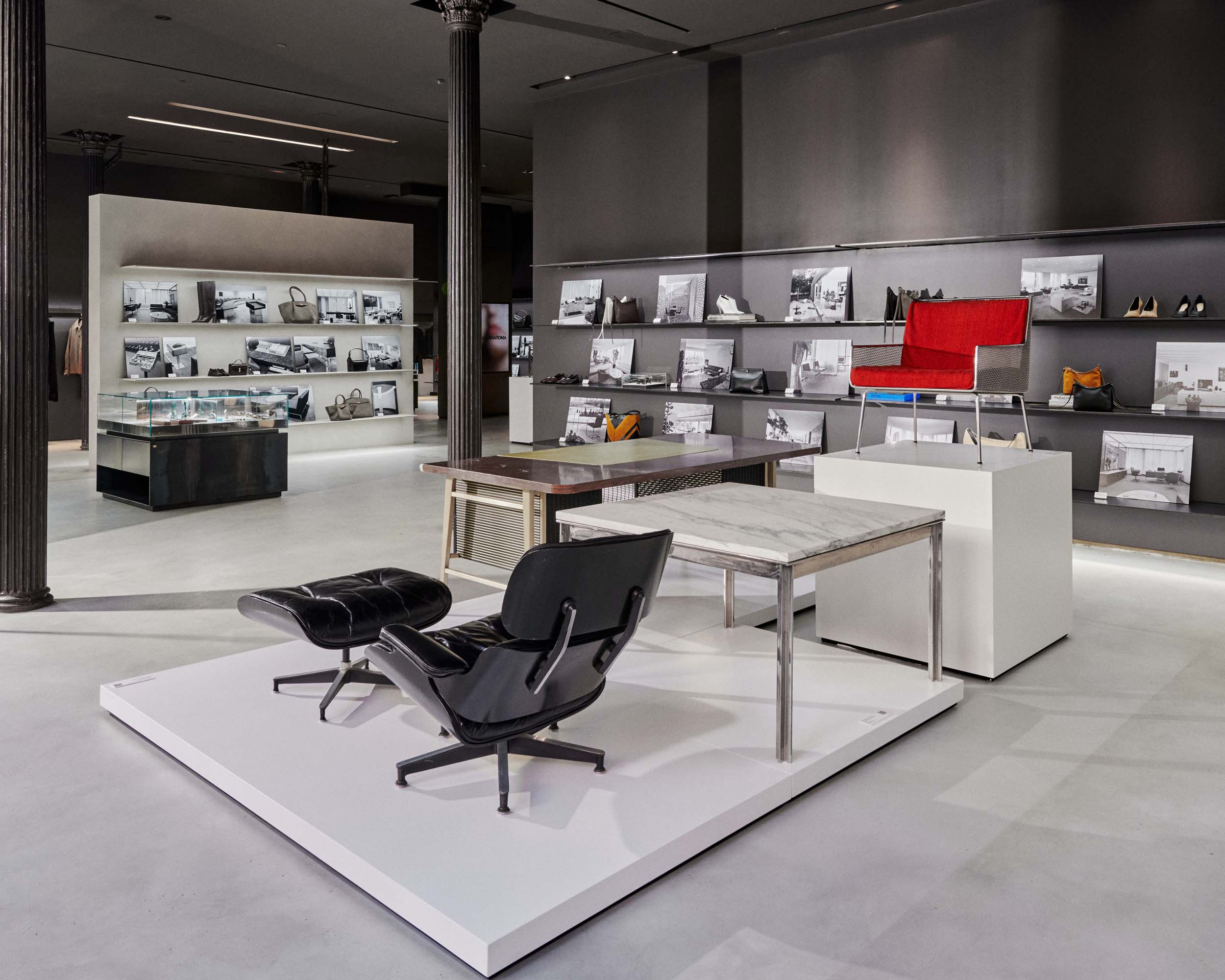
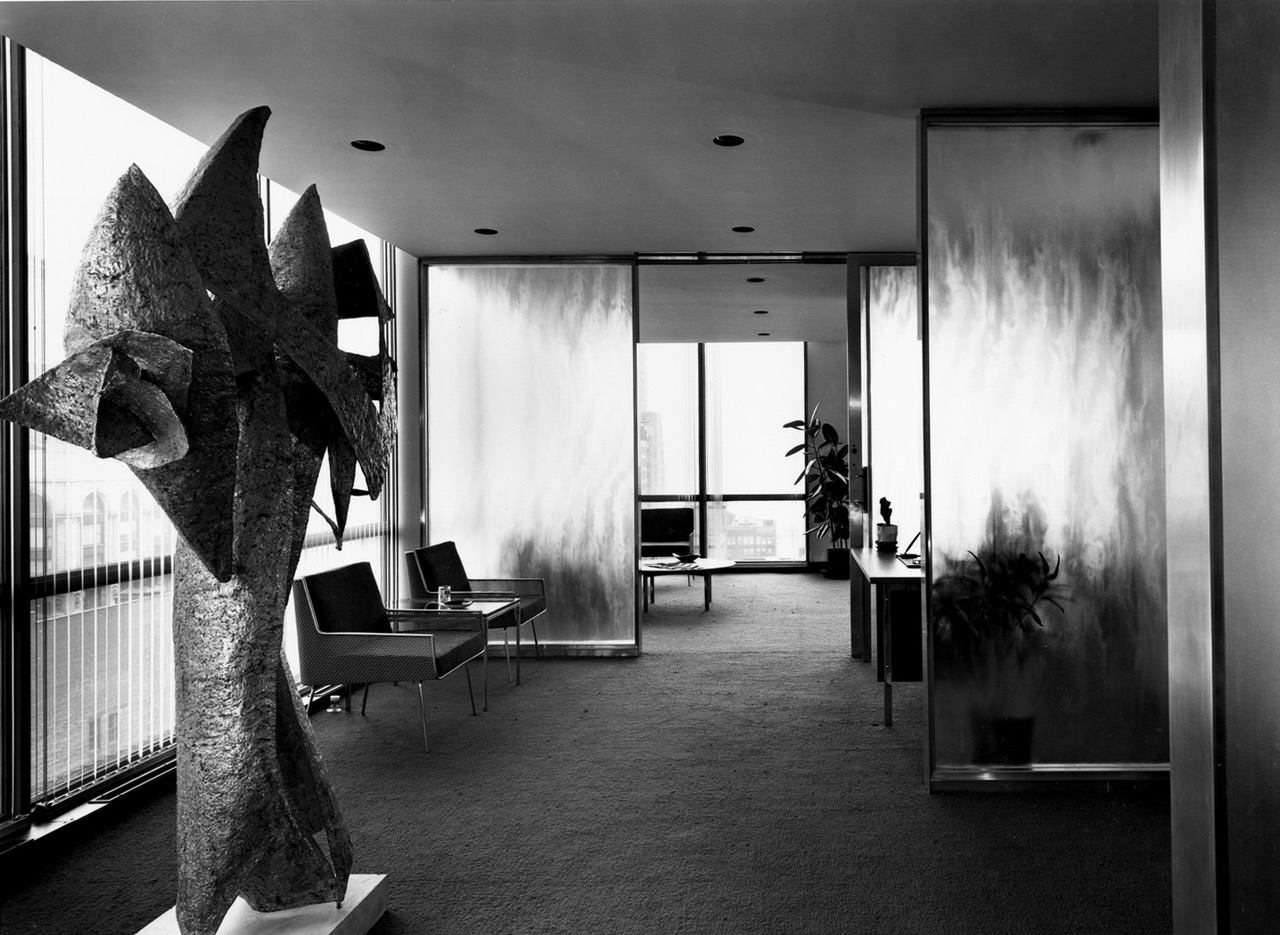
On view until April 30, this comprehensive collection charts the evolution of SOM’s material language, through hand-polished stainless-steel frames, glass and stone surfaces, walnut and teak for managerial spaces, and rosewood and exotic burls used in executive environments. This includes actual pieces designed for and installed within the Inland Steel Company, Hirschhorn Museum, and World Bank Headquarters, among other projects. The furniture is contextualized through original black-and-white architectural photography by Ezra Stoller, which is printed and on view throughout the store.
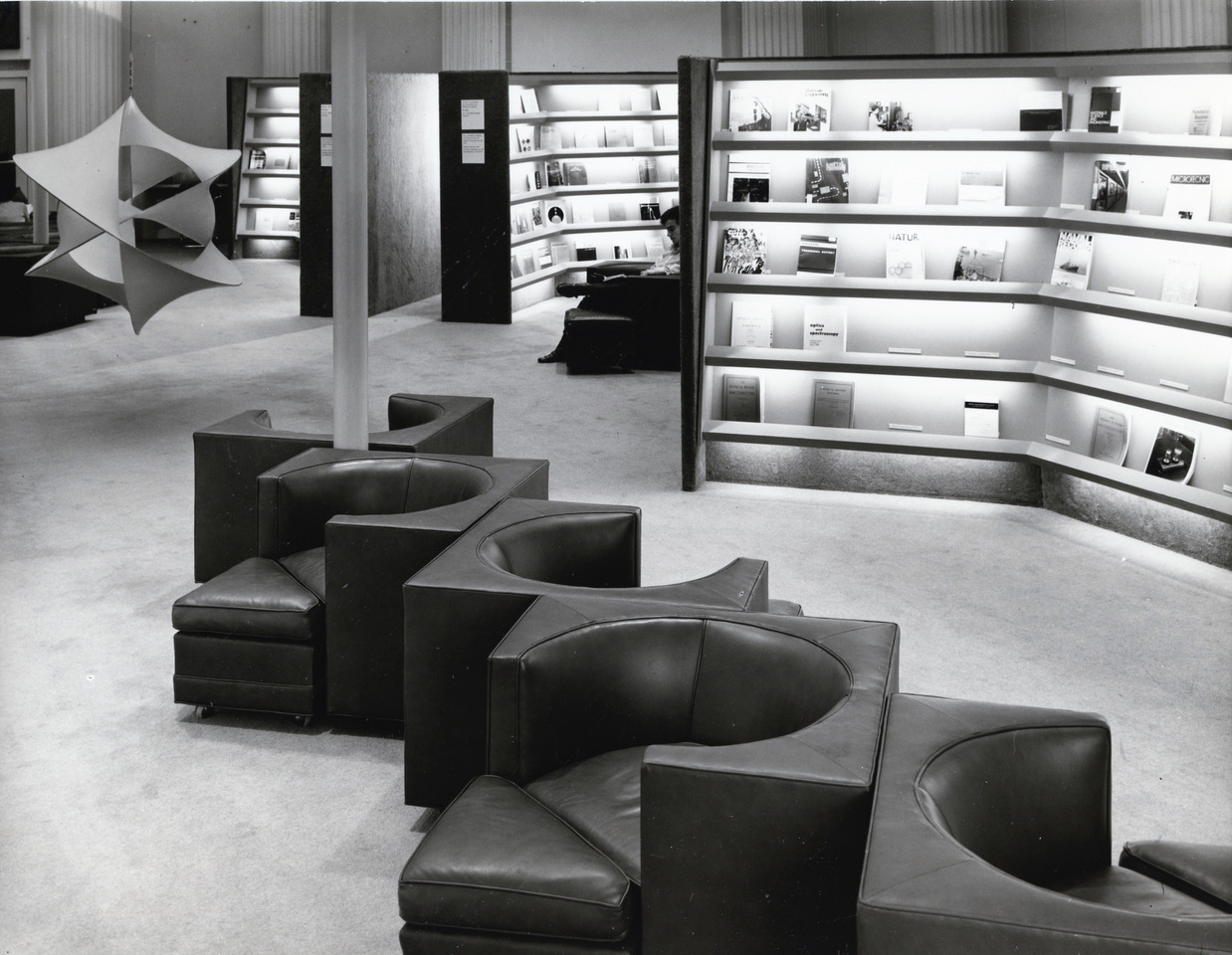
The four decades of work begin with the Manufacturers Hanover Trust Company from the early 1950s and continues through to the Chase Manhattan Bank, collecting a total vision of corporate craft and chic under Gordon Bunshaft and interior designer Davis Allen. Other designers include Lydia DePolo, Alexis Yermakov, Charles Pfister, Carol Groh, Raul De Armas, and Nicos Zographos.
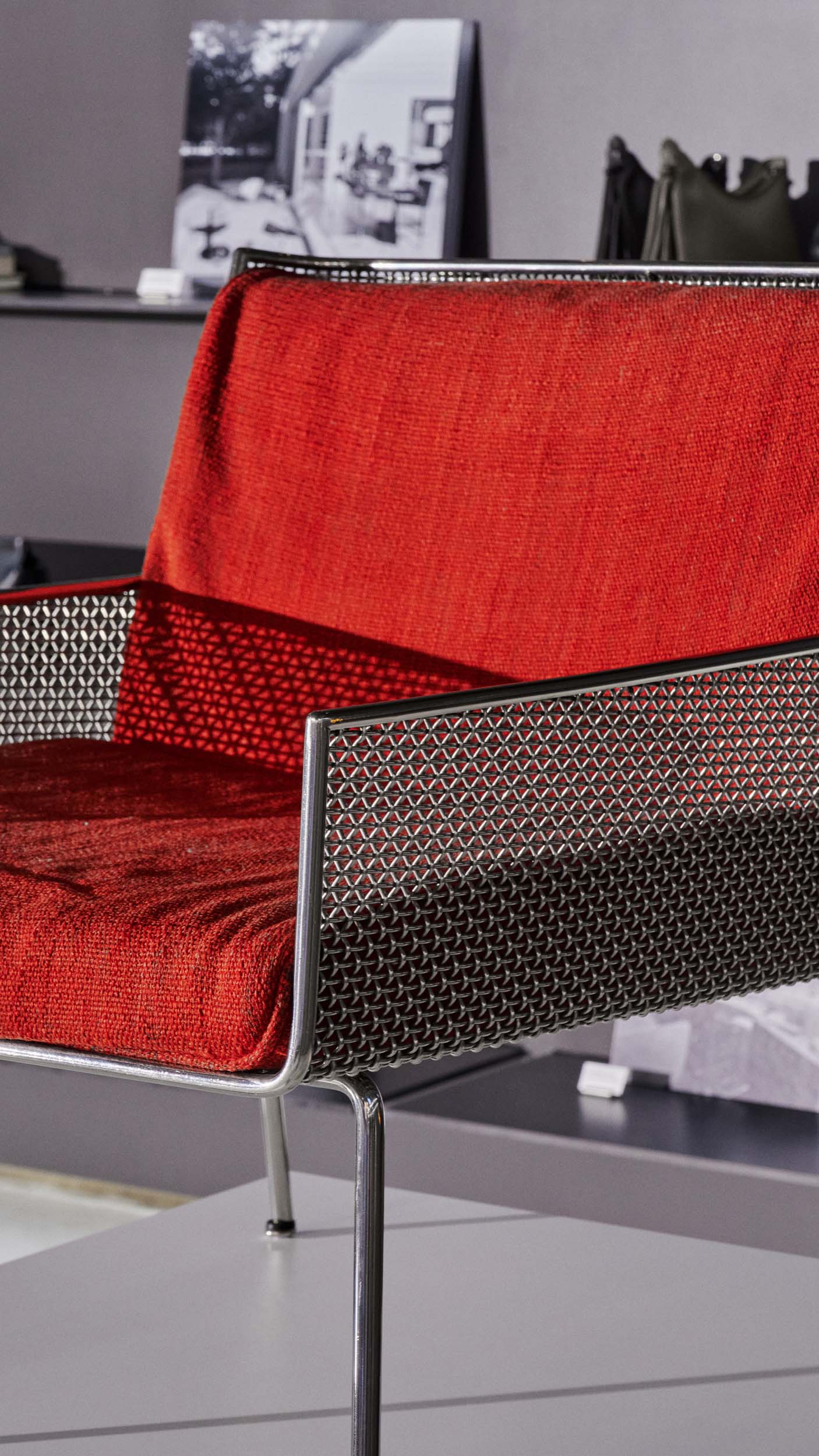
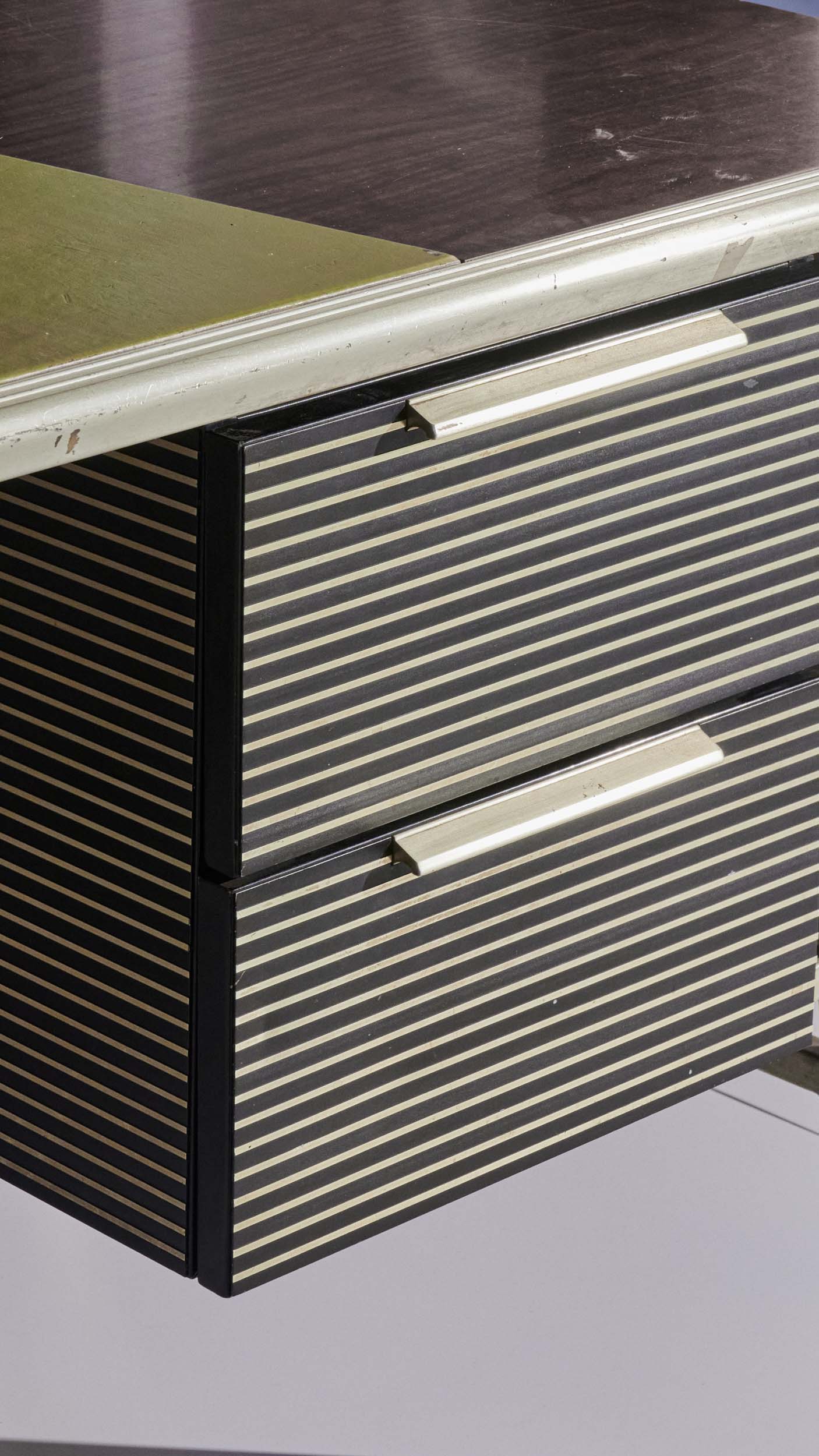
The pieces, many of which were made for site-specific projects, were often fabricated by hand and not mass produced, which makes them hard to find and rare to see, especially as a unified collection. Select works are now available for acquisition on Rarify.
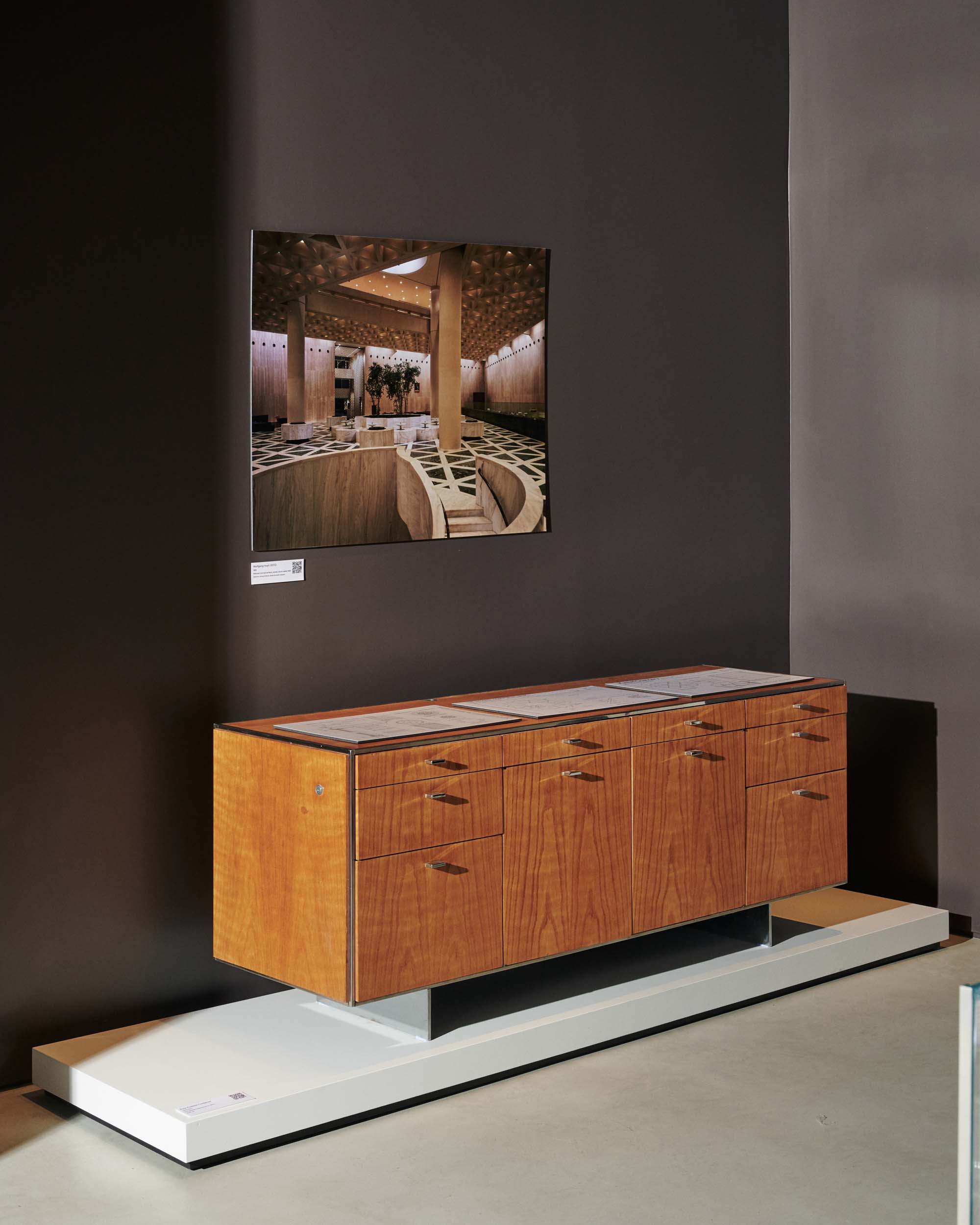
The designers’ interest in steel is apparent here in pieces like an oak credenza framed in steel for General Fireproofing Co in the 1970s; the tubular Halston Armchair designed by Charles Pfister for the Metropolitan Furniture Company in 1979; and the Davis Allen Lounge Chair, one of the rarest and most cherished pieces in the collection. The chair, designed for the Inland Steel building in Chicago, comprises three sheets of steel mesh, stitched together on its underside to look like one continuous piece. It’s believed that there are as few as eight ever produced.
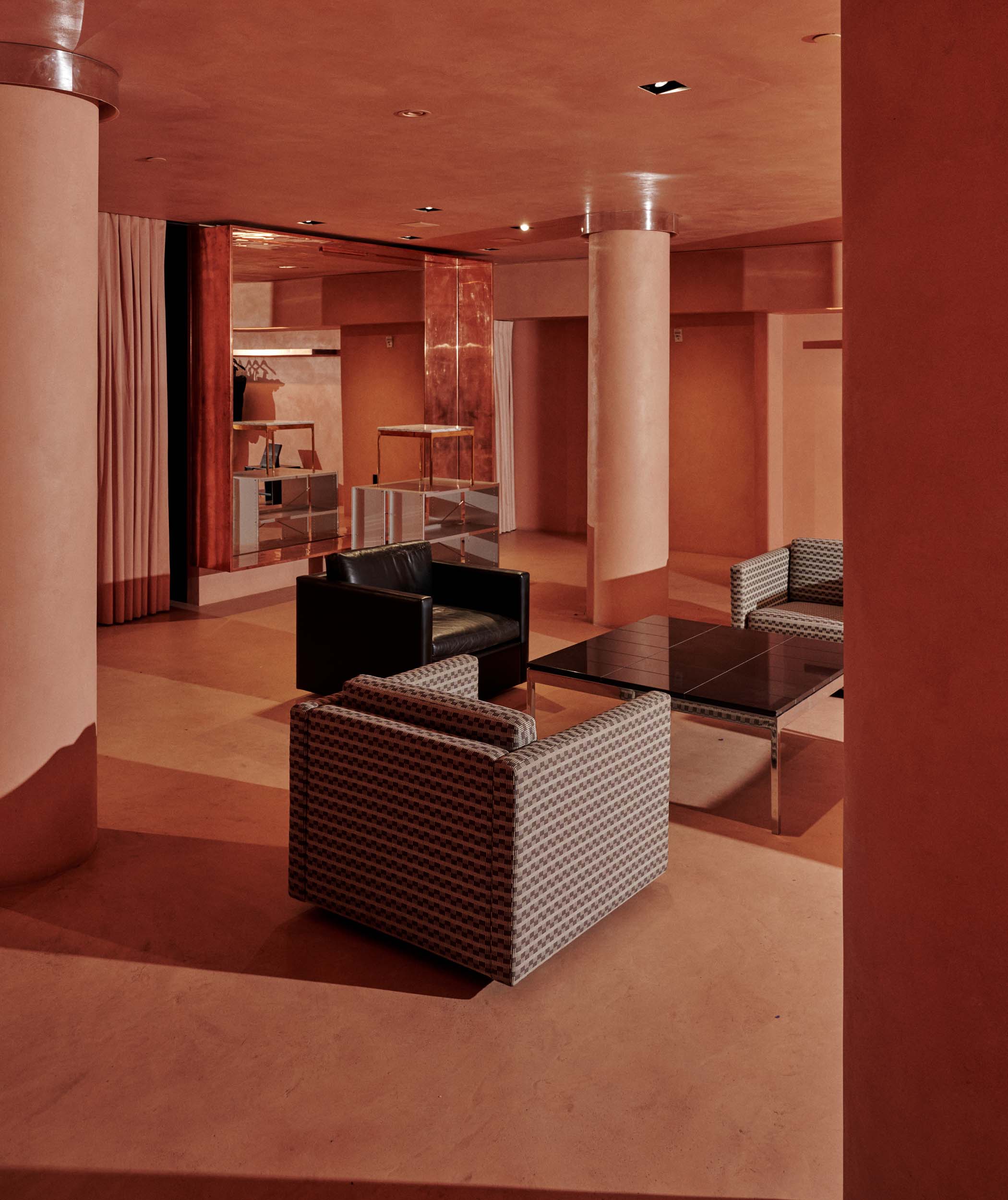
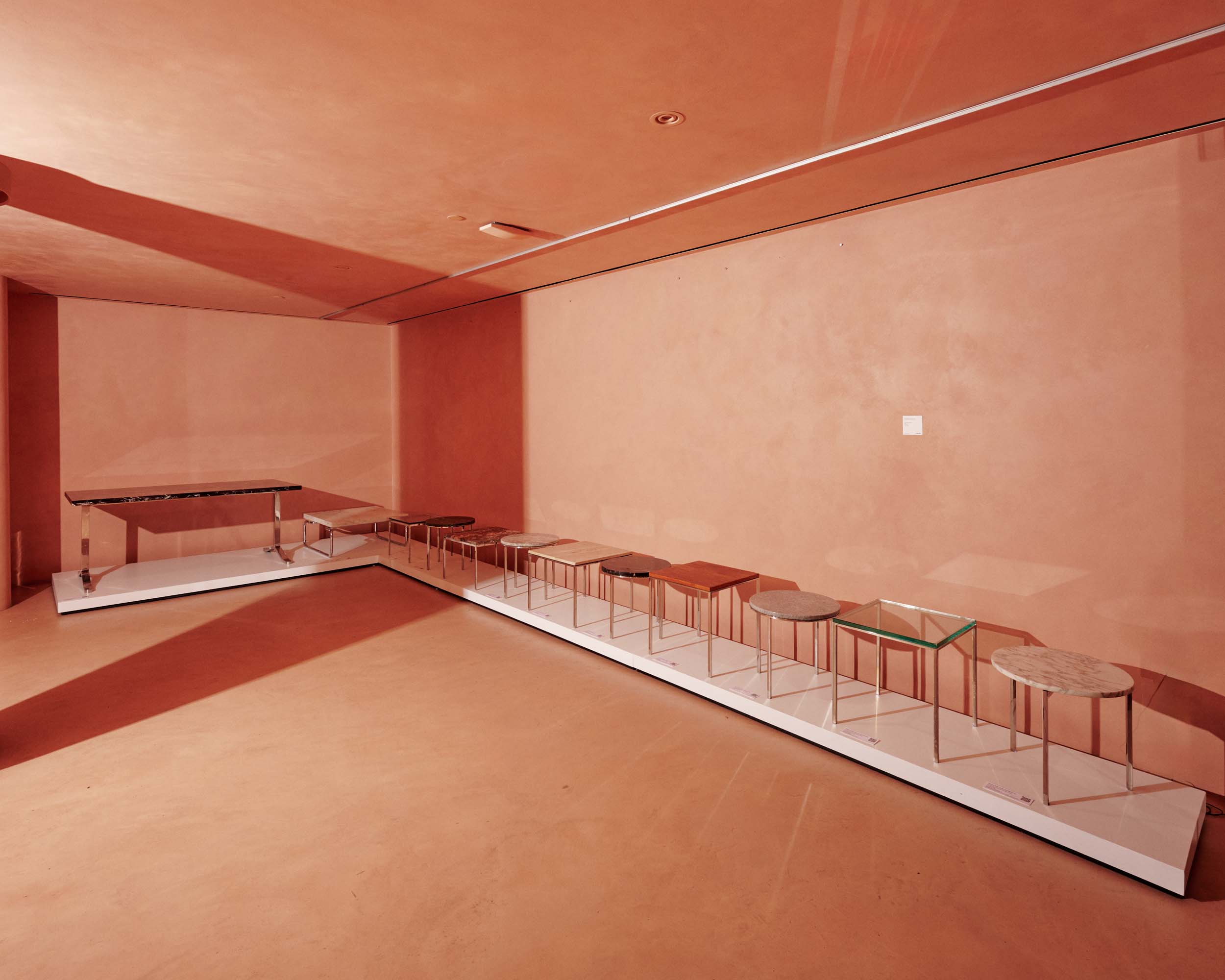
A constant reference is the presence of Mies van der Rohe; one staging compares his Barcelona Chair, designed with Lily Reich, to a similar lounge chair by SOM.
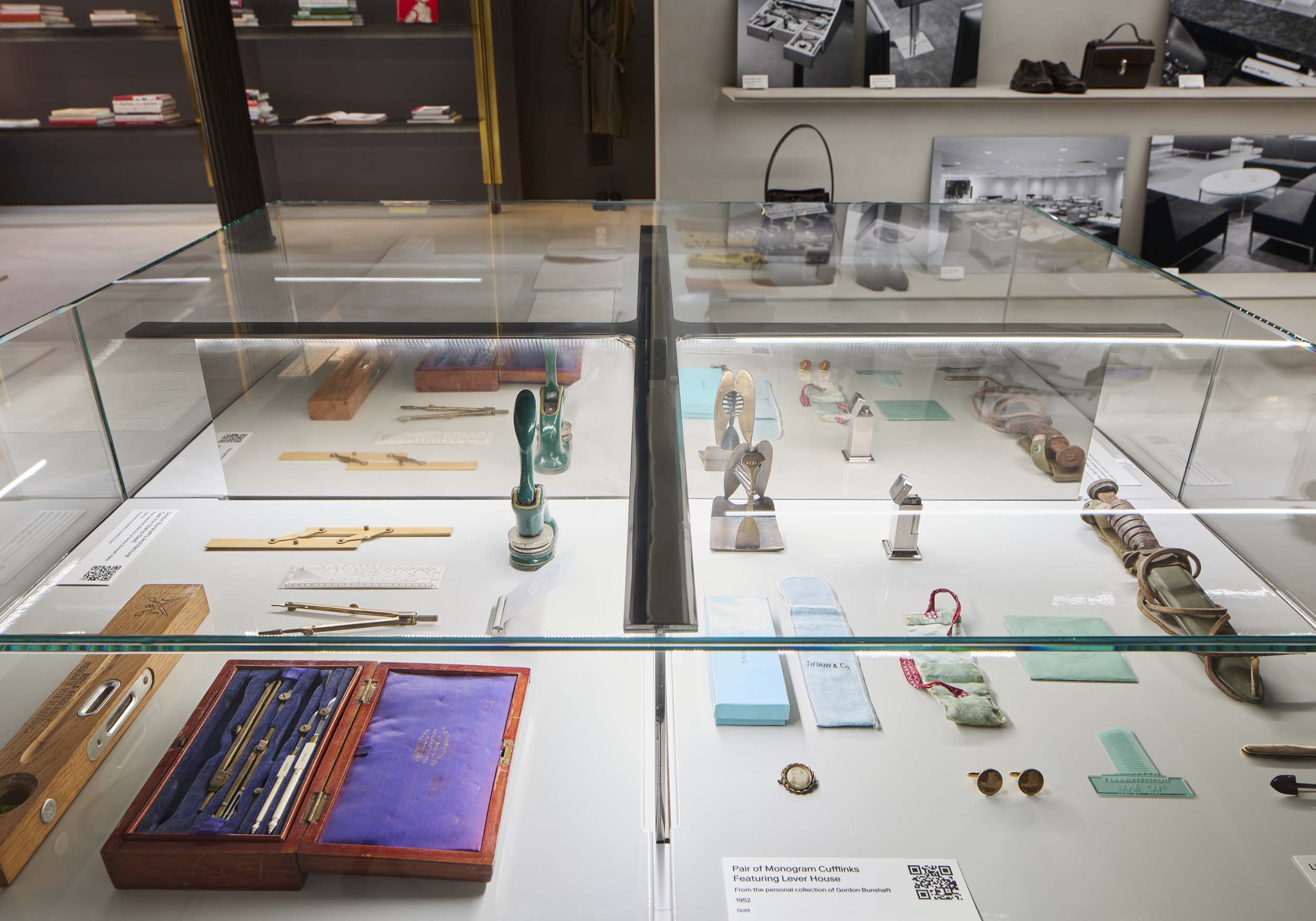
The impressive round-up of midcentury furniture is historicized through the display of personal mementos from SOM’s Gordon Bunshaft, including cuff links that feature the Lever House, drafting implements, and an embossing machine with his architectural stamp. Elsewhere, publications like Interiors magazine and color photographs give additional insights into how these projects were absorbed through the media.
“For decades, SOM’s furniture existed in plain sight, but outside the public narrative of modern design,” David Rosenwasser said. “These are not prototypes or side projects; there are thousands of meticulously designed, project-specific works that defined how modern corporations looked, felt, and functioned. This exhibition is the result of more than a decade of research and collecting, and it represents the first time this body of work has been studied, assembled, and presented as a coherent design legacy.”
Furniture by SOM: Design 1950–1991 is on view at LuisaViaRoma until April 30.