Nestled within a cul-de-sac in Epsom, England, the Triangle House by London-based architecture firm, Artefact Studio stands out from an otherwise neutral street with its unique color palette. The home is an addition to a quiet brick house from the 1950s, filled with several ambitions: to incorporate a bathroom, bedroom, and office/music room; extend the living space; and take better advantage of the new garden, redone by Phenomena whose palms and exotic plants set the scene. The architects realized the brief with dramatic design punches, inspired by the clients’ Caribbean heritage. The new wing adds fun and flair to the home while working with the preexisting home’s ethos, midcentury roots, and awkward plot.
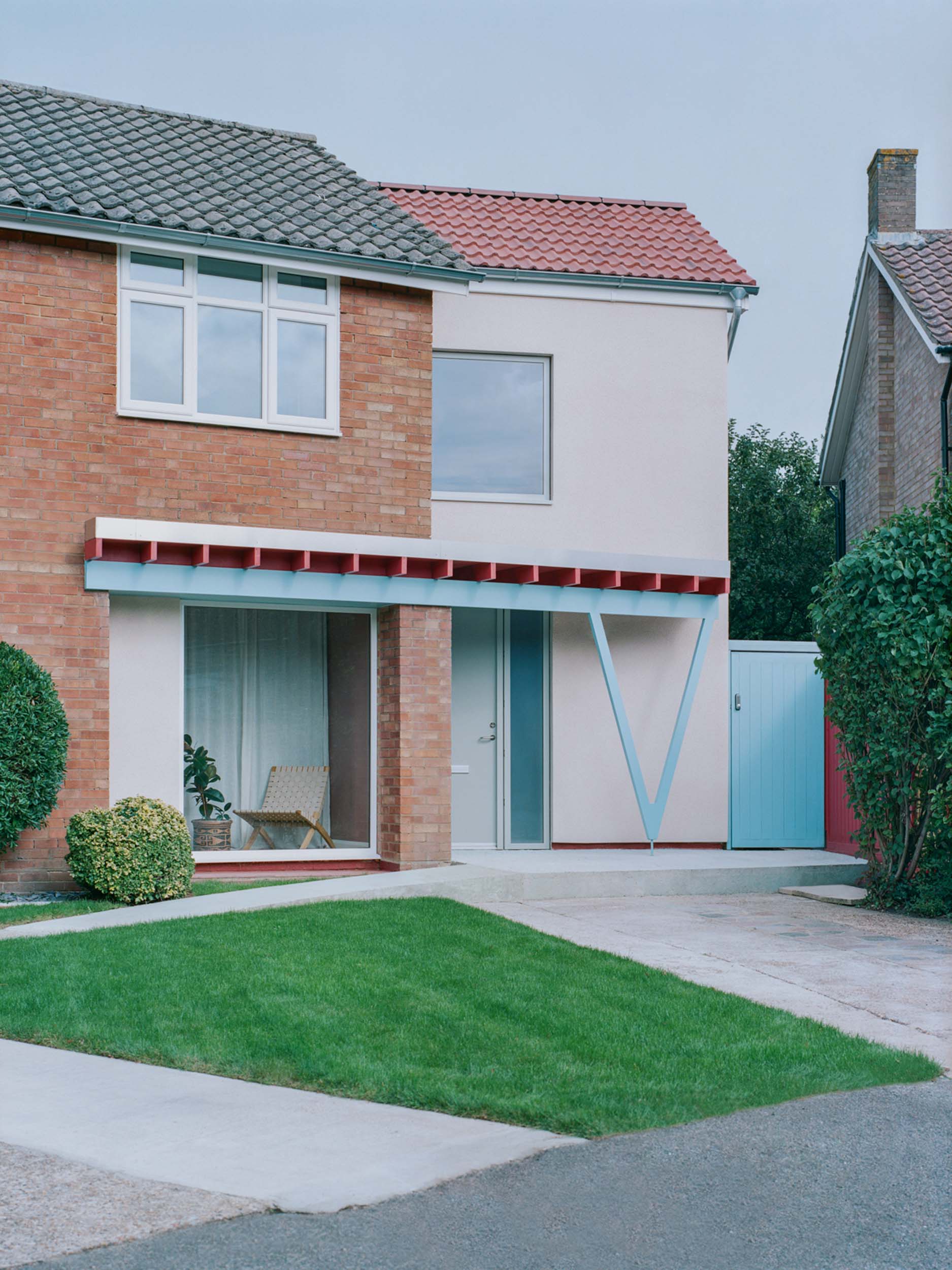
Triangle House draws immediate intrigue through the facade, where the addition’s eggshell colored, street-facing exterior lies pressed up against the original minimalistic midcentury brick house. The two facades are connected by a canopy composed of a blue triangle acting as support for red and white beams.
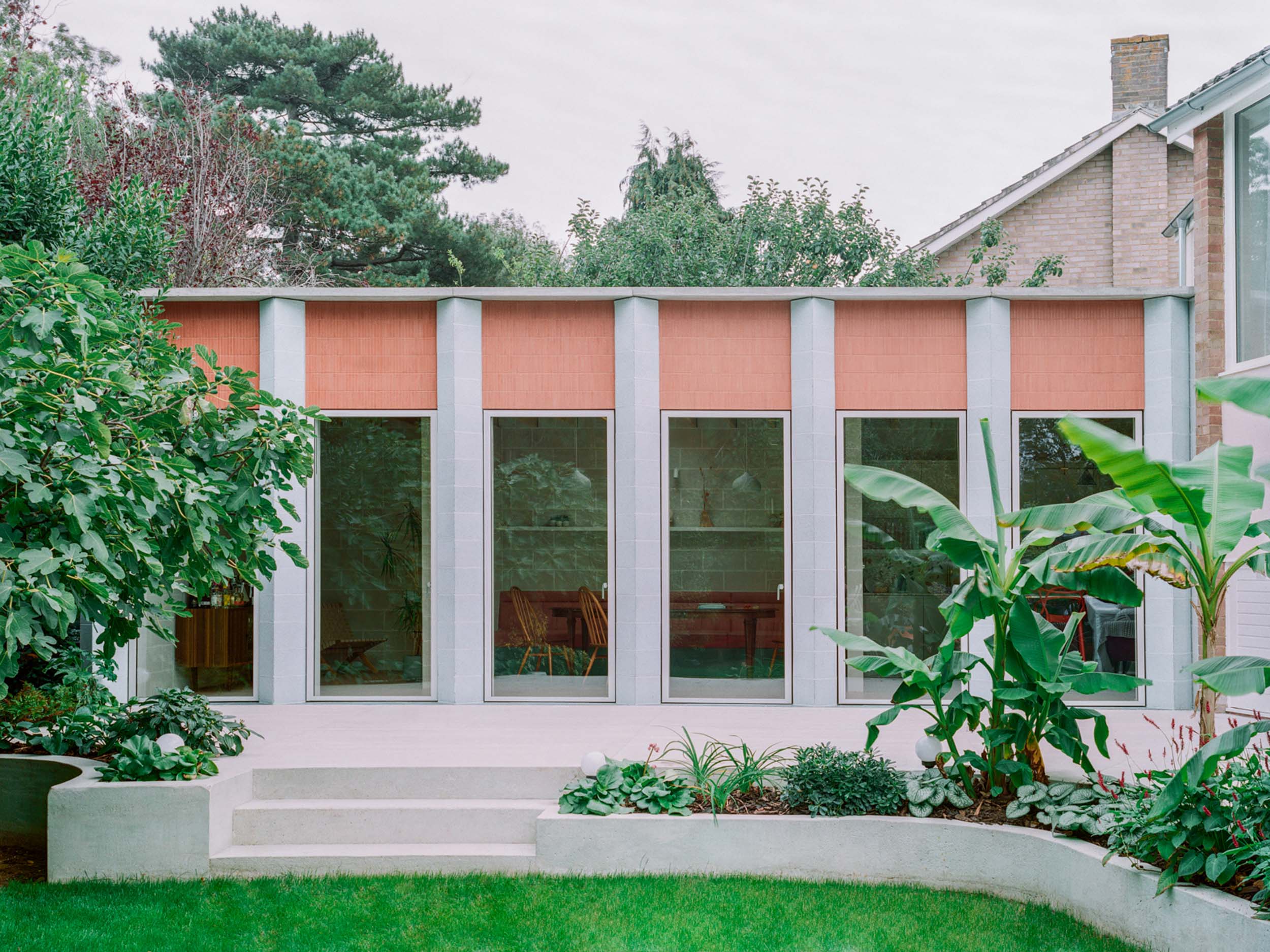
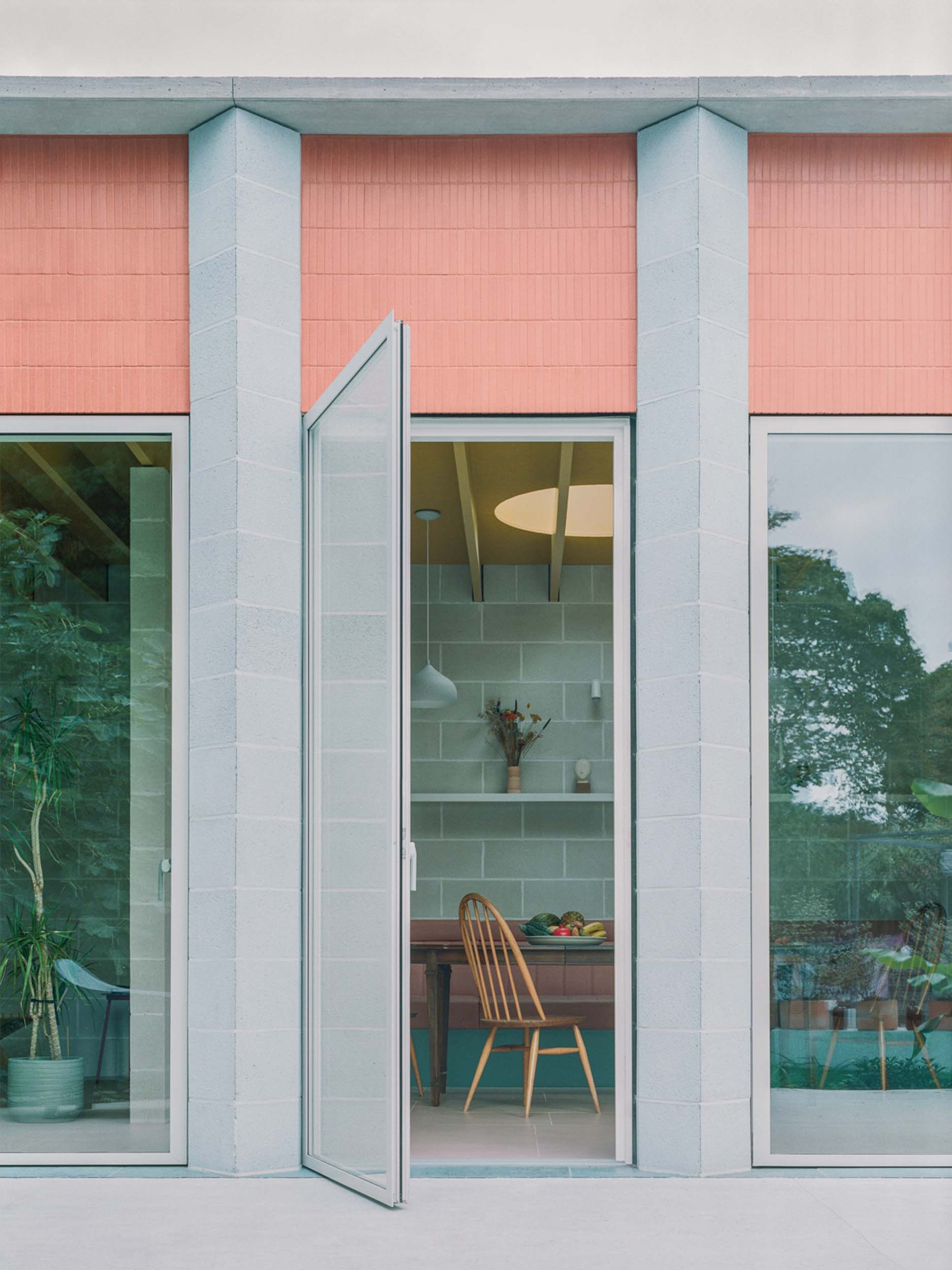
As the project’s name indicates, triangles act as a recurring theme for the home. They can be found in the blue blocks carefully cut on site to form columns on the garden side’s rhythmic facade. The site for the addition itself is uncoincidentally triangular.
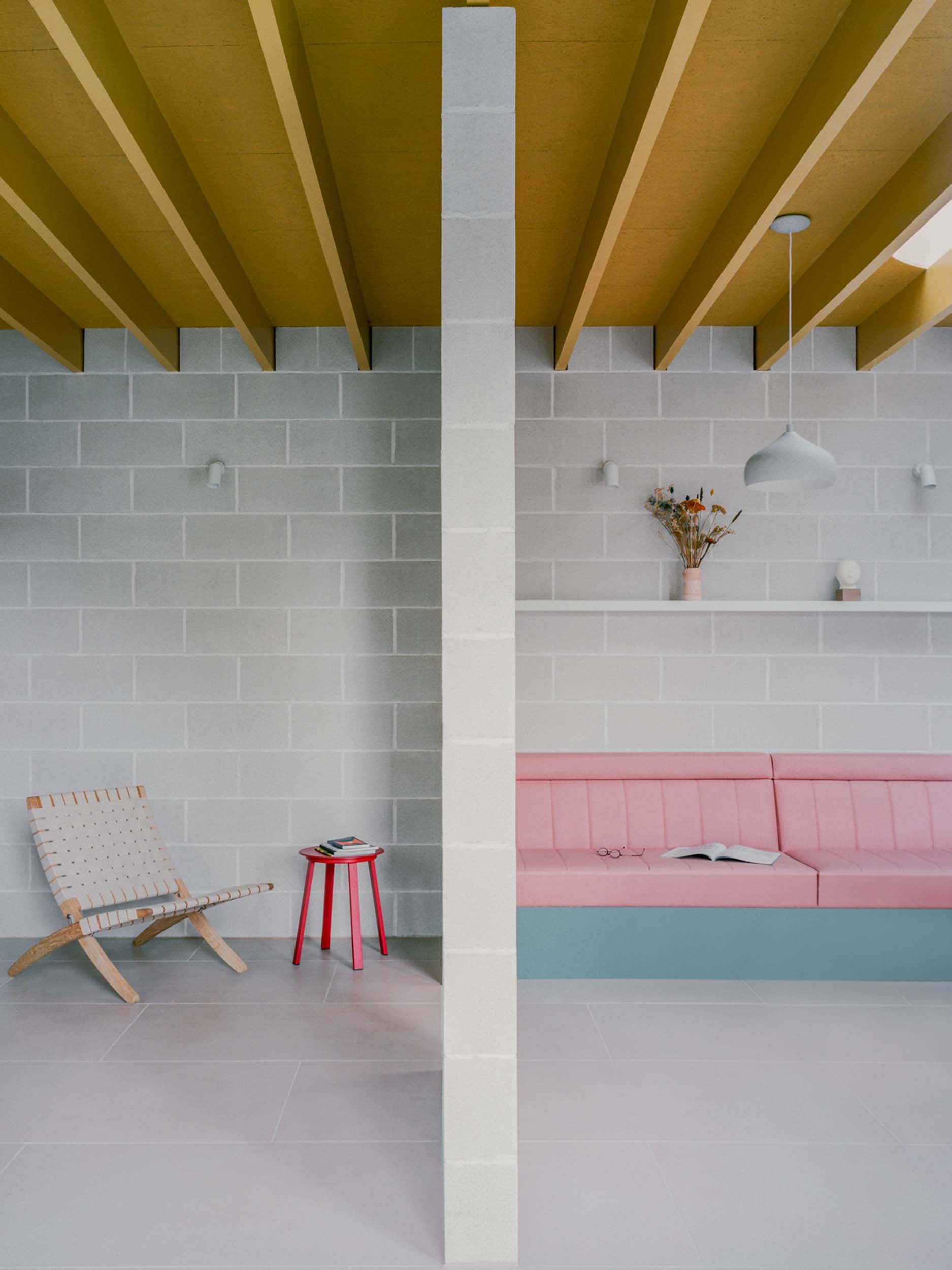
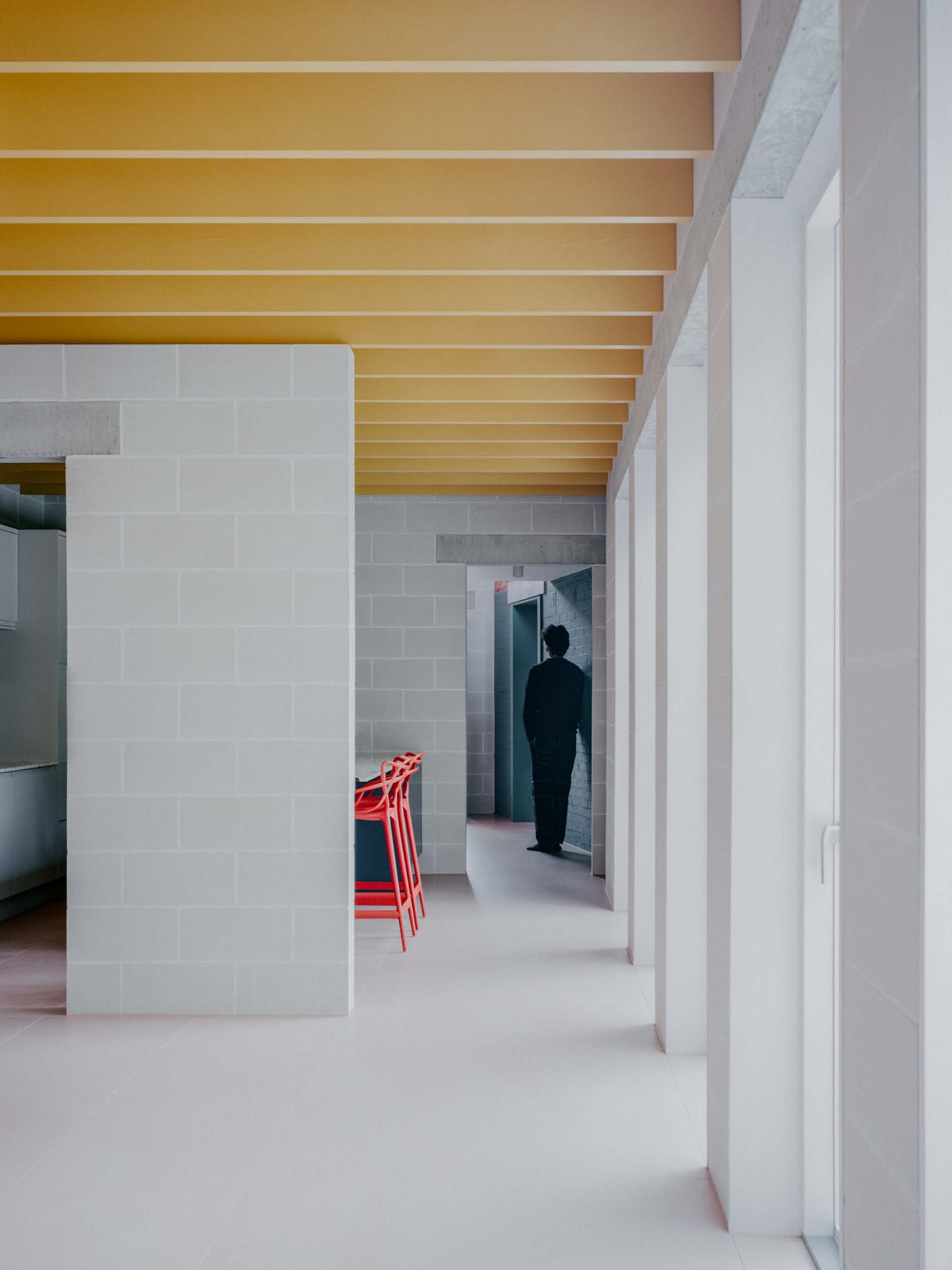
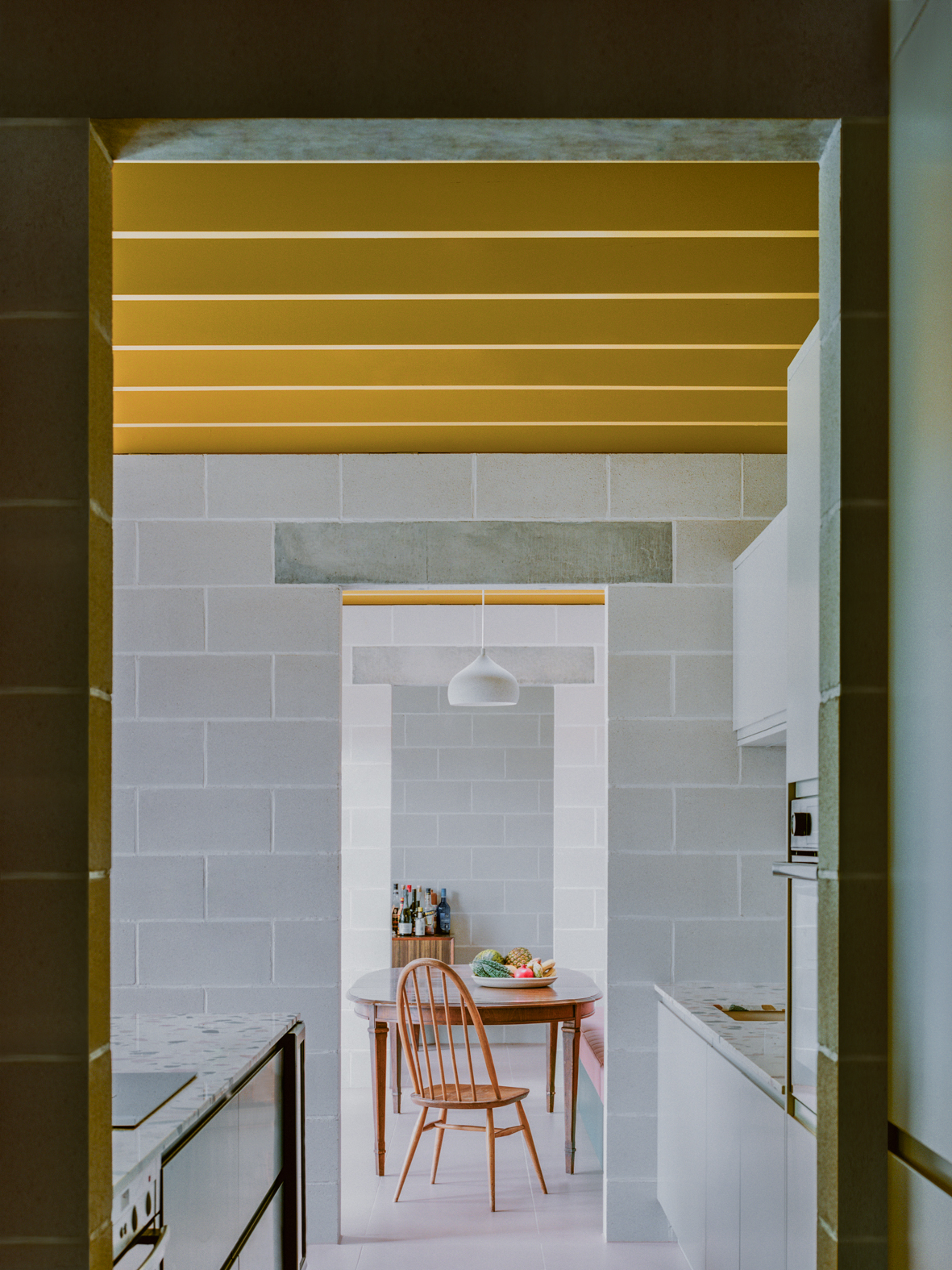
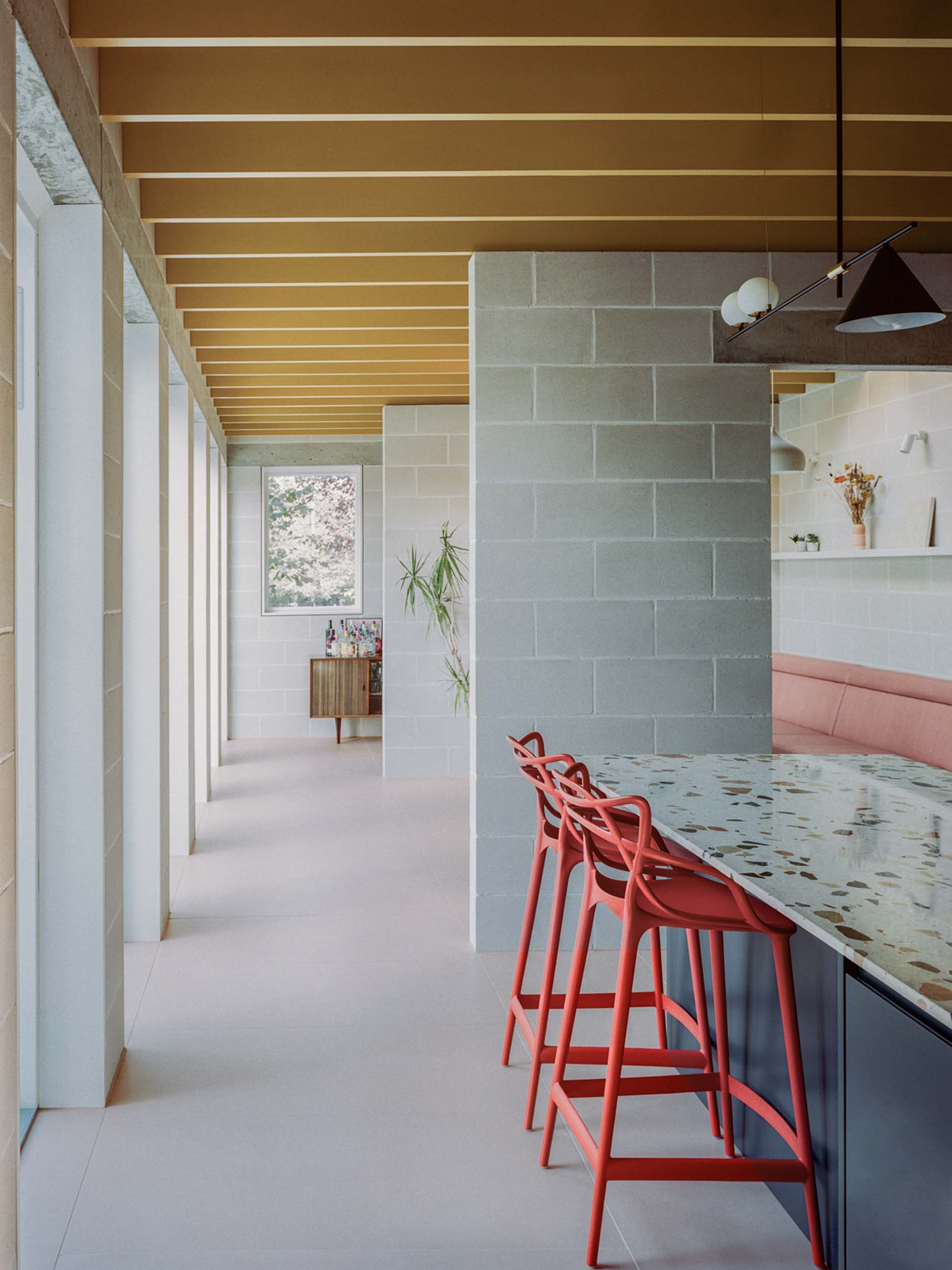
Inside, the addition is organized as a series of rooms partially separated by a series of light gray single-leaf walls constructed from hollow fair-faced blocks. These identify zones in place of doors, which the architects did away with. Thus, the living spaces, office/music room, bedroom, and family bathroom flow from one room to the next. Throughout, these spaces look upon the garden and is connected through seven grand floor-to-ceiling glass walls—allowing ample natural light to seep through the entire addition. It then frames a view of the nearby park as the enfilade culminates in a picture window at the rear of the addition.
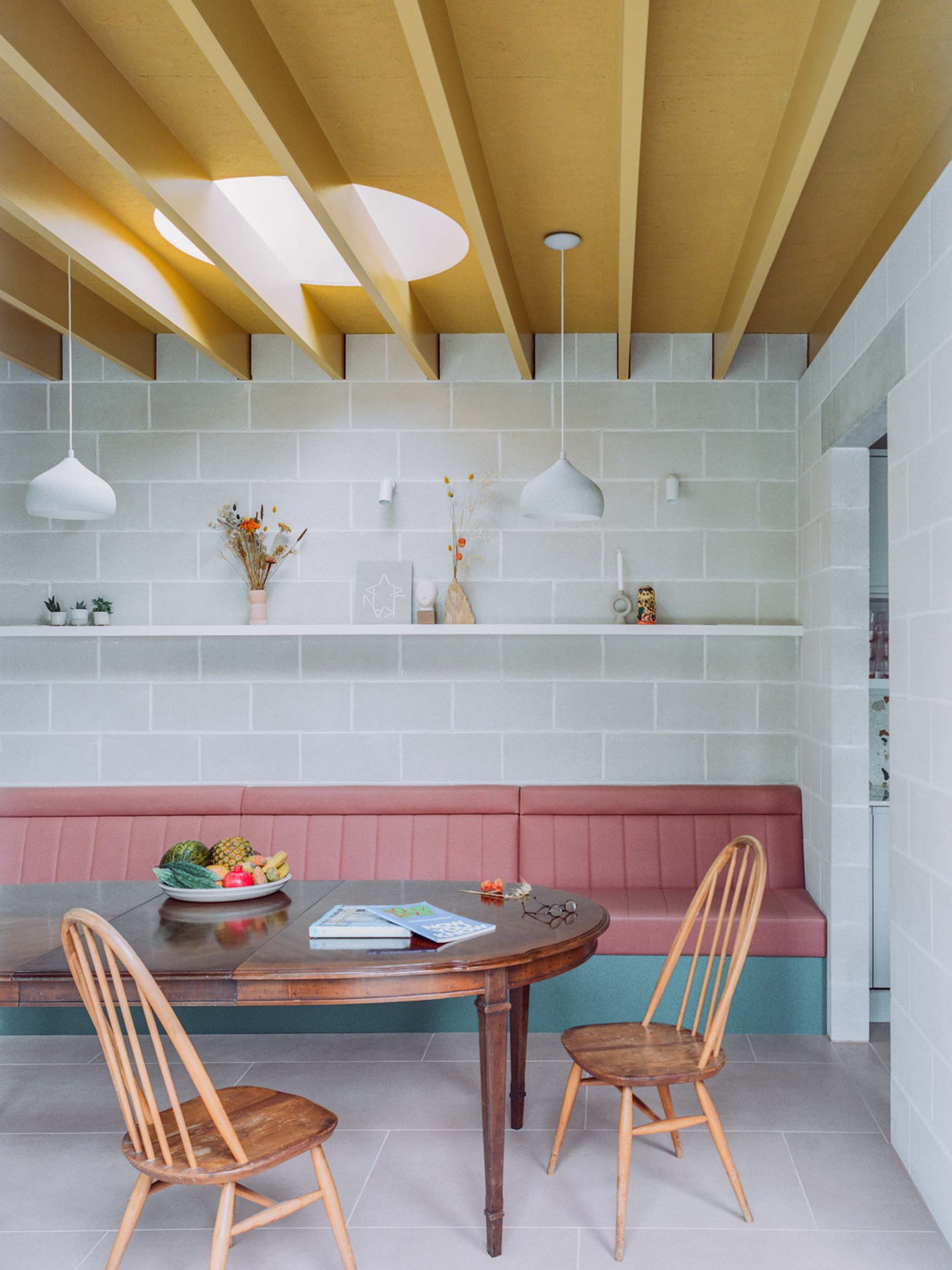
Caribbean influences can be found within the home through additional vibrant color accents and material application, such as the triangular blue blocks and warm yellow ceiling that continues down the enfilade. The ceiling features exposed timber beams and OSB boards dipped in a soft ochre—tag teaming with the red beams found in the front entrance canopy. Other bold uses of color abound in the furniture choices: bright red kitchen countertop chairs, a long bench upholstered in bubble gum pink with a baby blue base, and wooden dining table and chairs that tye back to the original house.
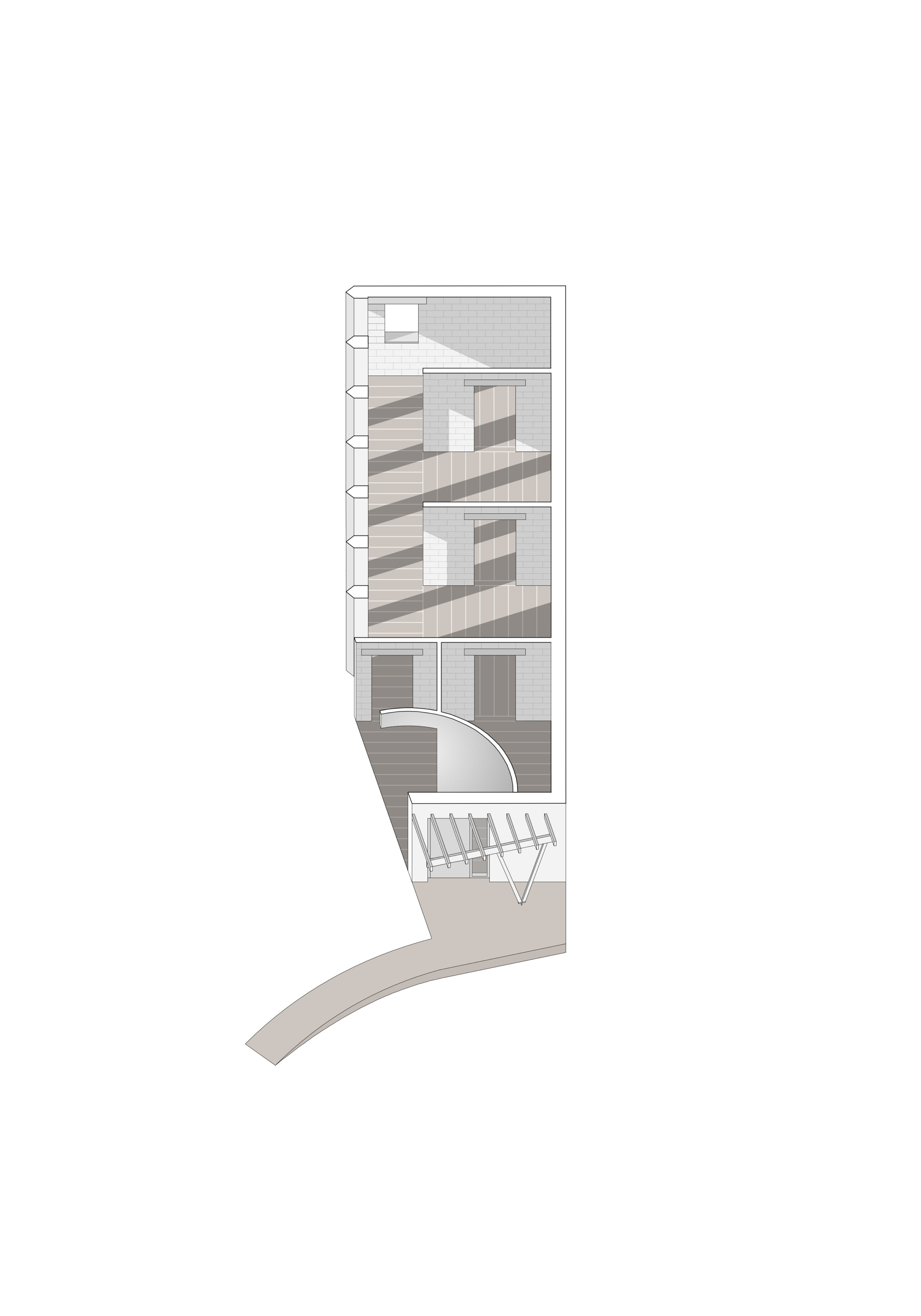
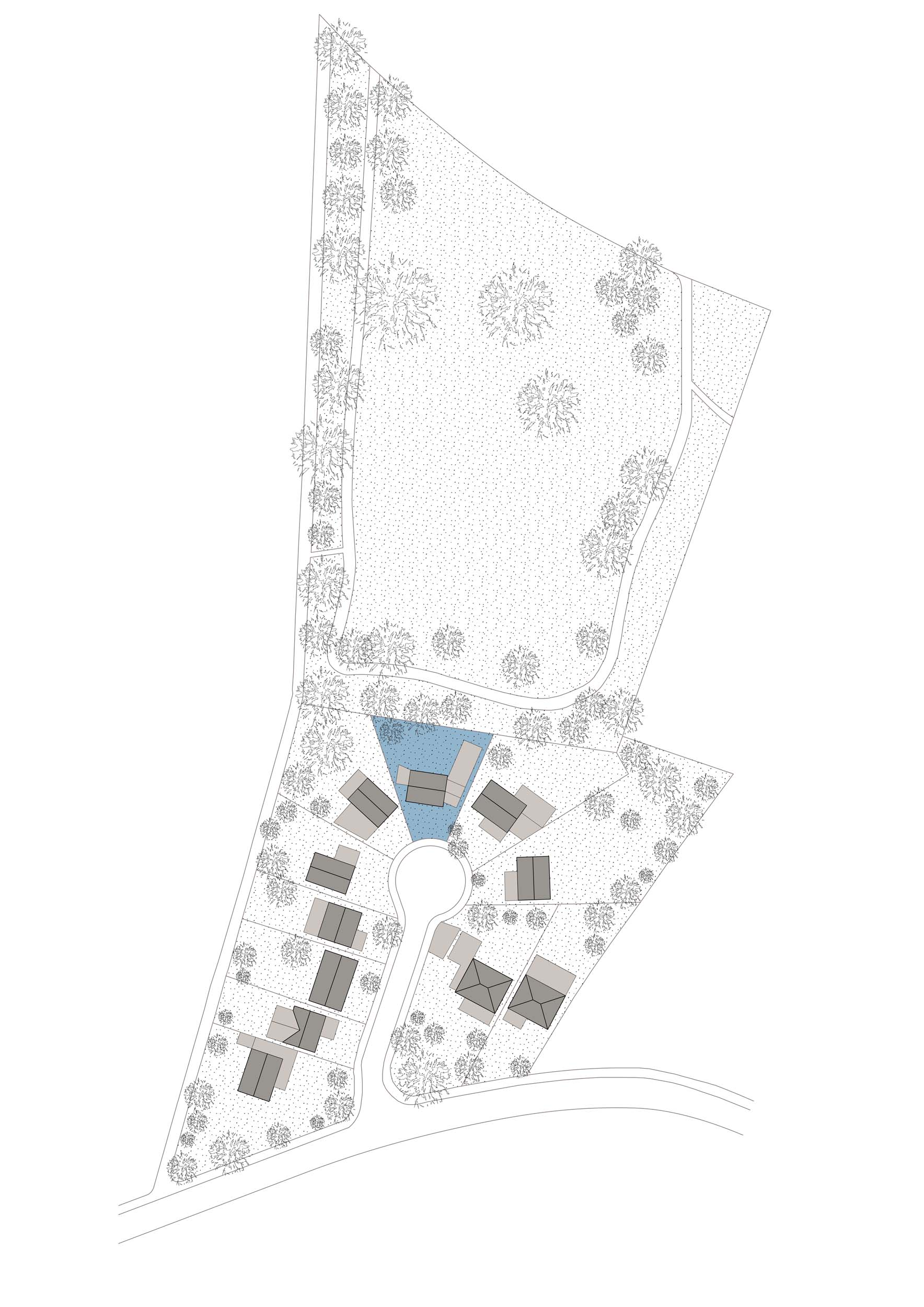
Artefact Studios incorporated elements from both the original midcentury home and the client’s Caribbean background while also maintaining an environmental edge—and a tight budget. The design team explored how to reduce the total number and volume of materials applied to the Triangle House (like getting rid of internal doors). The design embraces exposed materials, such as timber beams, external walls, and hollow blockwork locally sourced from the United Kingdom with mineral wool insulation. This approach reduced the masonry volume by 50 percent, which lowered the total embodied carbon.
“We skimmed the fat off the building, developing a lean material strategy that gives the building its character while reducing the cost and carbon of the construction,” shared the studio. Using minimal and cost-efficient materials to great effect, Artefact Studio does more with less. Triangle House extends into the sun and tropical garden, just as a Caribbean-inspired design should.