
Earlier this fall, Elizabeth Roberts, founding principal of Elizabeth Roberts Architects (ERA) released Collected Stories, published by Monacelli Press. To tell a more accurate story about the lives of her projects, the well-designed volume includes historic photography, sketches, and even short fiction by Christine Coulson. Roberts spoke with AN Interior’s executive editor, Jack Murphy, about the publication.
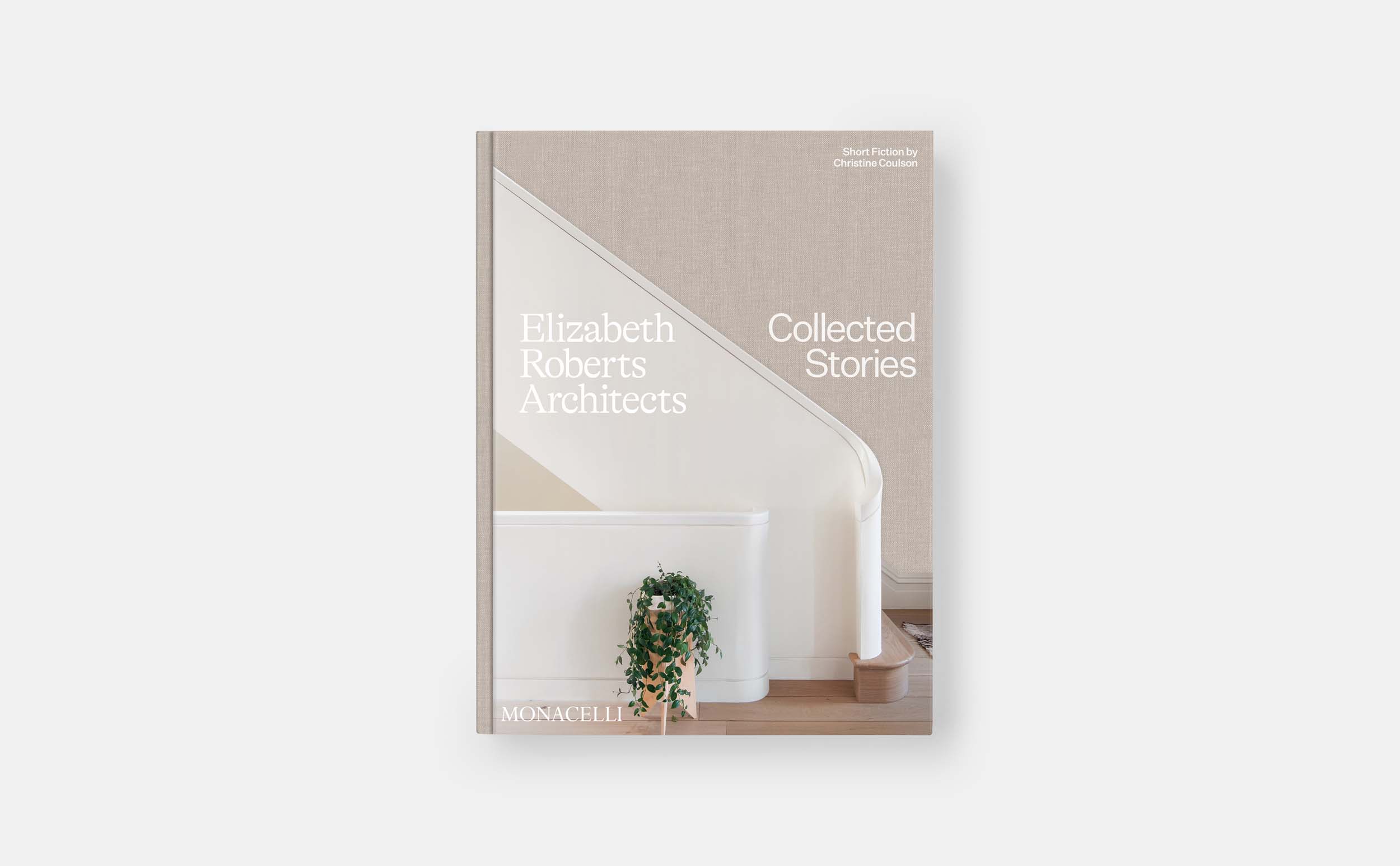
Jack Murphy (JM): What did you learn by making this book?
Elizabeth Roberts (ER): Just like an architecture project, making a book is complicated and time consuming! And it takes a village. As with any design challenge, there are lots of pieces and considerations that go into a book—especially a visual book. I also learned that it’s deeply satisfying to figure out how to translate the sensibility of my practice into book form.
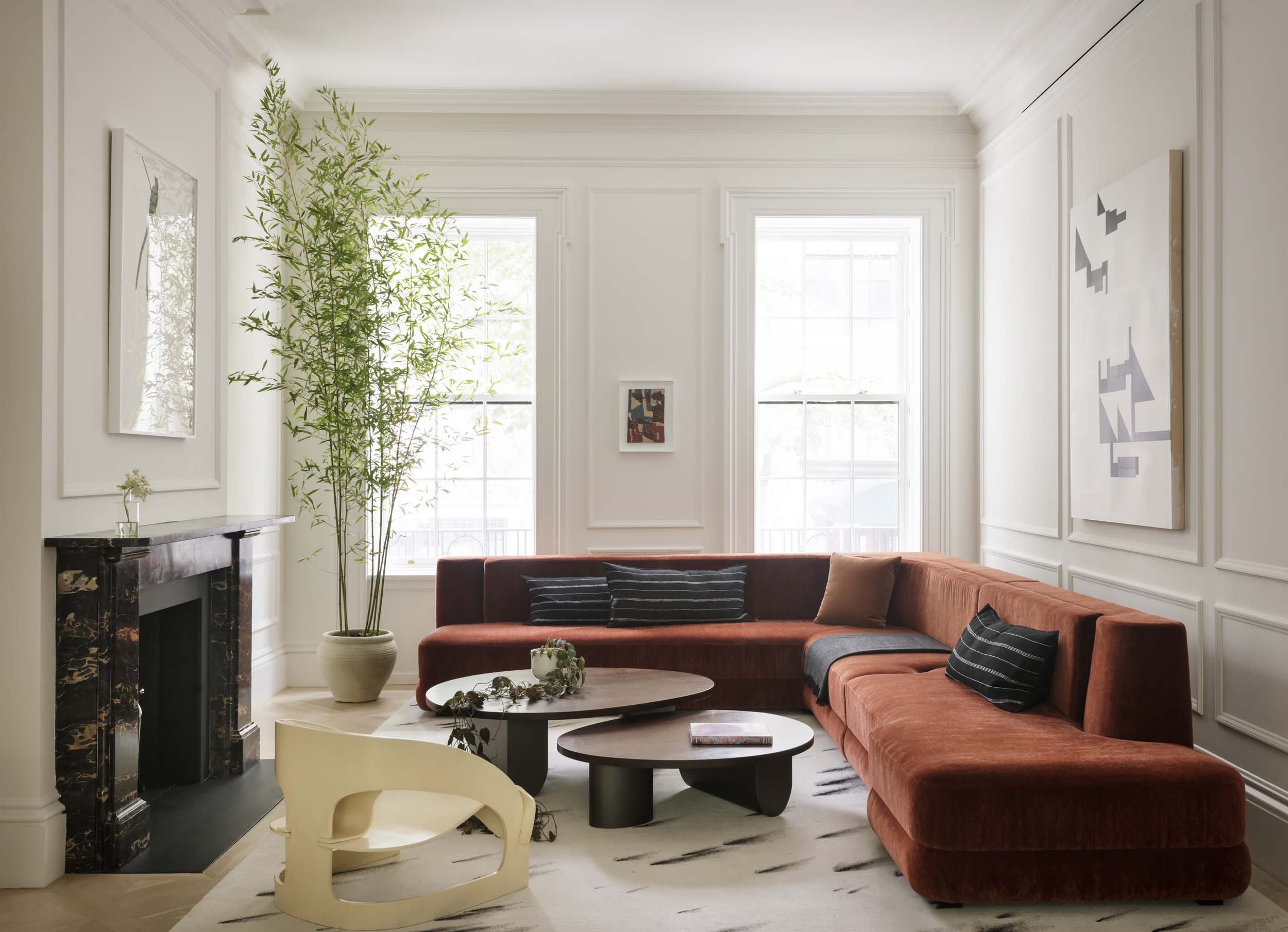
JM: How is design a form of storytelling in your view?
ER: Forming a story about a structure or a site is how I find my way into the design process—or, as I wrote in the book, it’s how I find the truth of my concept. That story always picks up on some sort of history. It also sets the stage for new stories to be written. When I “finish” a project, my part of the story is written. But I know what I’ve done is just the starting point for whoever is going to come along and occupy that space.

JM: What’s the relationship between architecture and interior design for you?
ER: In my practice, I no longer distinguish between architecture, interior design, and objects. I see them as three interdependent parts of the whole. When I was starting out, I thought I shouldn’t take on interiors work. But I’ve always loved thinking about spaces in their entirety. That’s what really animates how we work at ERA, and it’s what has most enabled my design language to evolve.
JM: What lessons from being a musician help you make architecture?
ER: Studying music taught me the importance of both rigor and improvisation. Both are fundamental to the way I practice architecture. I believe you have to know the rules—of scale, materials, proportions, light, siting—and also how to bend or break those rules so that you can create spaces that are not only comfortable and workable but also exciting.
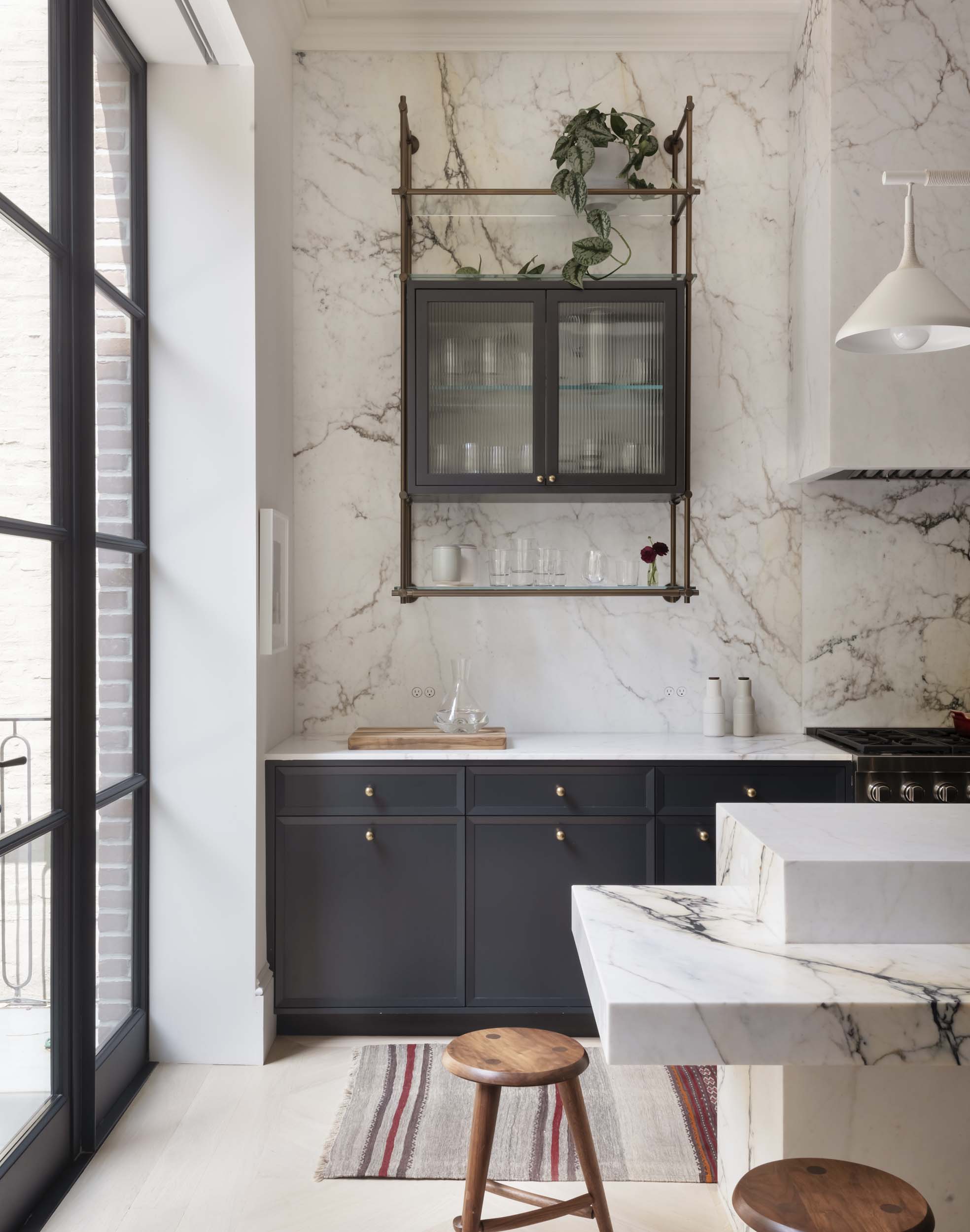
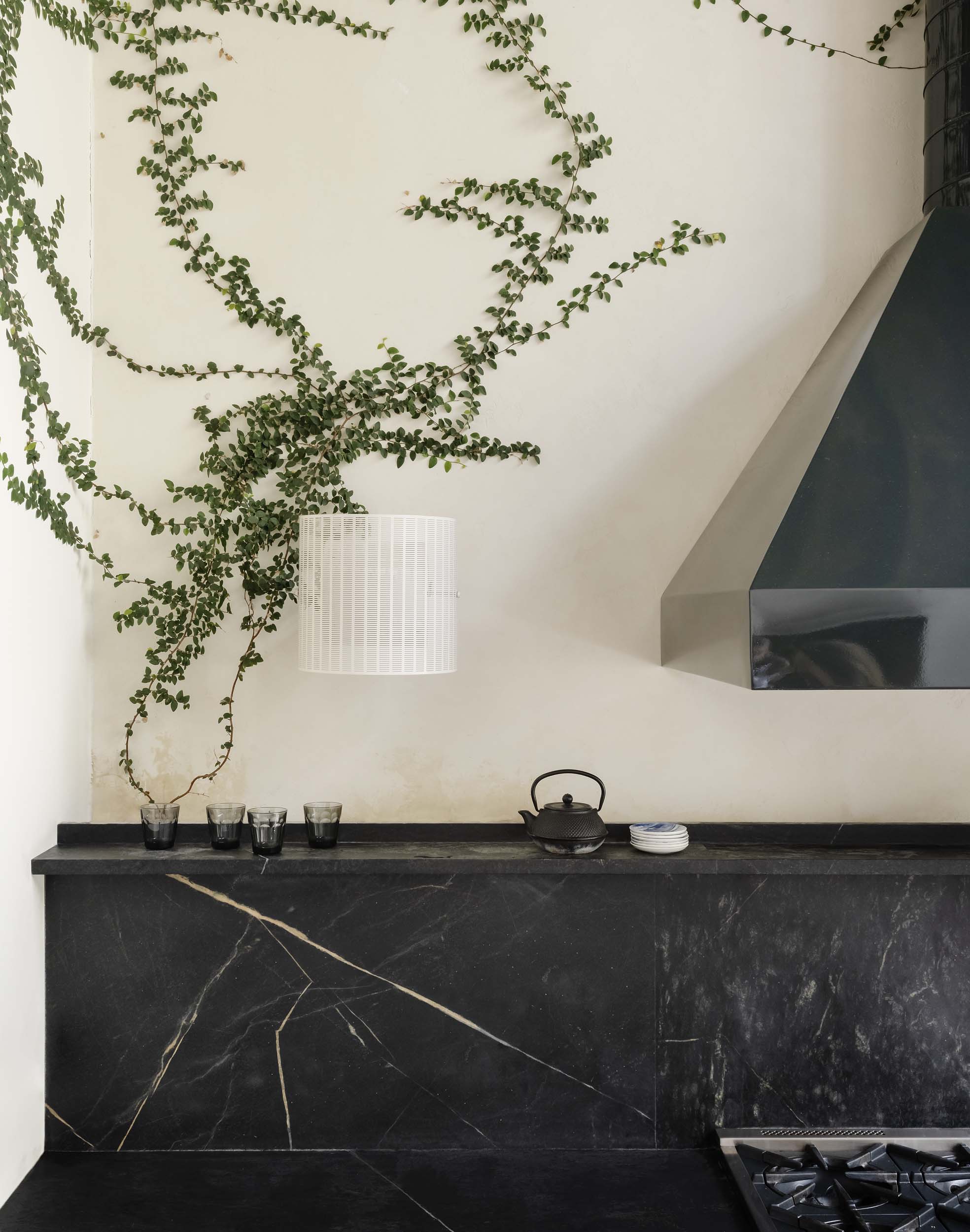
JM: How does seeing the photography of your work change when you include historical imagery in the layouts?
ER: We included historic site photography, archival maps, and even census records for some of the homes we’ve renovated in the book. We did this to reflect our process. Each of our projects begins with historical research because a building’s past is a huge part of the equation. We always try to understand the history of a given building or site so that our design decisions connect to the past and also make a connection from that history into the future. My hope is that when people see images of our work adjacent to those pieces of historic ephemera they’ll see into our thinking and into how all that we do is part of a bigger narrative.
JM: What’s next for you and your practice?
ER: We have lots of exciting projects in the works. Some are ground up homes, others are restorations, still others are institutional projects. Several are overseas, which is always a thrill. I’m also working on some new furniture designs. It’s a good moment for ERA.