A four-story home in San Francisco serves as the vessel and the canvas for light sculptures. For the project, dubbed Capturing Light, local firm Min Design approached the minimal residence by exploring the dynamics of light to create a shifting, meditative space. The architecture strategically positions openings, white walls, and angled surfaces so light and shadow decorate the home like artwork, ever-changing as the sun moves throughout the day.
“Capturing Light, one of our newest San Francisco residences, was a long, very carefully considered project,” said E.B. Min, the firm’s founder and principal. The site posed a challenge with its many neighboring structures and only two exposures, not to mention a dense program. Yet the clients main desire for the home was to incorporate light. In place of washing the entire residence in windows, Min and her team focused on creating a series of moments or vignettes that reflect or manipulate light in different ways.
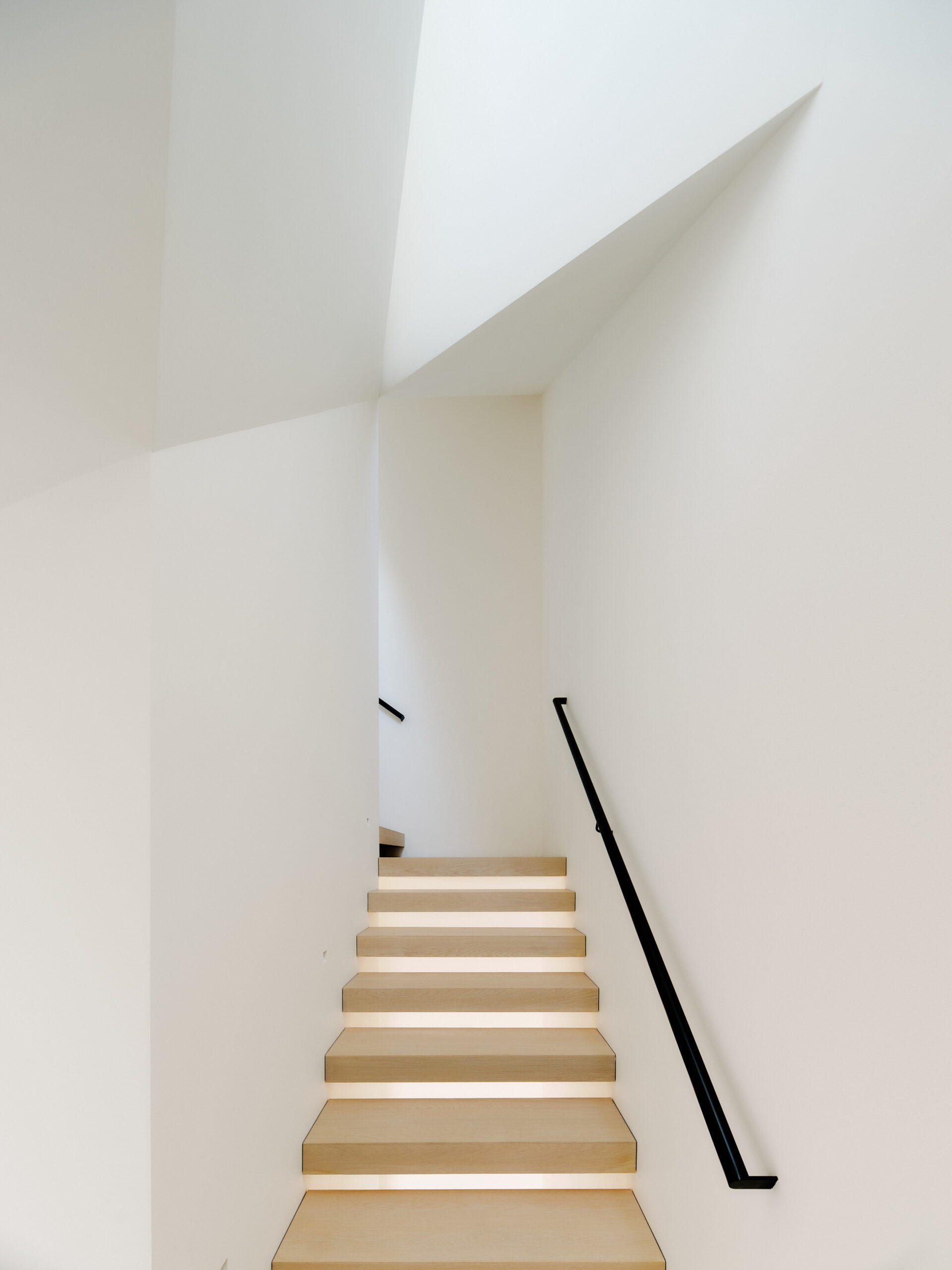
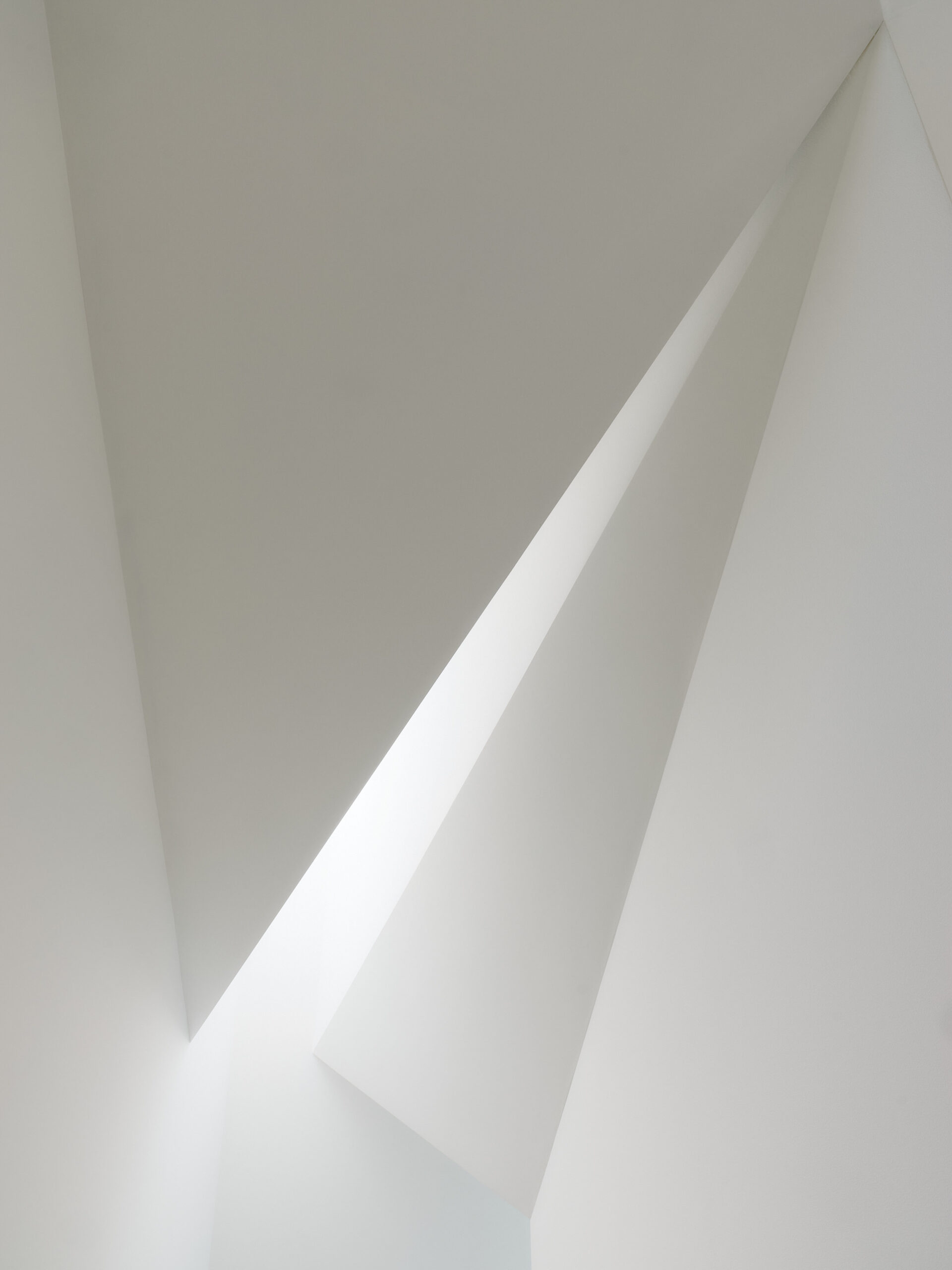
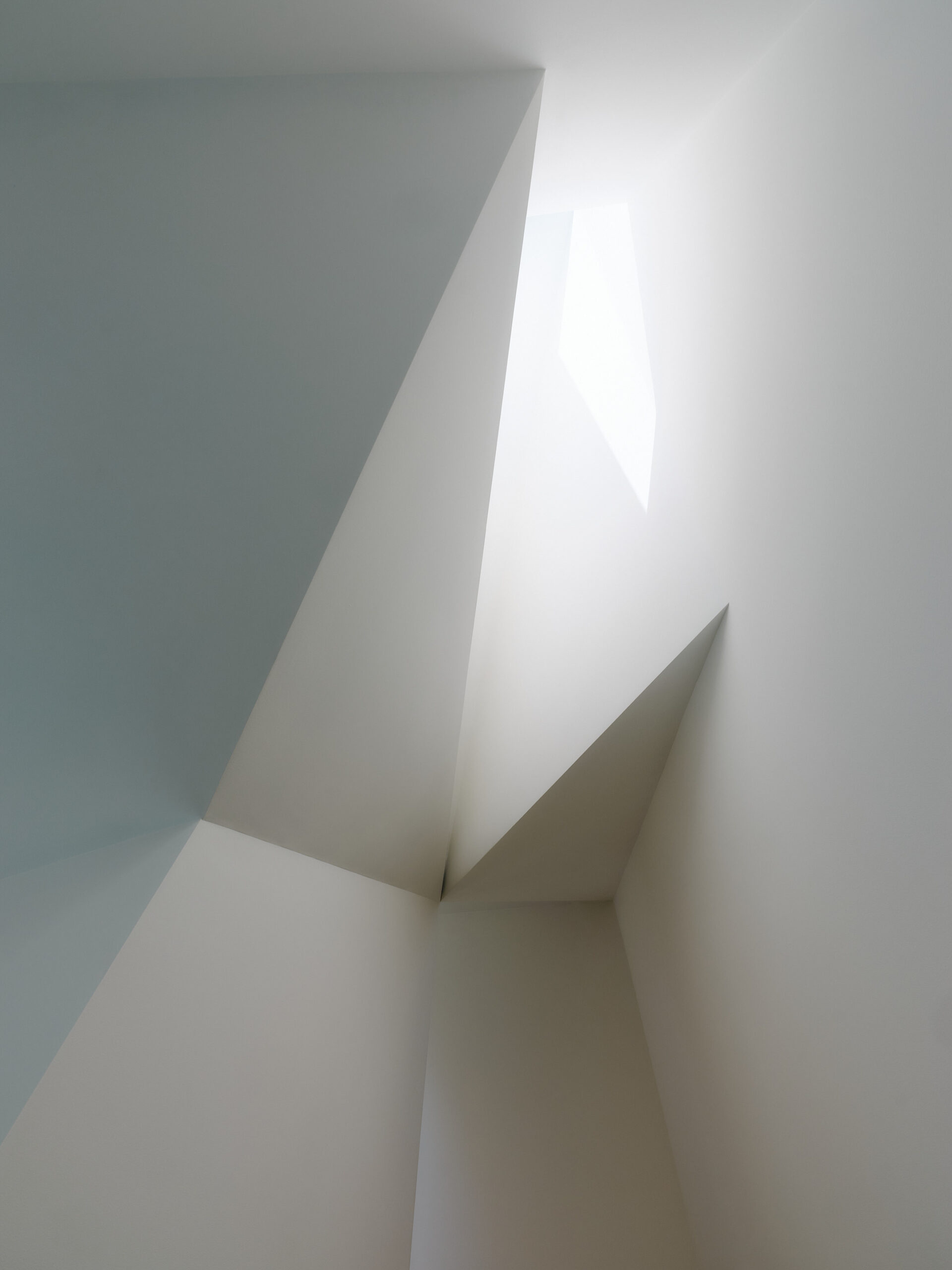
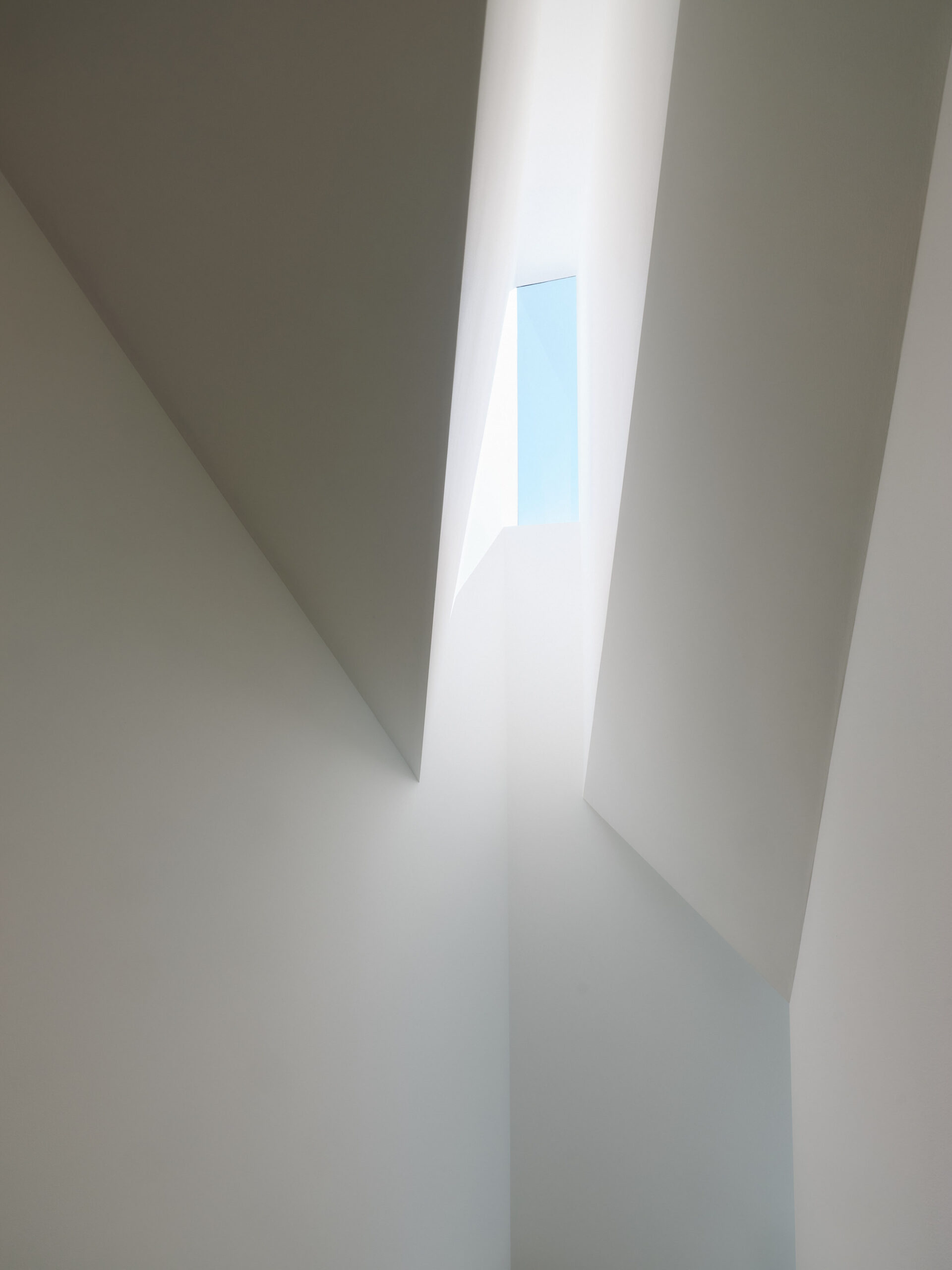
To do this, the architects balanced direct, indirect, reflected, and borrowed lighting techniques. This plays out most clearly in the four-story stairwell that not only critically connects and organizes the space but also sculpts light into otherwise darker wells. Folded, rectilinear planes make use of the small openings to reflect light arrays down the stairs. Wooden steps and blank walls help create further surfaces for this radiance to bounce off of.
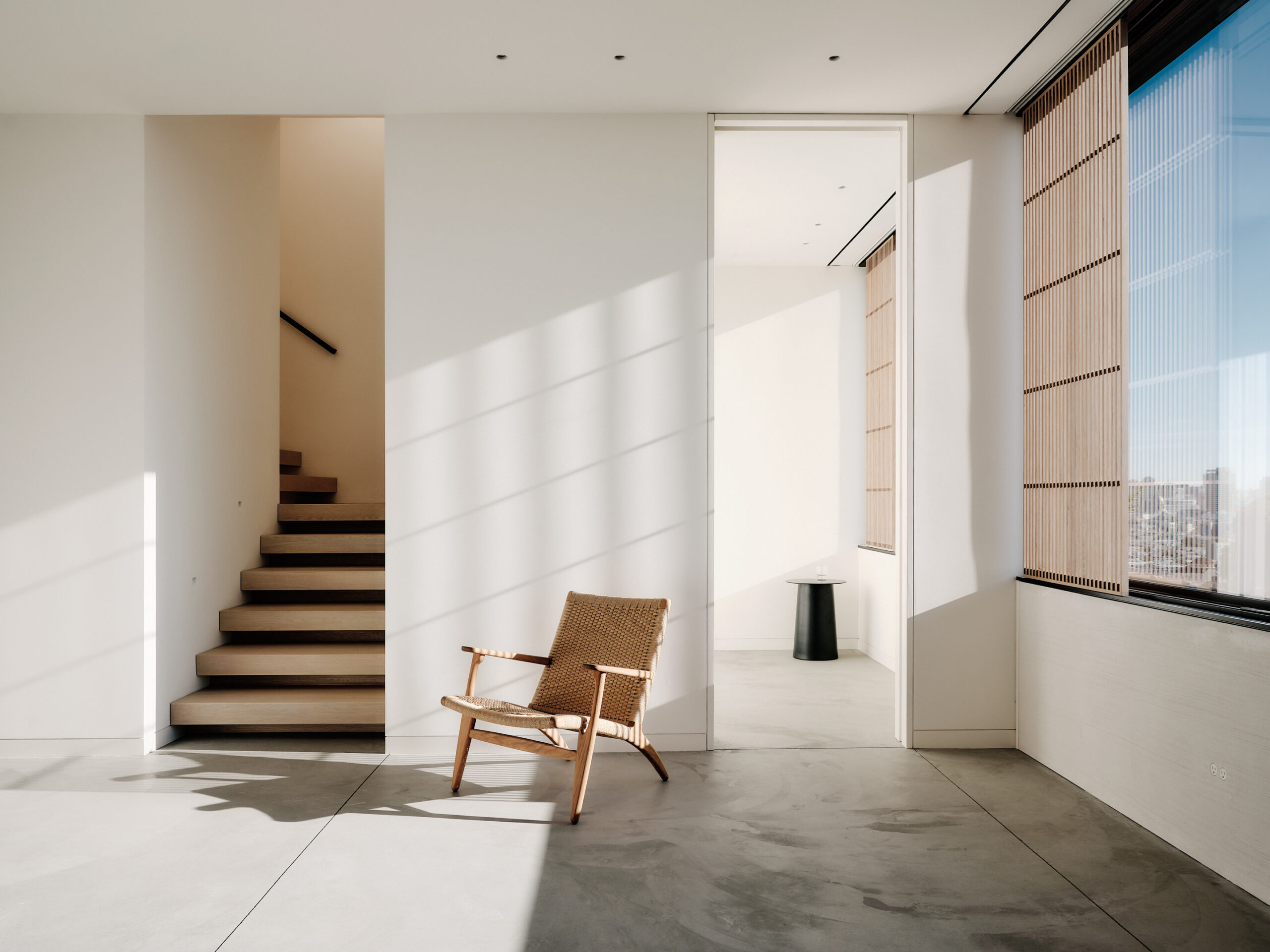
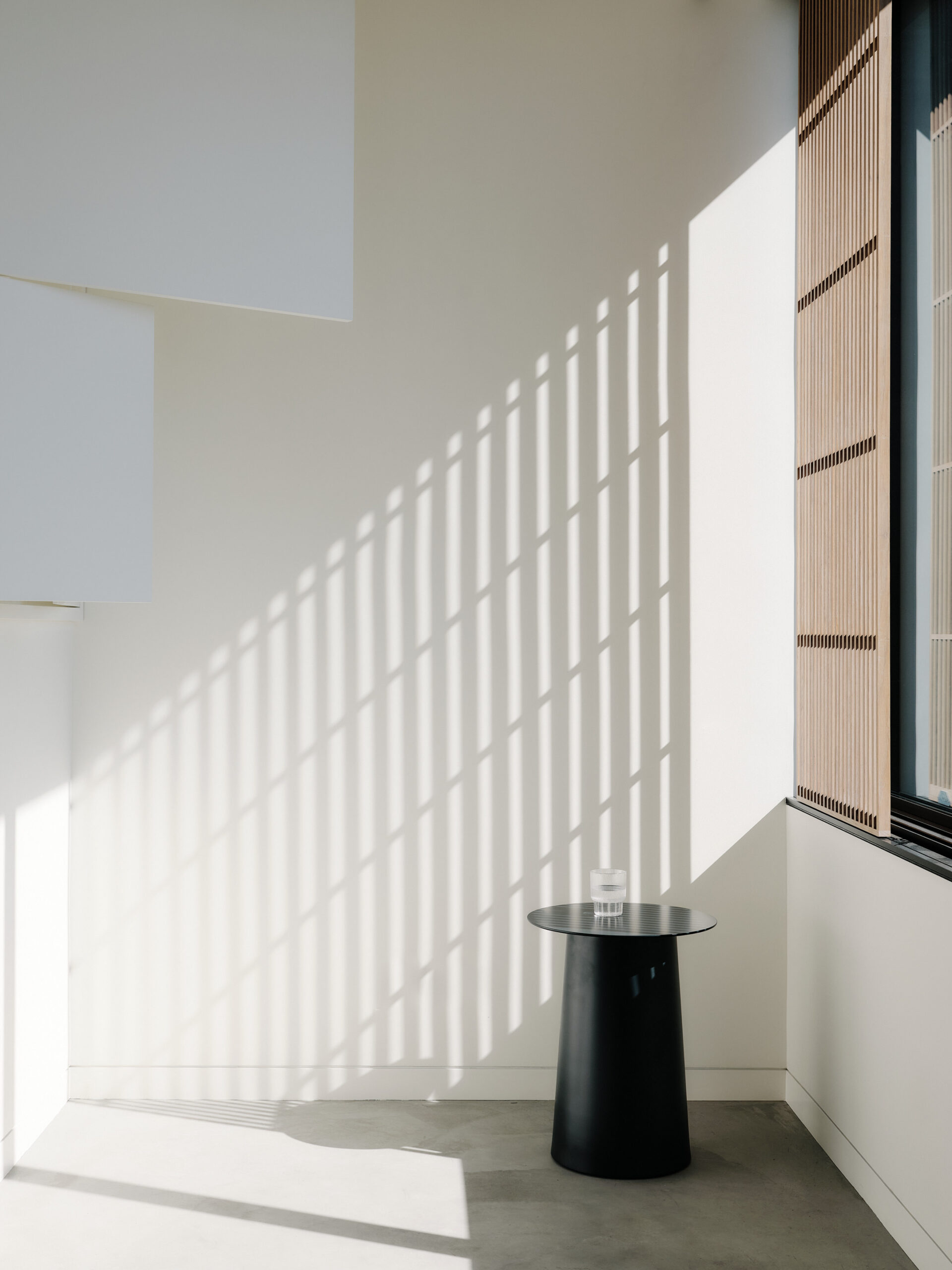
Even the window covers help frame the sunlight to come in more uniquely. In one room, slatted shades create linear reflections on the wall. In other rooms, the gridded window openings create options to bend and cast light in different configurations.
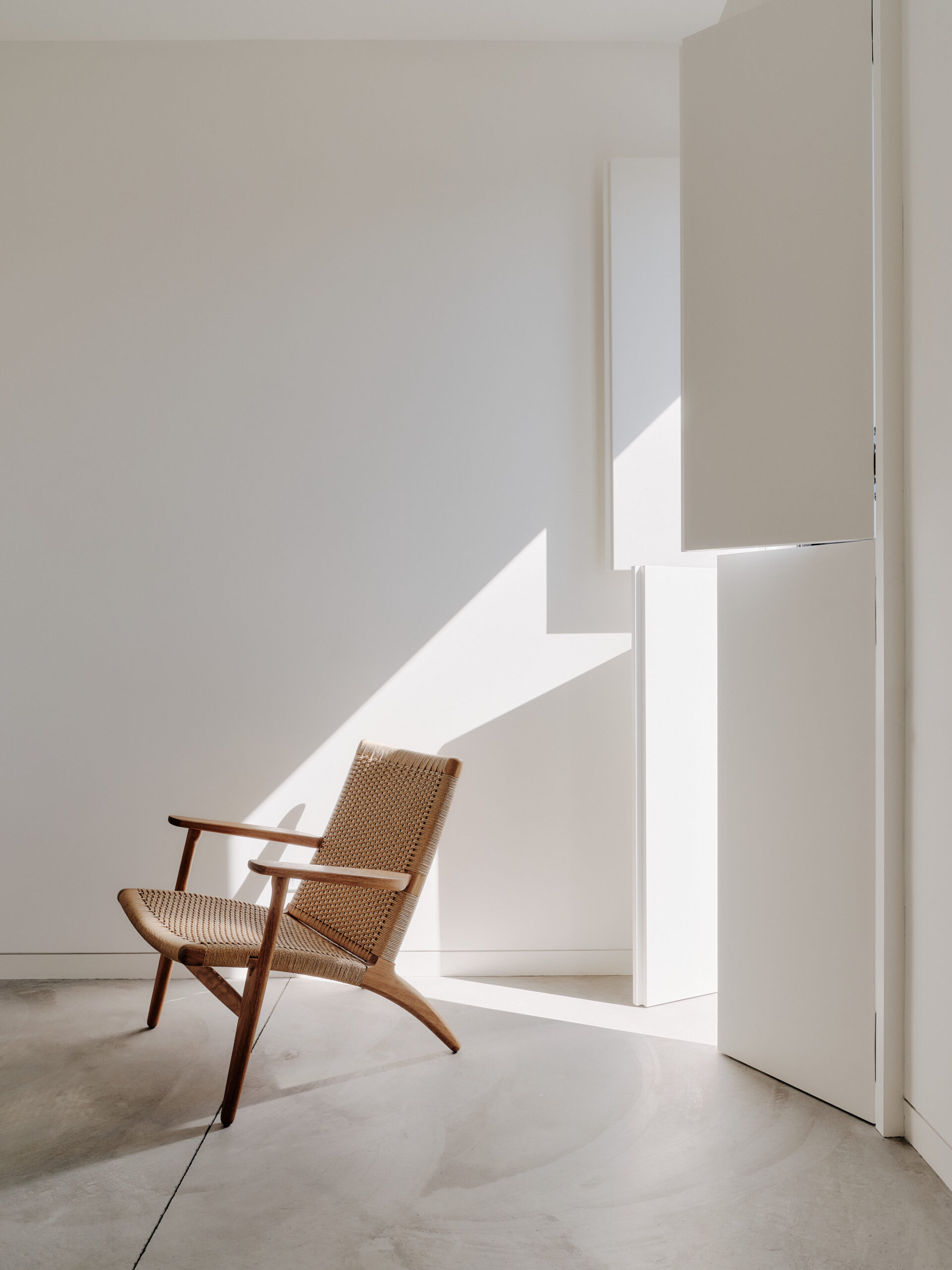
The minimal furnishings help keep these refractions front and center while creating a calm, contemplative environment. “The goal was to create a serene and deceptively simple looking space. So instead of focusing on layered furnishings, our goal was to create a beautifully illuminated interior throughout the day,” continued Min. It’s easy to imagine moments of introspection on the slightly reclined woven chair, placed in front of the window to better ponder the light captured throughout the day. Here reflection aptly begets reflection.
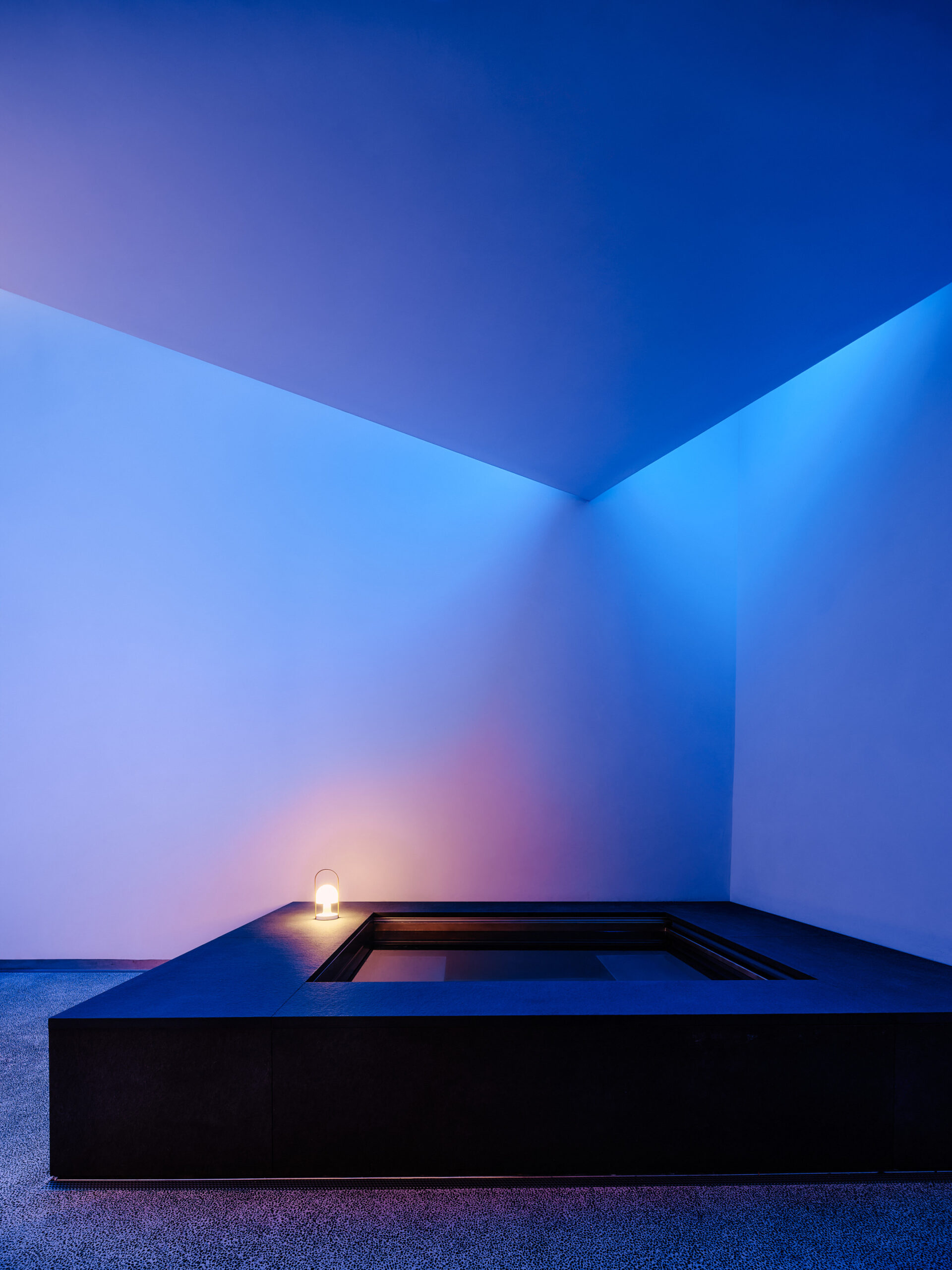
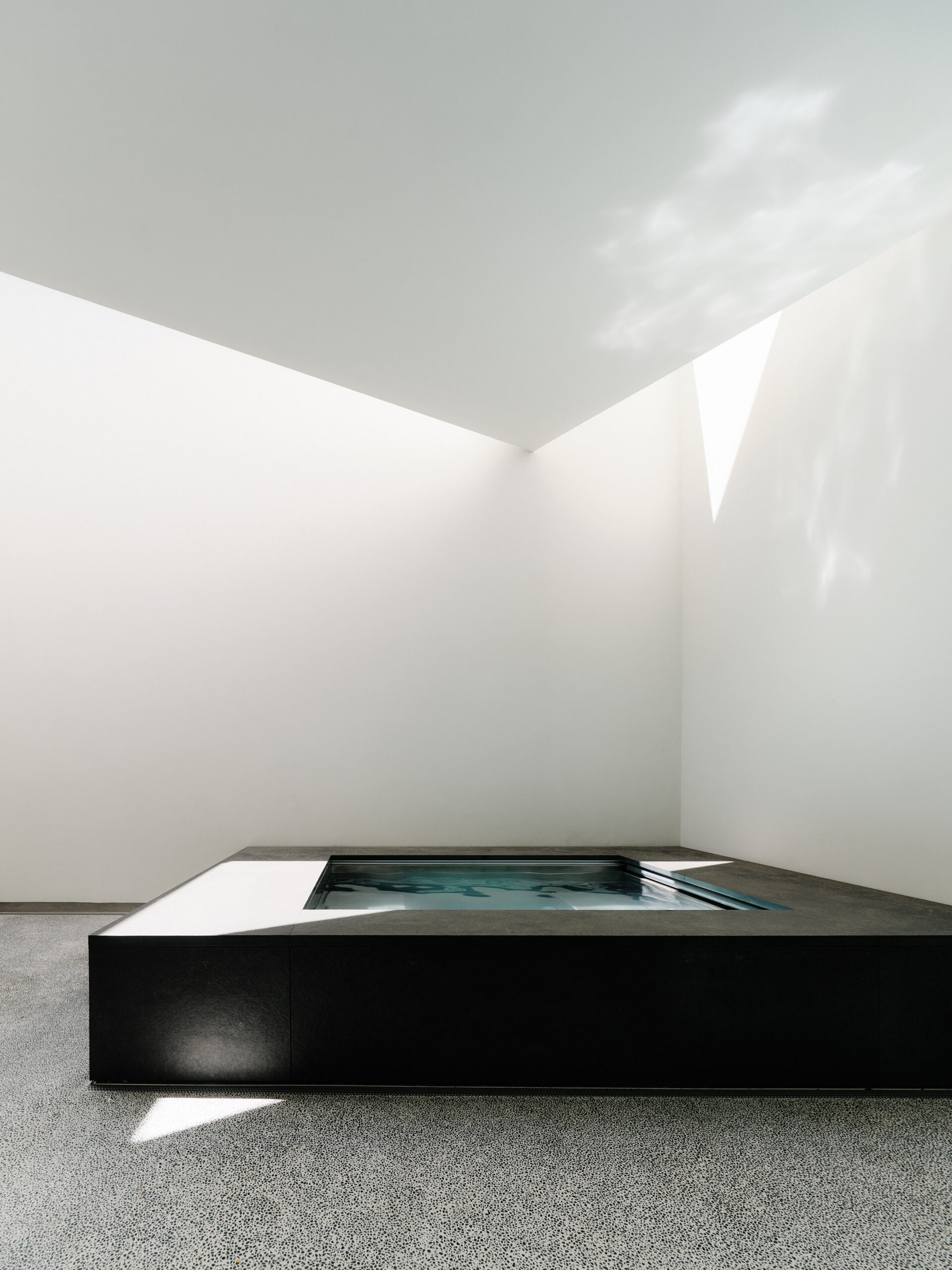
As the day shifts, so too does the residence. Follow the stairs down to the sunken courtyard where partially covered elements make the below-grade space go from a typically dark interior to a playground of light sculptures. An oasis cleverly reflects the shimmering surface of the water onto the protruding plane above it, equally casting the day’s rays around its volume. These surfaces also conceal LEDs whose color-changing effects create a transformative space at night.
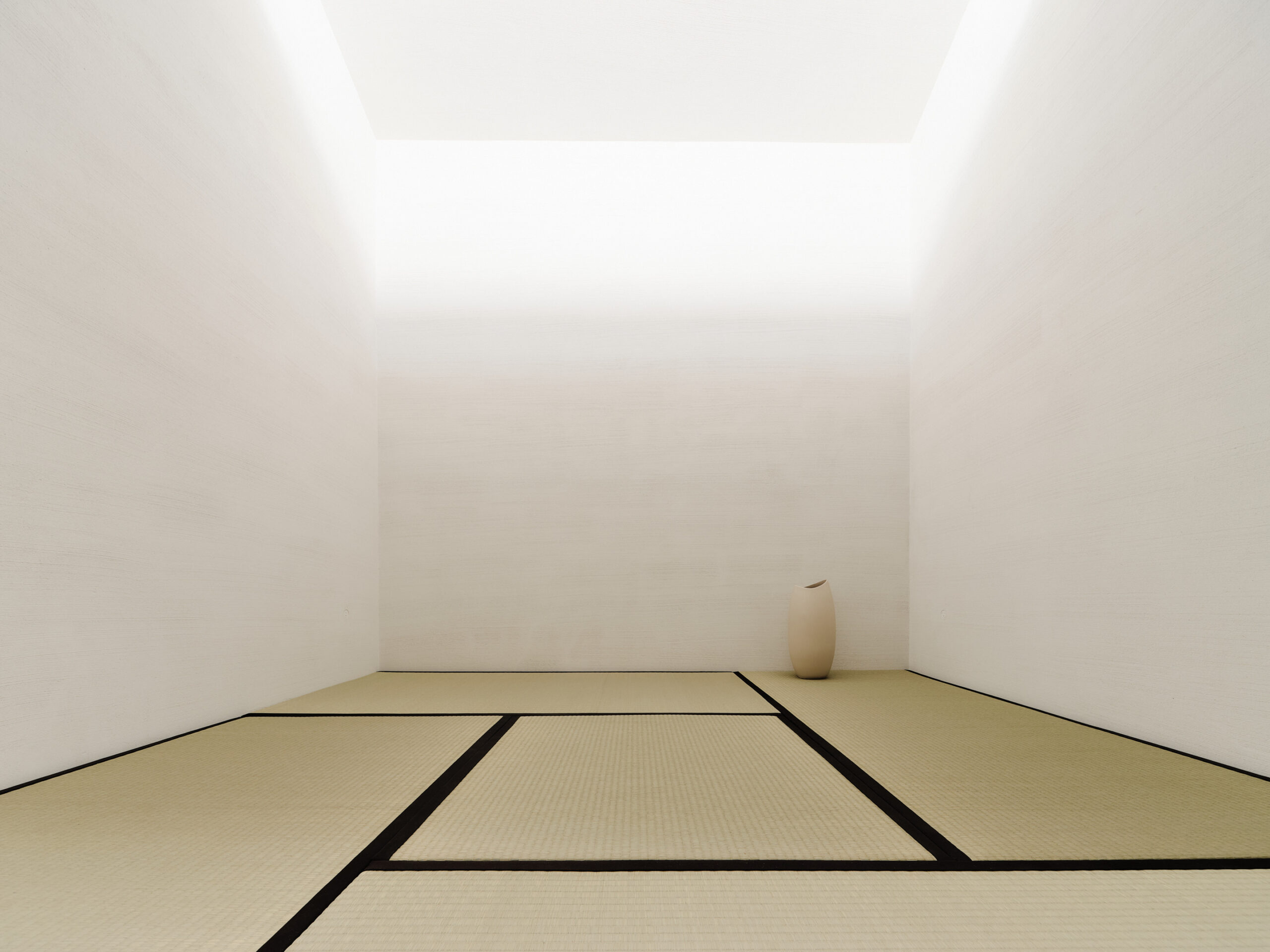
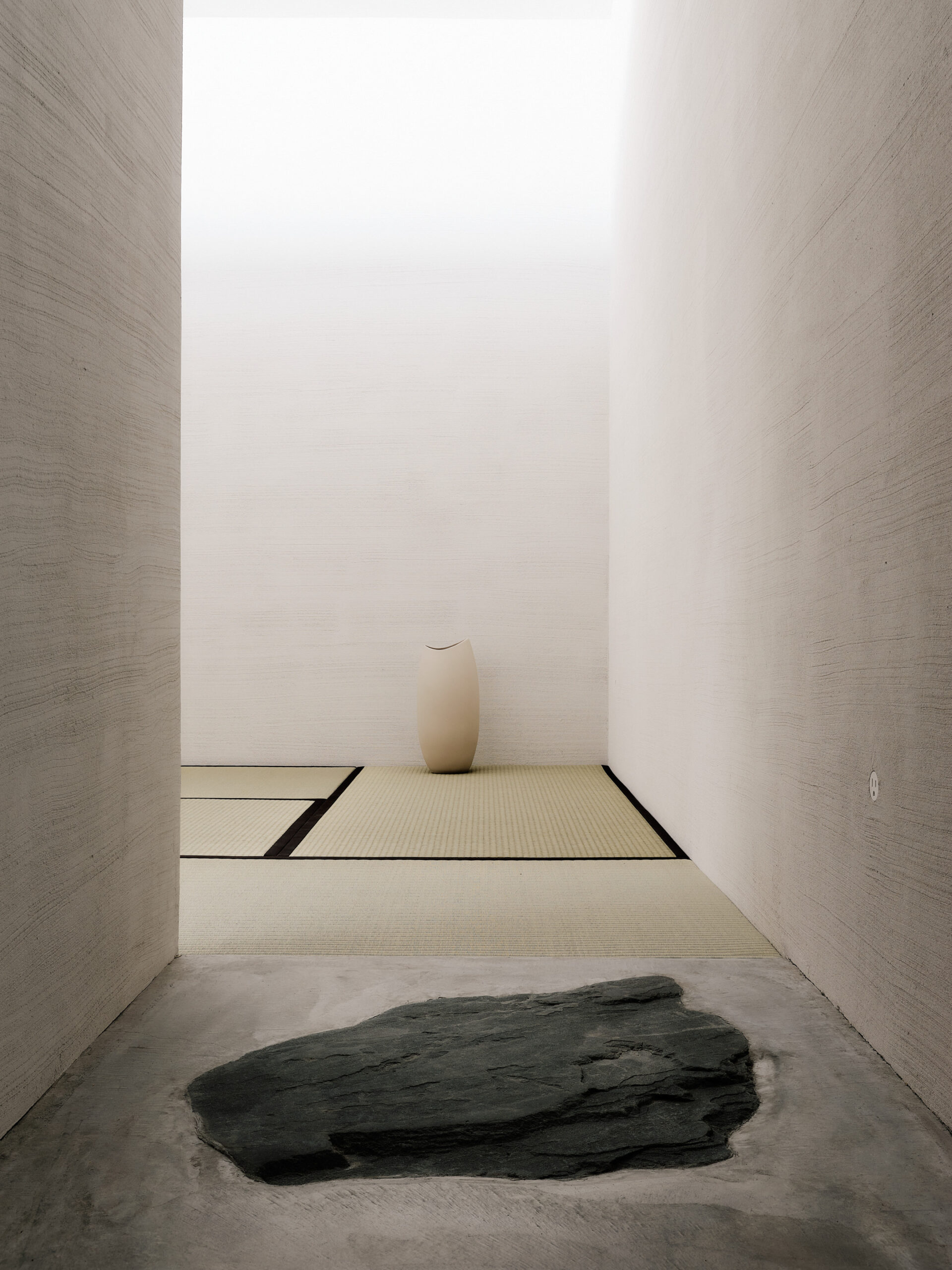
The bottom floor also houses the meditation room. Voids and interior shutters modulate radiance. A rock lies just before its entrance which Min described as, “a stepping stone set in the floor. It heightens the sense of threshold between the rest of the house and the meditation room. As you enter/exit the room, the stepping stone provides a textural change underfoot and a point of focus.” It’s yet another carefully considered detail in the spare, thoughtful sanctuary.