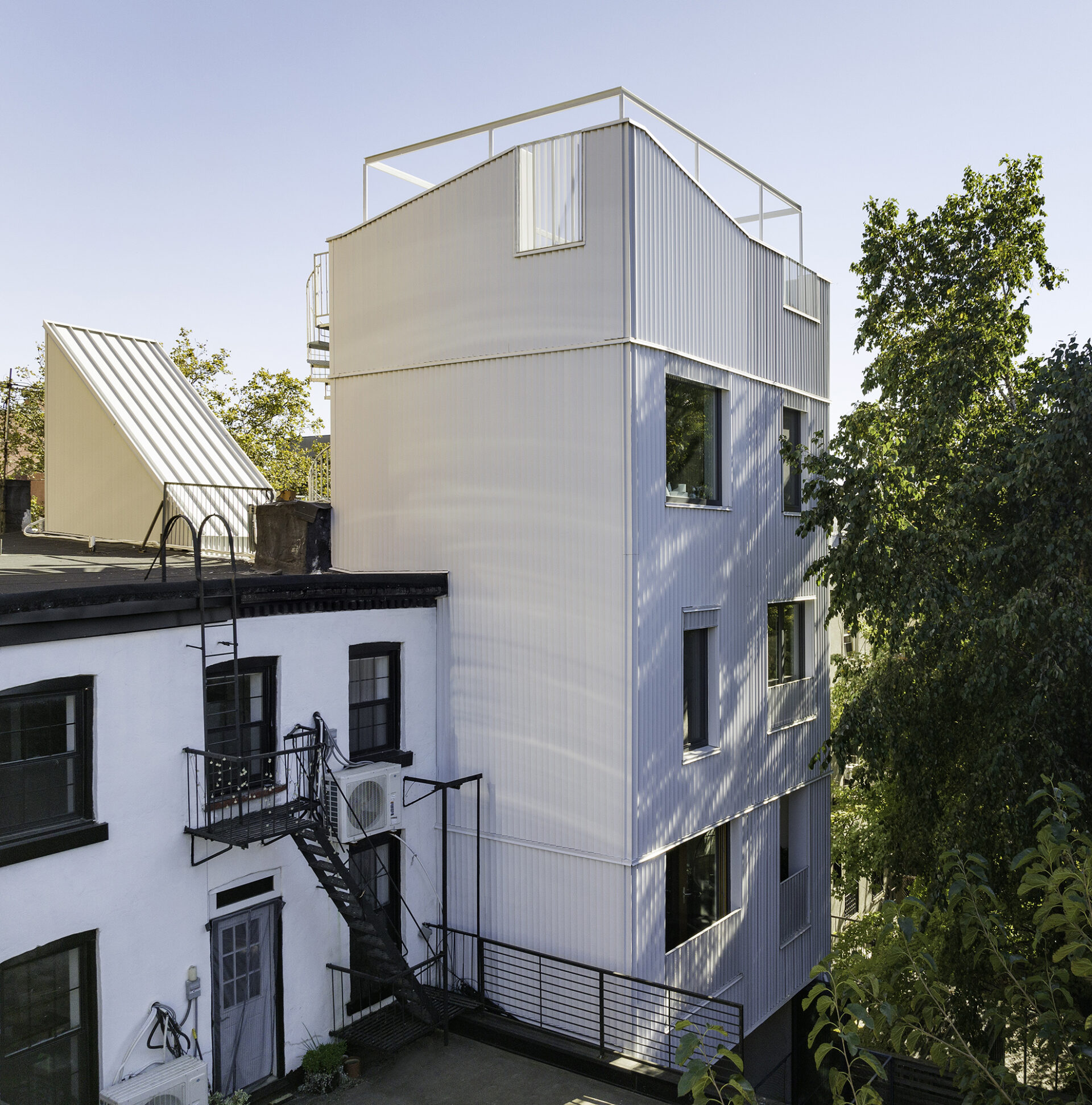
Designing multifamily housing atop infill lots in New York is a balancing act. On one end, it’s essential to program every square inch of available building area because, well, space is scarce here. On the other, it’s necessary to maximize natural light access for rooms far from windows with voids and openings that eat into programmable space, a dance that in recent years offices like SO – IL have mastered.
In Brooklyn, a new rear addition and renovation by MODU offers a case study for filling in what planners call “the missing middle.” Mini Tower One is a recently completed expansion to a Brooklyn brownstone by the New York office. The 3,500-square-foot project was completed in 2023, and just received a 2024 AIA New York Design Award. The addition added another 30 percent of square footage to the house, a build out that required just another 12 percent of energy usage because MODU used basic passive house principles to inform the design.
Upon completion, the existing building’s street facing facade remained intact while the volume that protrudes out from the back rises upward and is clad with corrugated metal, giving it a more contemporary look à la Frank Gehry in Venice Beach. A 50-foot-tall Birch tree anchors the backyard and an edible garden sits atop the roof. But despite the exterior’s ingenuity, enveloped in a super insulated facade, Mini Tower One’s intrigue happens indoors.
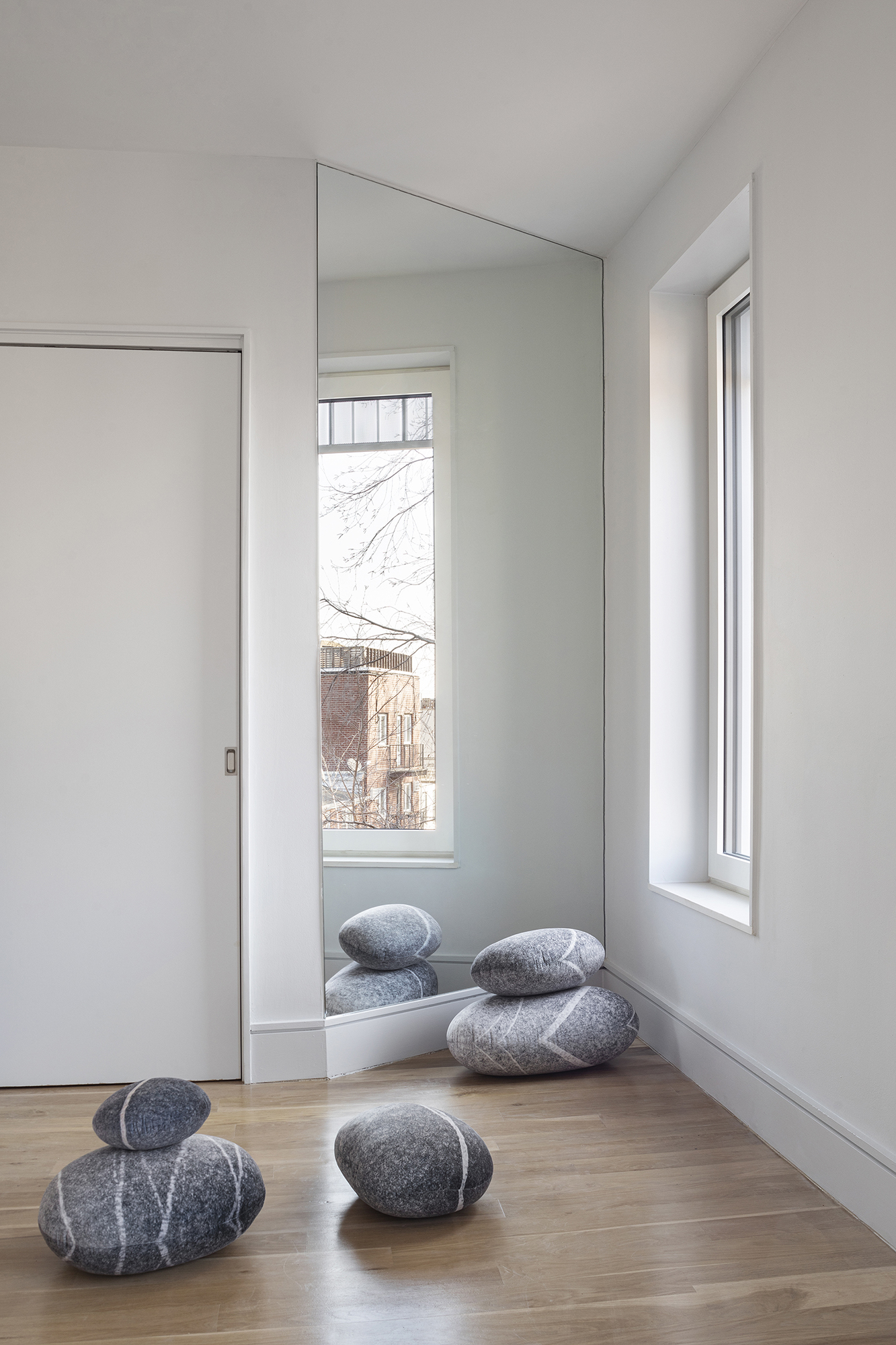
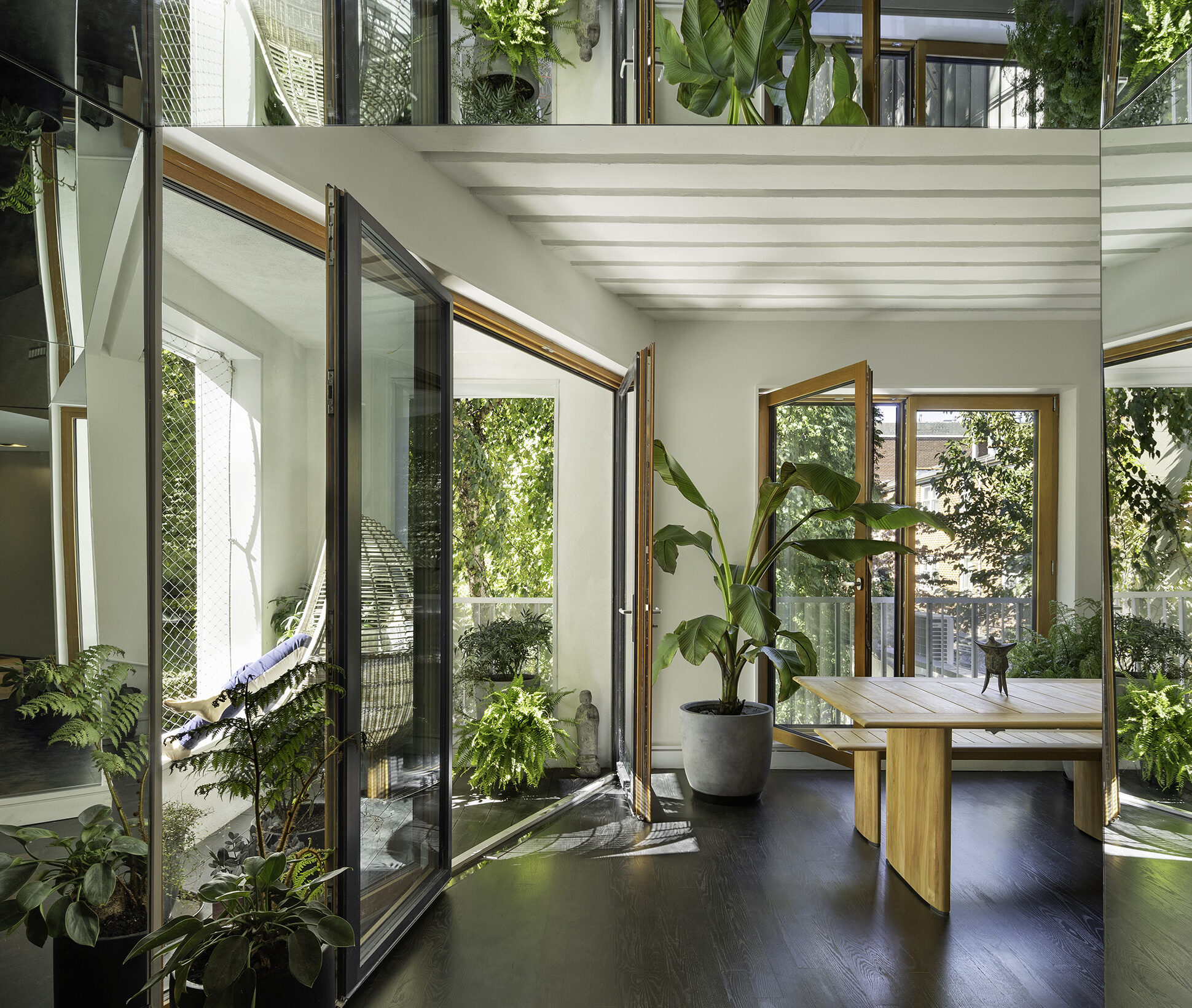
The design for Mini Tower One by MODU both adds space while creating a series of intricate voids inside the building, setting up intimate vignettes that connect deep floor plates with natural light and visual variety.
The bump out allowed each floor more space for amenities like an indoor terrace and an all-season room that can be enclosed to allow residents to watch the seasons pass. Historically it’s been difficult to simultaneously provide these indoor-outdoor spaces while achieving passive house certification. This juggling act is made possible by Mini Tower One’s super insulated facade that remains airtight during winter.
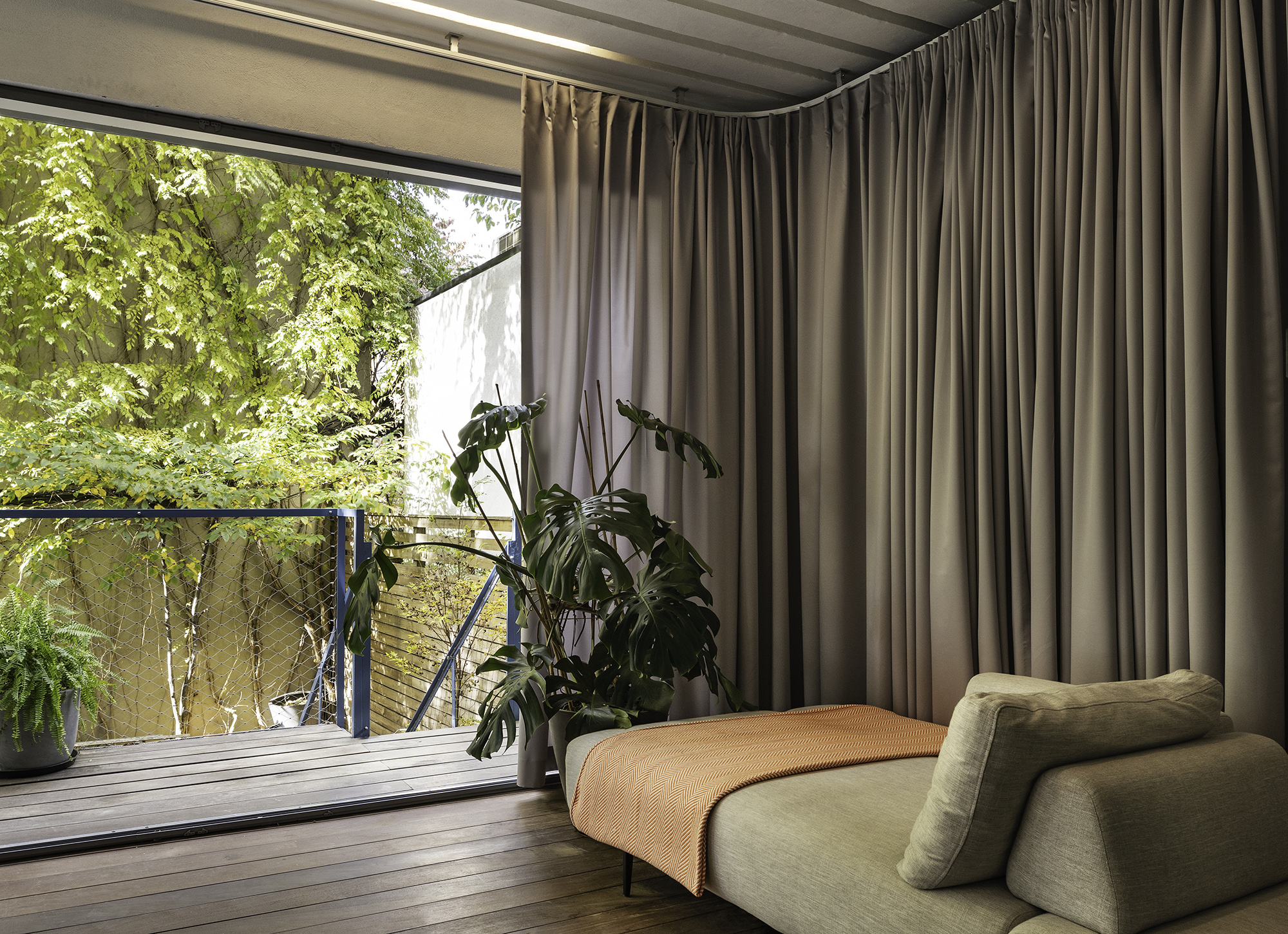
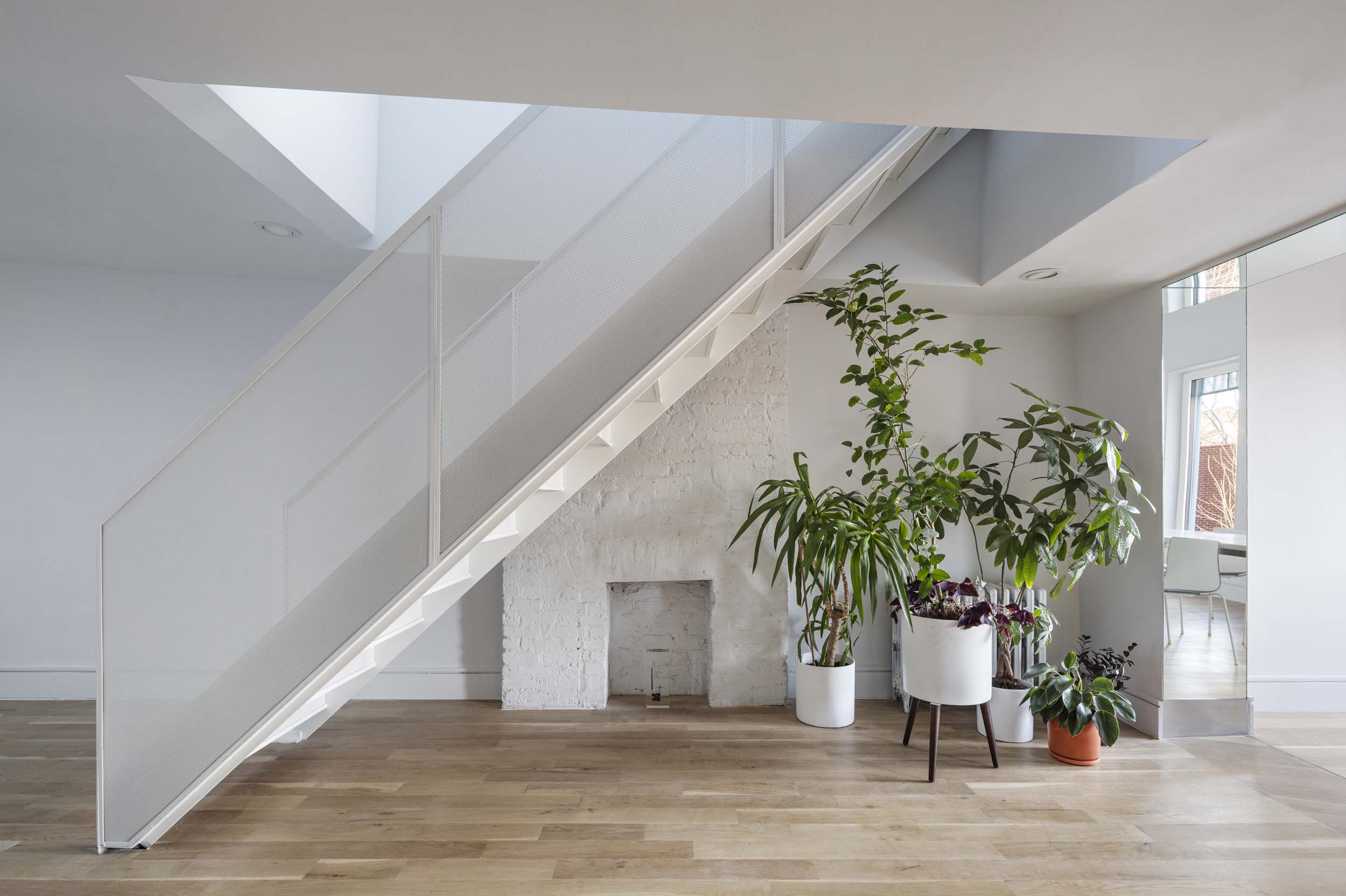
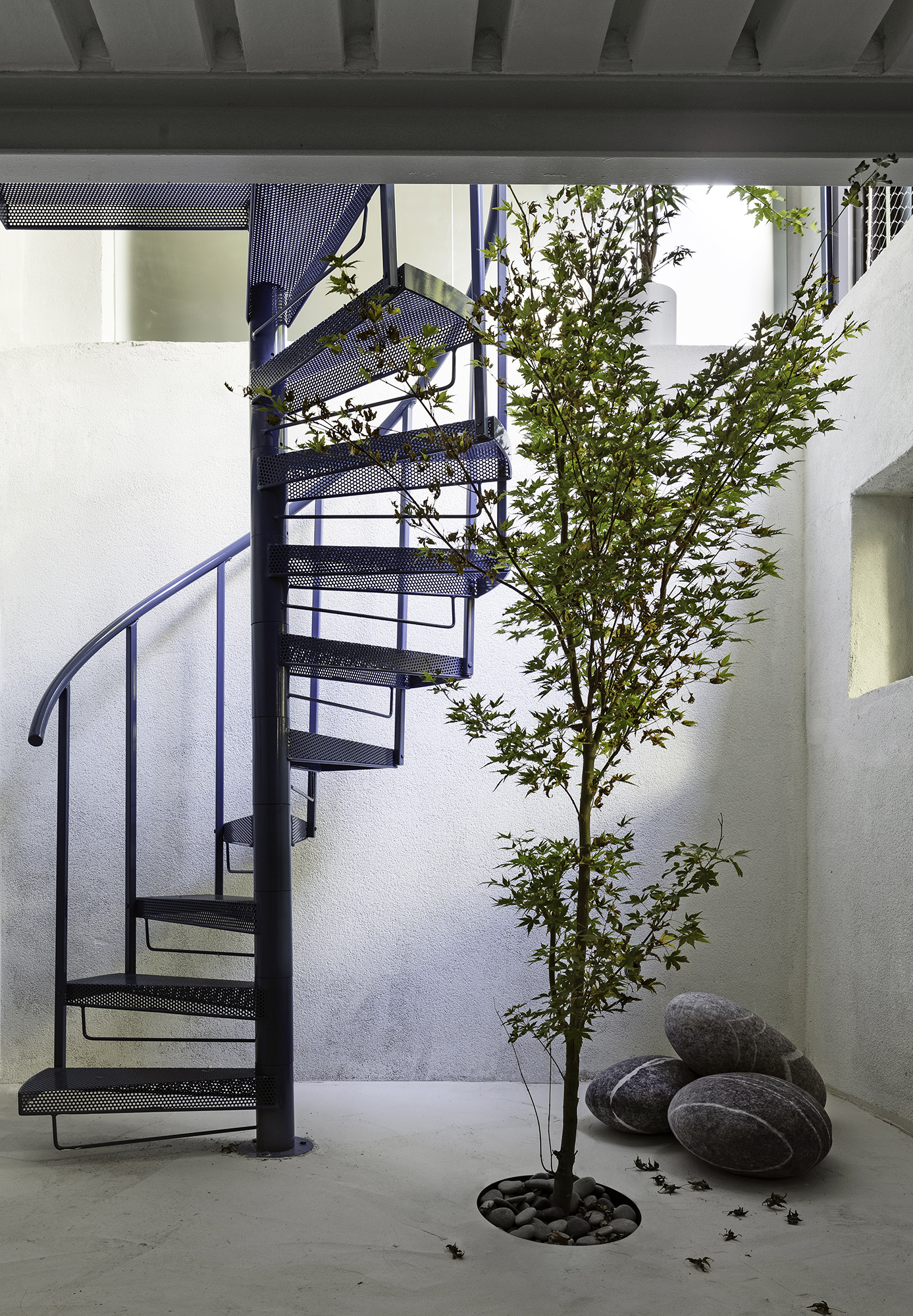
MODU specified white walls, mirrors, chic furniture, and wood floors and trims for the interior finishes. At certain places in the ensemble, natural rocks and plantings abound; design elements meant to connect with the edible rooftop garden and backyard Birch tree. Parts of the original brownstone are left exposed like the brick fireplace. Some hand railings are lacquered in a powder blue and use mesh as a balustrade, another industrial material that evokes Mini Tower One’s metal facade. A curtain that recalls Lily Reich’s textiles is found in the sun room overlooking the rear yard.

Looking ahead, MODU designers are eying similar infill lots in Brooklyn where Mini Tower One’s design approach can be replicated. The architects see real value in Mini Tower One’s design philosophy in that the project proved it’s possible to both maximize available FAR without requiring full demolition. Designers from MODU also noted that the application is particularly suited for areas undergoing rapid gentrification. “The developments are particularly suitable for properties with limited zoning height, insufficient structures, or unstable soil conditions,” MODU said.