
Located in Pesaro, Italy, Teatro Rossini is a theater that understood its architecture to be part of the performance. The horseshoe-shaped gallery, tiered boxes, and fresco ceiling—all hallmarks of its 18th-century glamor—are no doubt as dramatic as what has and continues to grace the stage. Rossini dates back to 1758 when the main parts of the gallery were first built and designed by Ambrogio Petrocchi. It was later completed by Antonio Galli Bibiena.
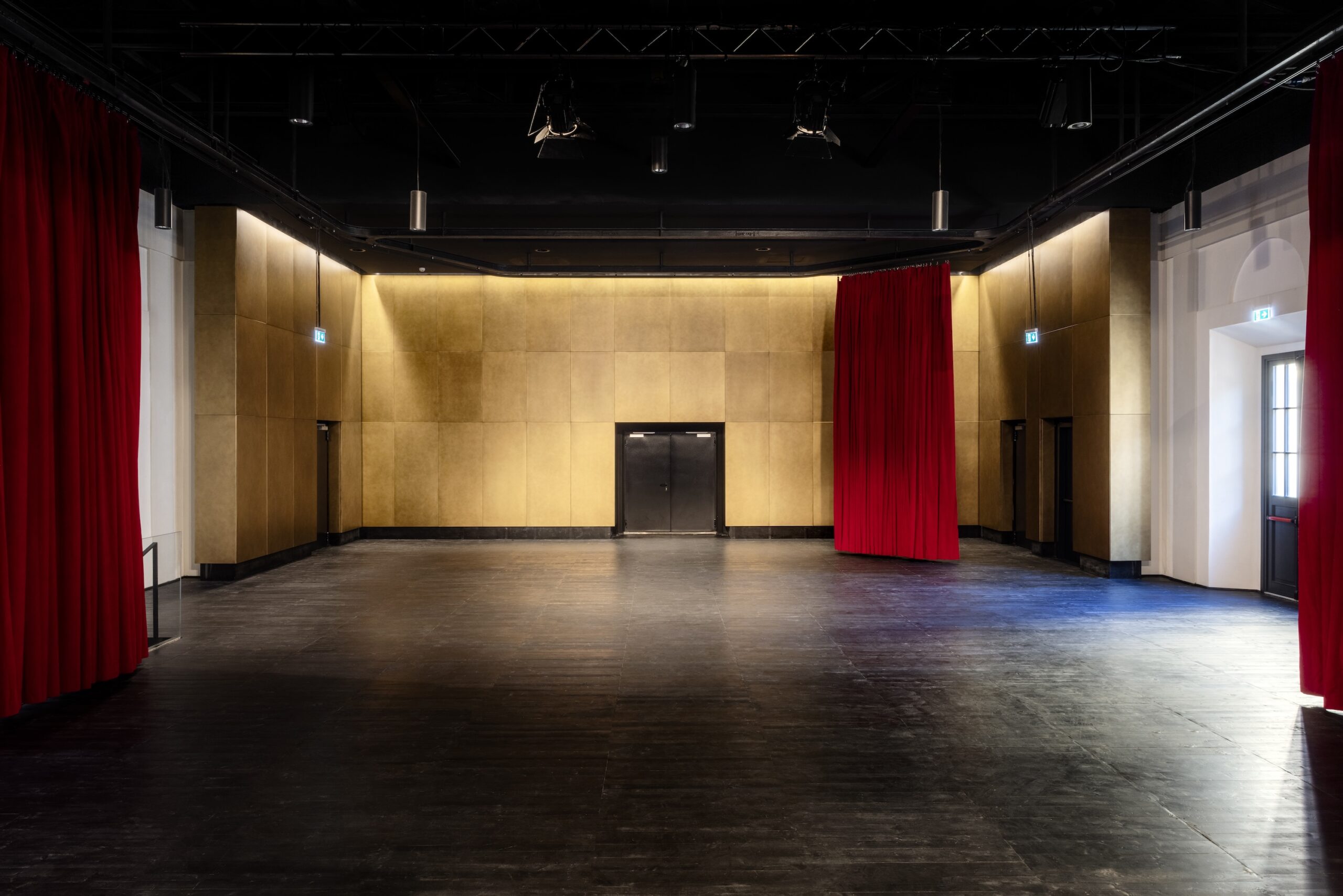
The theater has been extended and renovated through its time but the latest addition comes at the hands of STARTT, Simone Capra, Claudio Castaldo, and Dario Scaravelli’s studio of architecture and territorial transformations. The project, titled FLEXI, is conceived of as a “theater within a theater”: a new dynamic performance space that can be easily reconfigured to match the dance, drama, concert or other performance, as well as accommodate community gatherings.
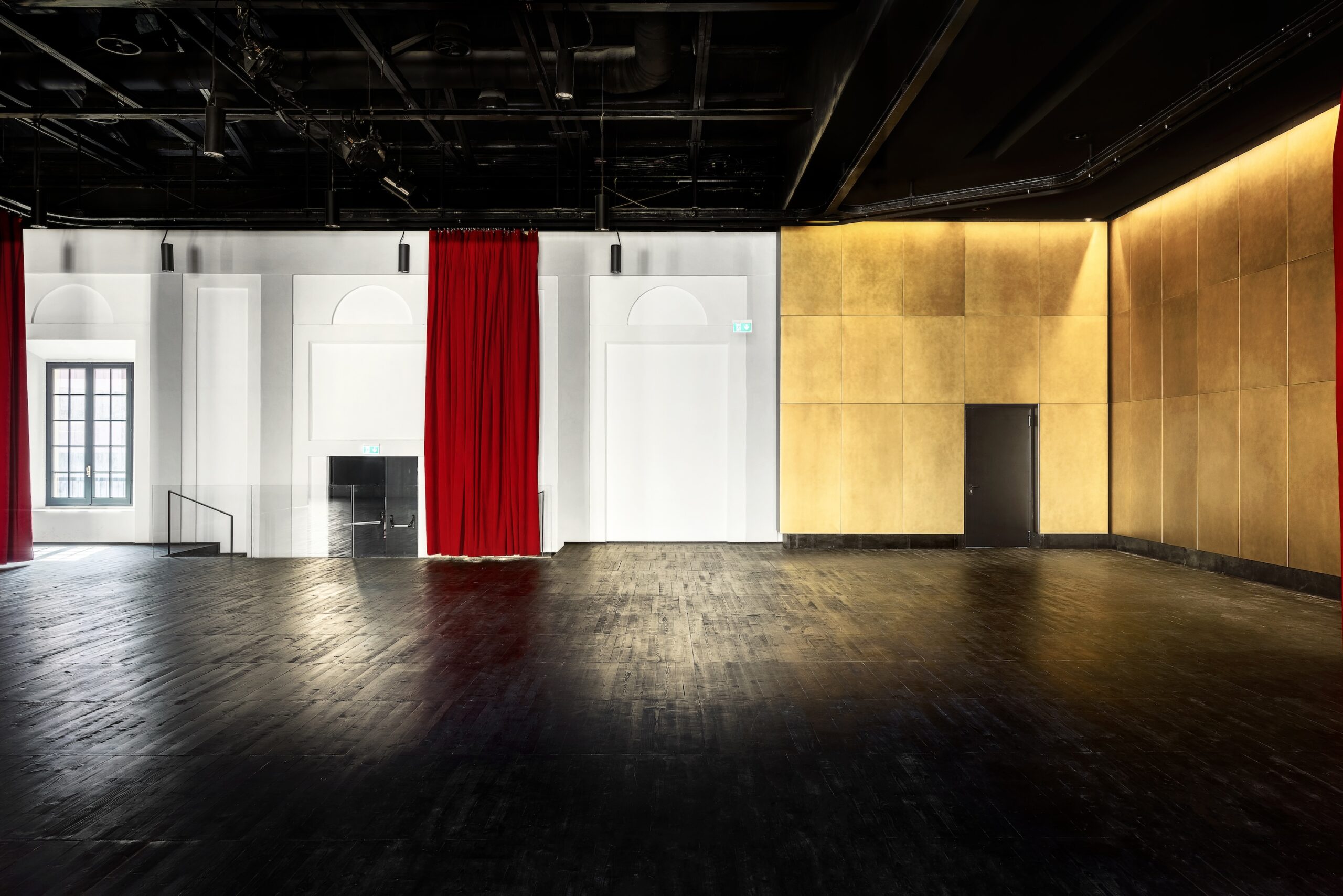
The ridotto is located on the first floor within the theater’s expanded Sala della Repubblica. The space was previously defined by central pillars organized across three levels. STARTT transformed the volume by removing the pillars and a portion of the original structure that was in line and adjacent to the opera’s theater hall, to create an open plan that dissolves the boundaries between stage and audience.
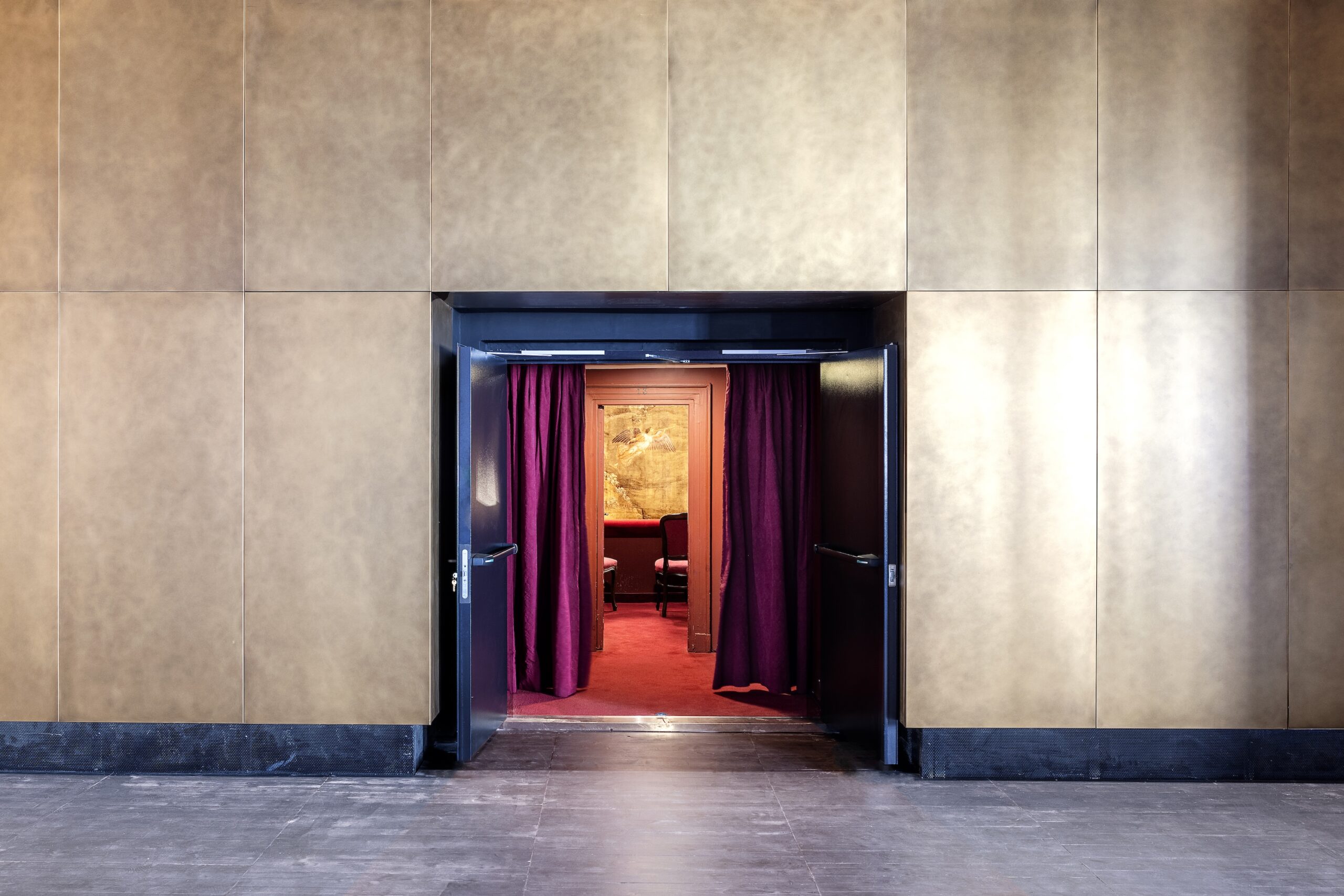
While subtraction of the structure was key for the layout of the space, preservation also guided the design. To remember the original, and now erased, 18th-century facade, the architects erected a wall clad in large gold panels. It simultaneously recalls the lost element in Pesaro’s urban fabric and conceals technical and mechanical systems—all while functioning as acoustic insulation.
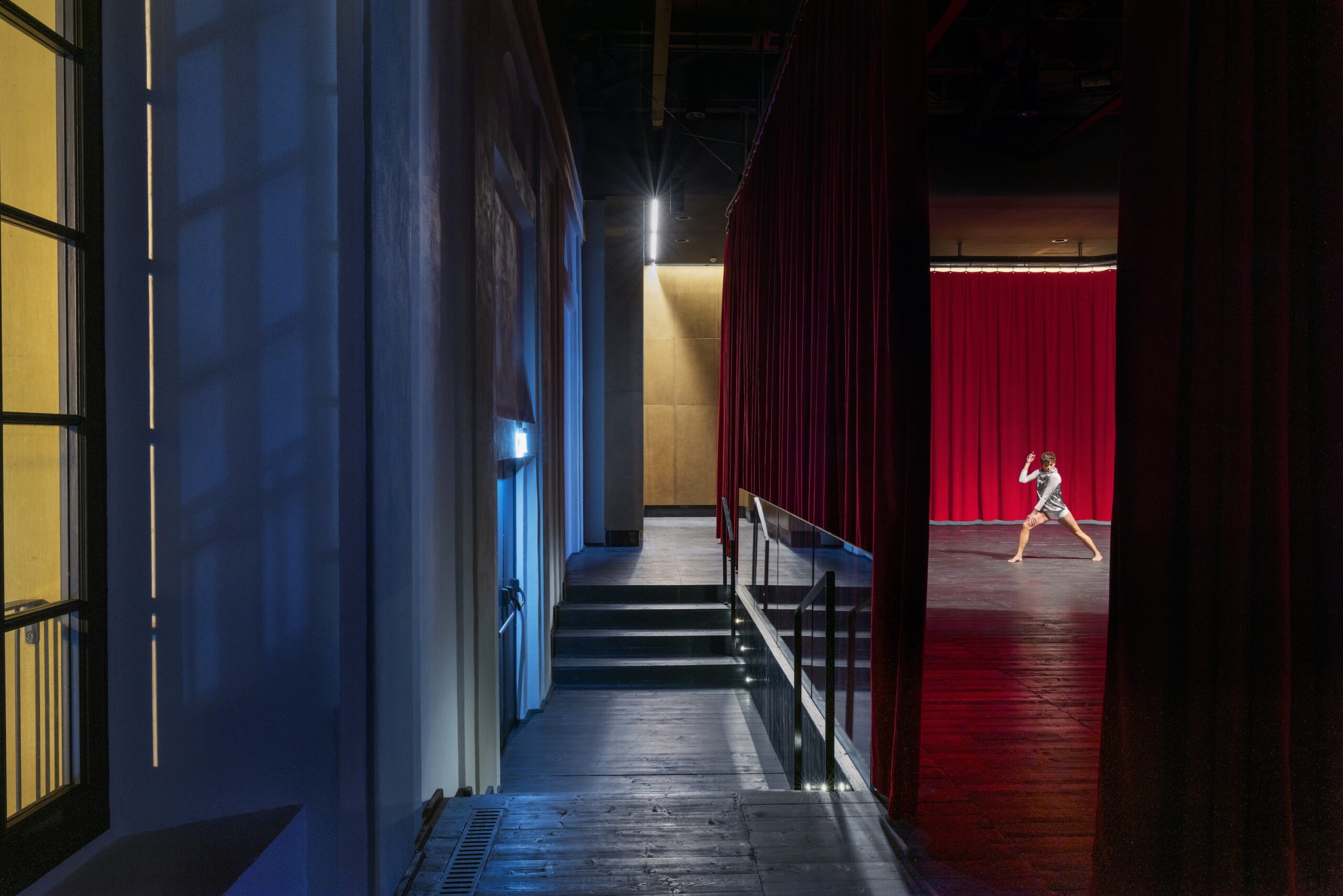
Across the space, the golden walls transition into a series of lunettes and pilasters, another feature of the historic structure that has been lost over time and through numerous iterations. The white and golden walls stand out among the flooring: pine wood painted black on a framework of joists. From stage to seats, the floor elevation remains even to further break down the barrier between performer and audience. Instead, the architecture makes a fully immersive and intimate performance possible.
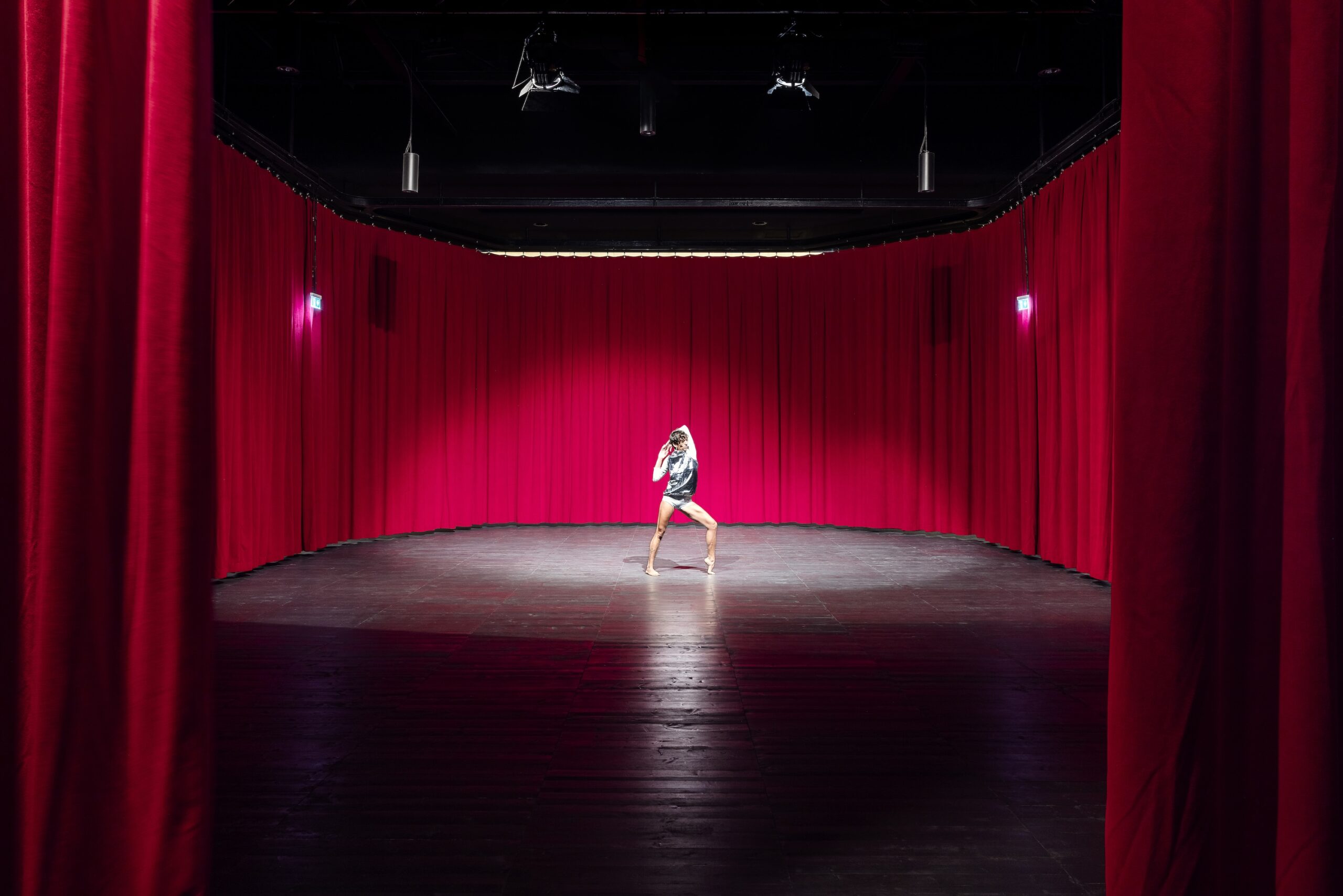
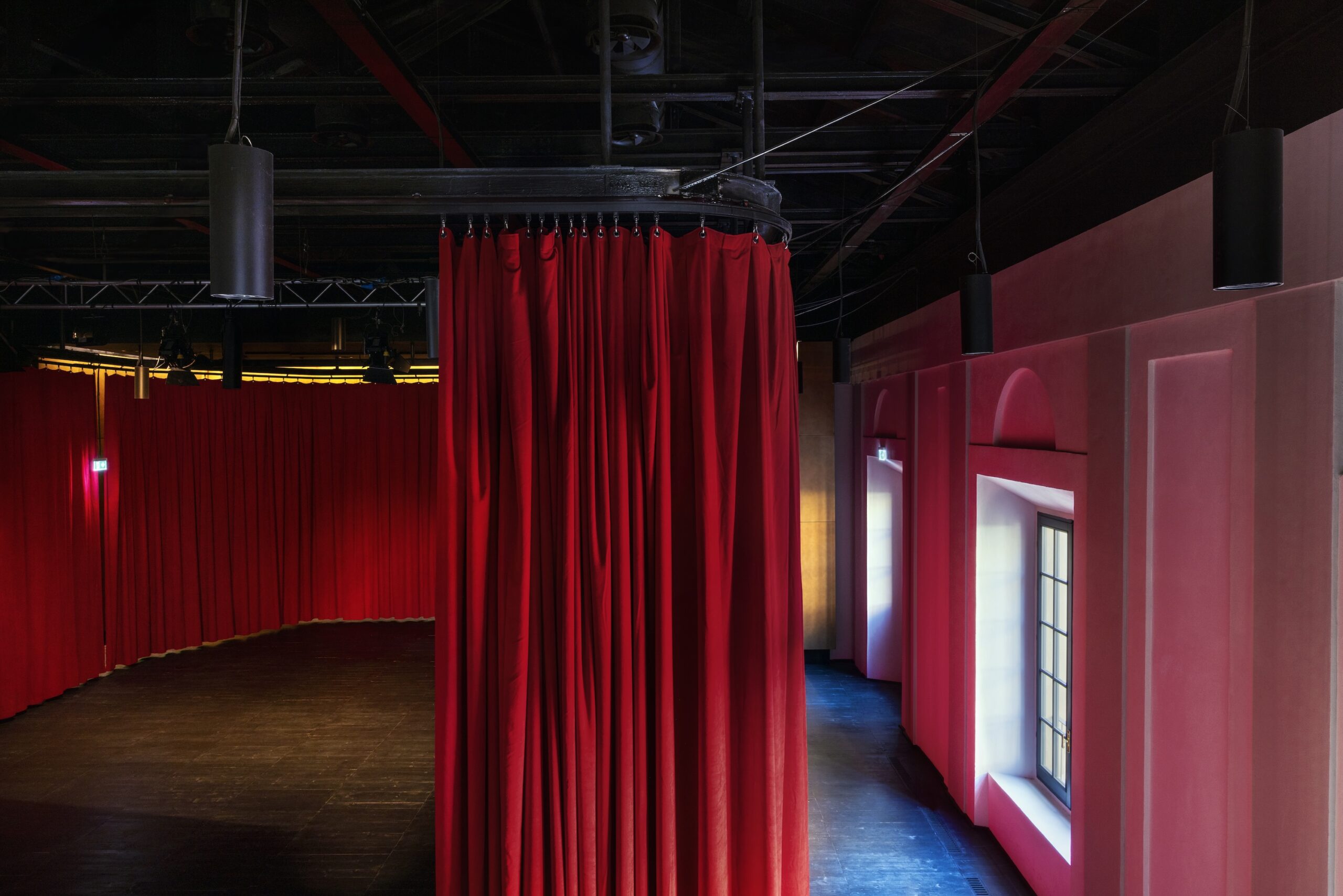
This is truly encouraged by the project’s central element: a movable textile wall that can fully enrobe the stage and audience. The system consists of a double layer of fabric that glides along a track affixed to the ceiling. Capable of fully closing off the space, creating sectioned zones or remaining fully open, the curtains offer the performance a way to engage with the surrounding architecture. It also creates unconventional ways for the performer to engage with the audience. One can imagine actors using FLEXI for dramatic reveals, or a whimsical performance playing peekaboo with the audience via the curtain system.
As the city continues to revitalize its distinct elements like the historic center in the northwest quadrant (which STARTT is also working on), the ridotto continues Teatro Rossini’s dialogue between theater and performance, while paying tribute to the structure’s historic elements.