This year AN Interior published two print issues, iterated and shared new graphic designs, won a gold medal in the Trade/Brand/Educational/Institutional category from the Society of Publication Designers, hosted an issue launch with Studio Loutsis, released its annual Top 50 list of architects and designers, and by the end of the year, will publish 181 stories online. It’s been a busy and big year—and 2025, the year that will mark the 10th anniversary of AN Interior, promises to be even better.
But before toasting to a new year, let’s look back at the projects and principles that inspired 2024 and uphold the standard for 2025. Here are AN’s favorite interiors covered this year, either online or in-print, that innovated on materials, delivered a unique design vision, and made us consider how spaces are shaped by politics and policy—and what architects can do to help aid what falls between the cracks.
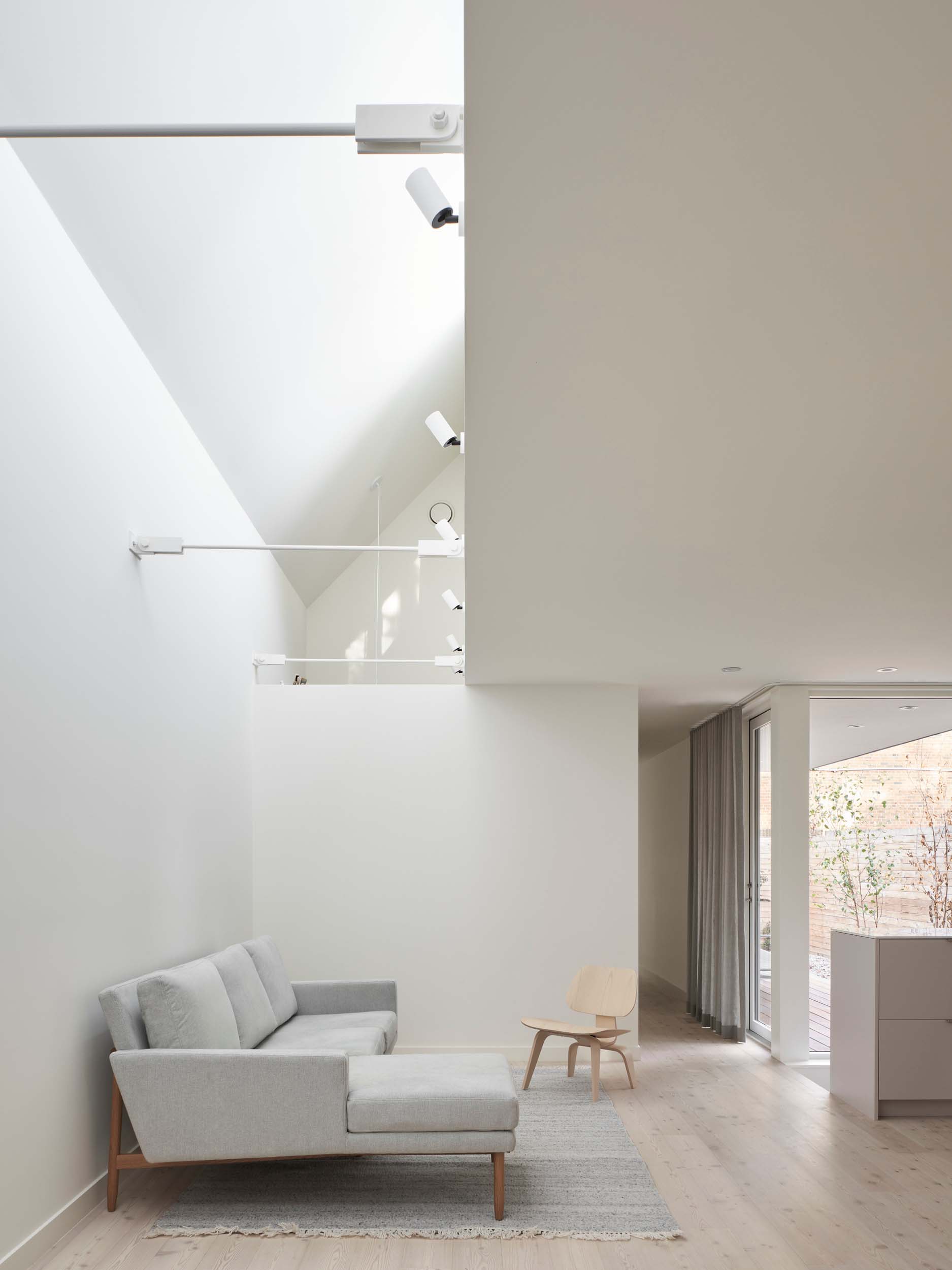
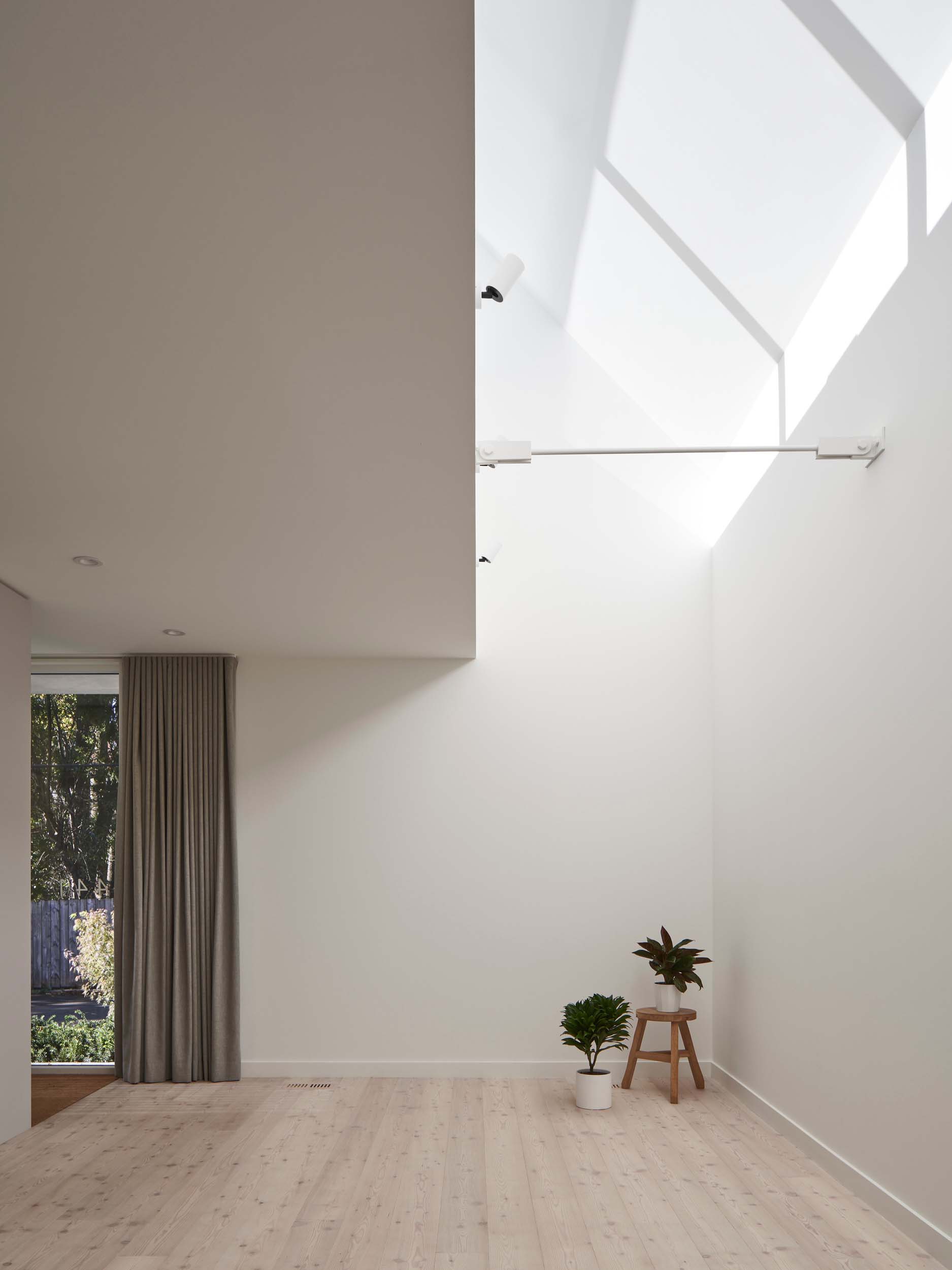
Anya Moryoussef Architect retools a cottage for independently aging in place on a budget
The demands of the real estate market can often chafe against the creative goals of architects, especially when it comes to smaller firms. In Toronto, this is keenly felt, where the marketability of designing homes for the nuclear family dominates residential projects, generating more of the same high-rises and single-family homes.
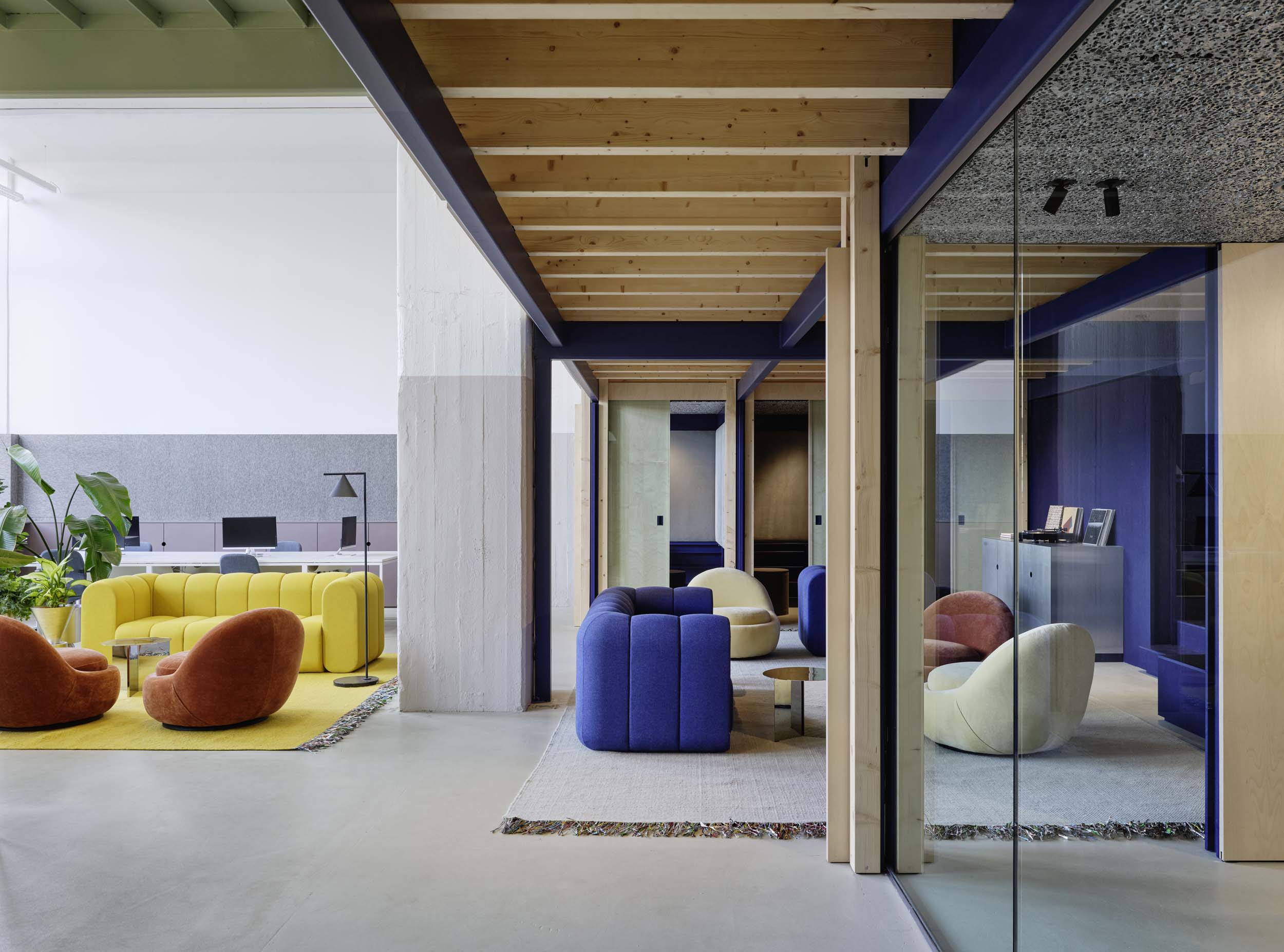
Ester Bruzkus Architekten unites acoustical efficiency and a calm interior for Relaxound’s office
For a company that designs for relaxation, the workplace needs to reflect this ethos and feel like a natural extension of the office culture. Relaxound designs small musical boxes—inspired by birdhouses—that introduce the relaxing effects of audio therapy. So when the company tapped Ester Bruzkus Architekten (EBA) to design their new Berlin office space, the designers knew they wanted to invoke the same values of calm and collective community.

Baracco+Wright Architects realizes a light-filled, teardrop-shaped back building in Melbourne
Glass blocks were put to impressive use in Outbuilding, with Deep Garden: a small project by Baracco+Wright Architects that adds a small back building behind a 1980s, concrete-block house designed by Ross Perrett in Melbourne, Australia.
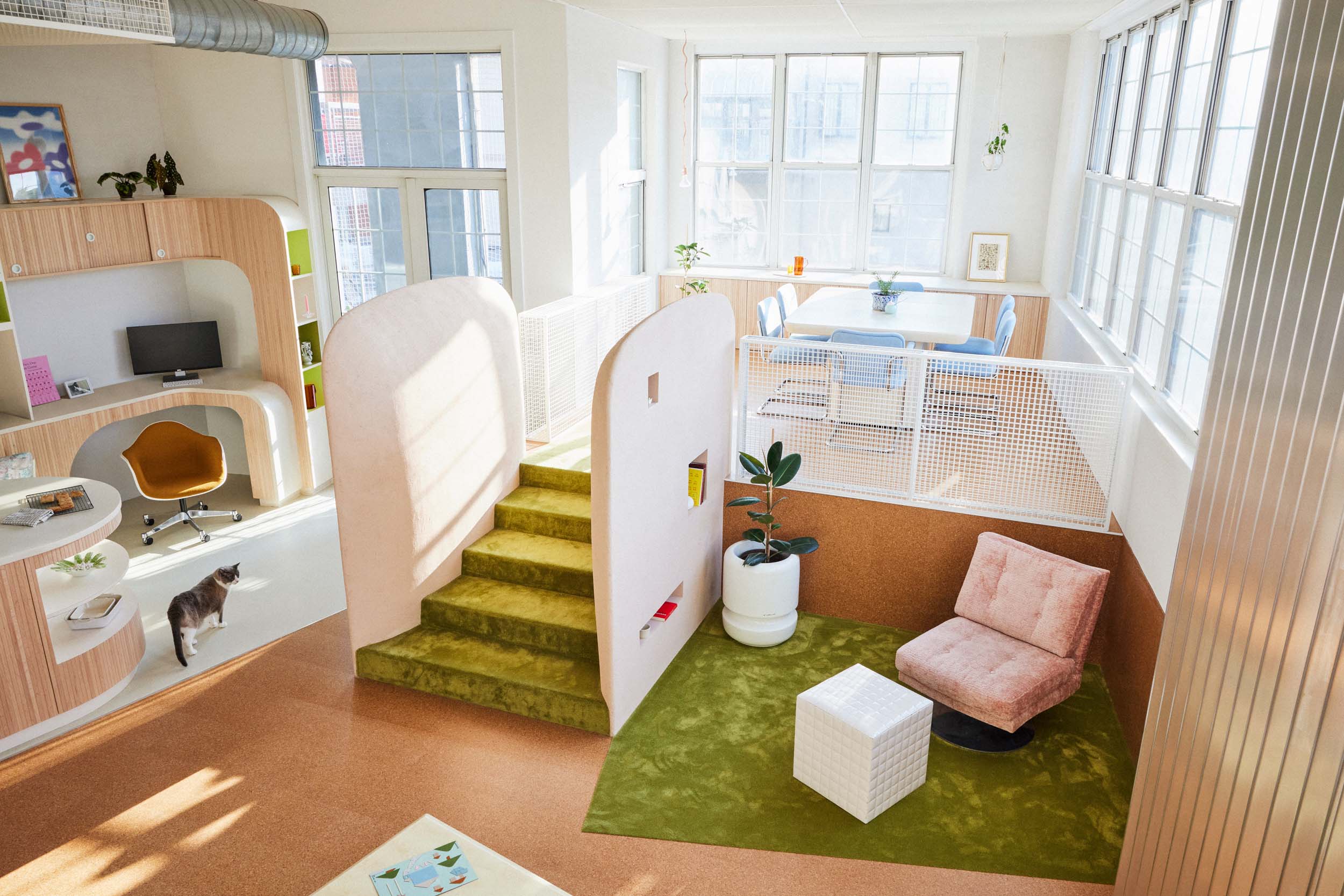
Almost Studio applies urban planning to Myrtle Ave Loft’s design
Typical layouts for New York lofts tend to be open and flexible to accommodate as many functions as possible within a tight space. Almost Studio’s Myrtle Ave Loft in Brooklyn’s Bedford-Stuyvesant neighborhood opposes that. Located in a former 1947 chocolate factory, the 1,200-square-foot apartment goes against the grain, using materiality to define distinct zones while maintaining an open feel.


In Hong Kong, Beau Architects strips back a tenement house to unveil art gallery Kiang Malingue
At 10 Sik On Street in Hong Kong’s Wan Chai district architect Gilles Vanderstocken and his wife and partner Charlotte Lafont-Hugo have converted a modest residential building into a permanent home for the art gallery Kiang Malingue. It brings together the two specialties of their studio Beau Architects: adaptive reuse and exhibition spaces.

Neri&Hu designs a comprehensive spa complex for those looking to unwind outside Hong Kong
China’s southernmost point is the Hainan Island province, whose tropical climate has made it a go-to vacation spot. The burgeoning “Hawaii of China” inspired a large insurance company to build the sprawling Sanya Wellness Retreat on the island’s Haitang Bay. The company enlisted Shanghai-based Neri&Hu Design and Research Office. But when the architects arrived at the site, they found that the supposed beach resort is not … on the beach.

Pršić & Pršić transforms a vernacular New England home into a new kind of coliving community in Rhode Island
Housing continues to confound the American dream: Costs are rising, new homes are getting smaller, and families are shrinking. Yet little by little, many communities are realizing the benefits of coliving as a way to share costs and resources. In Providence, Rhode Island, Pršić & Pršić, a multidisciplinary design office led by partners Almin Pršić and Cara Liberatore, recently completed the renovation of an older Victorian-style mansion into a space for two families.
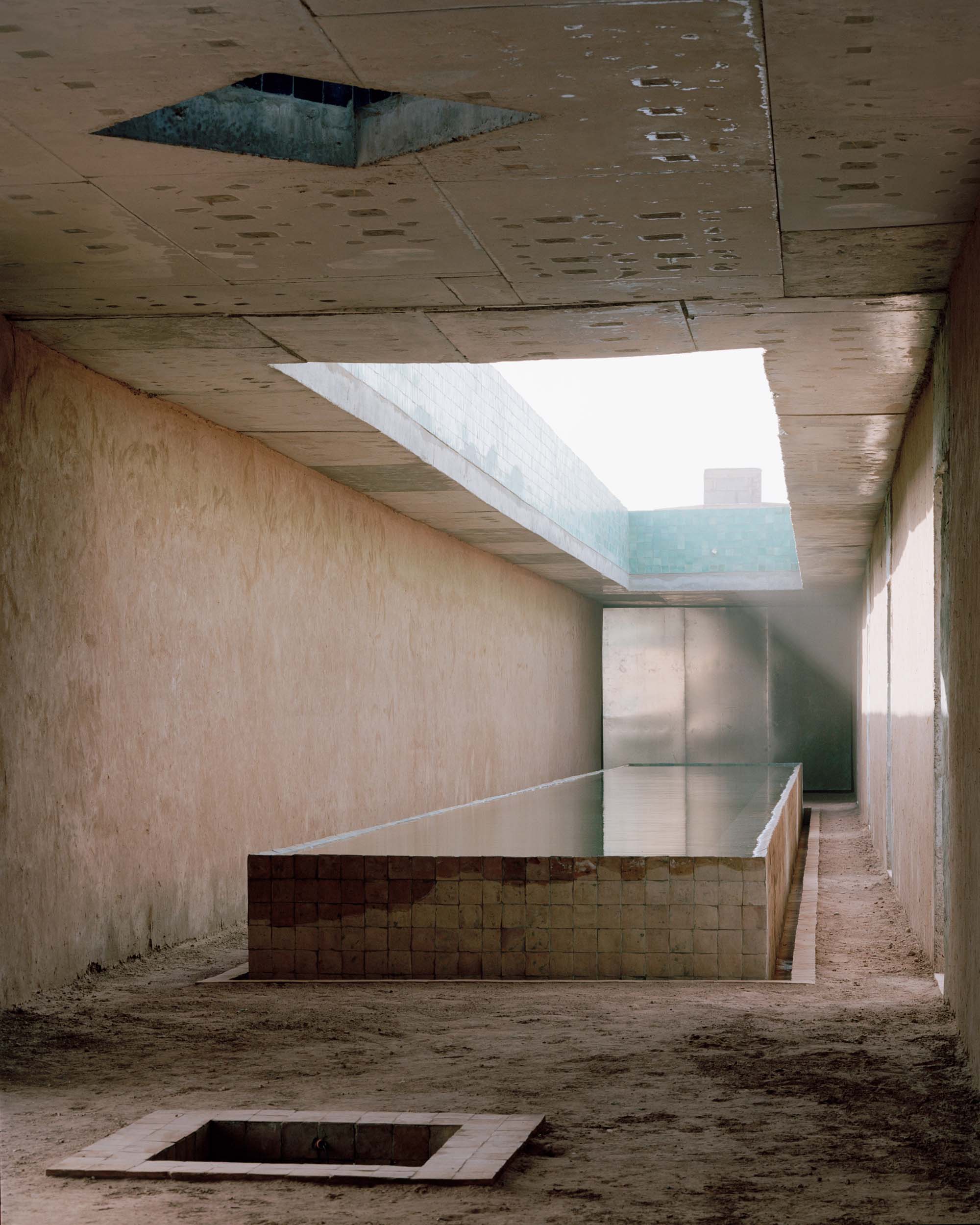
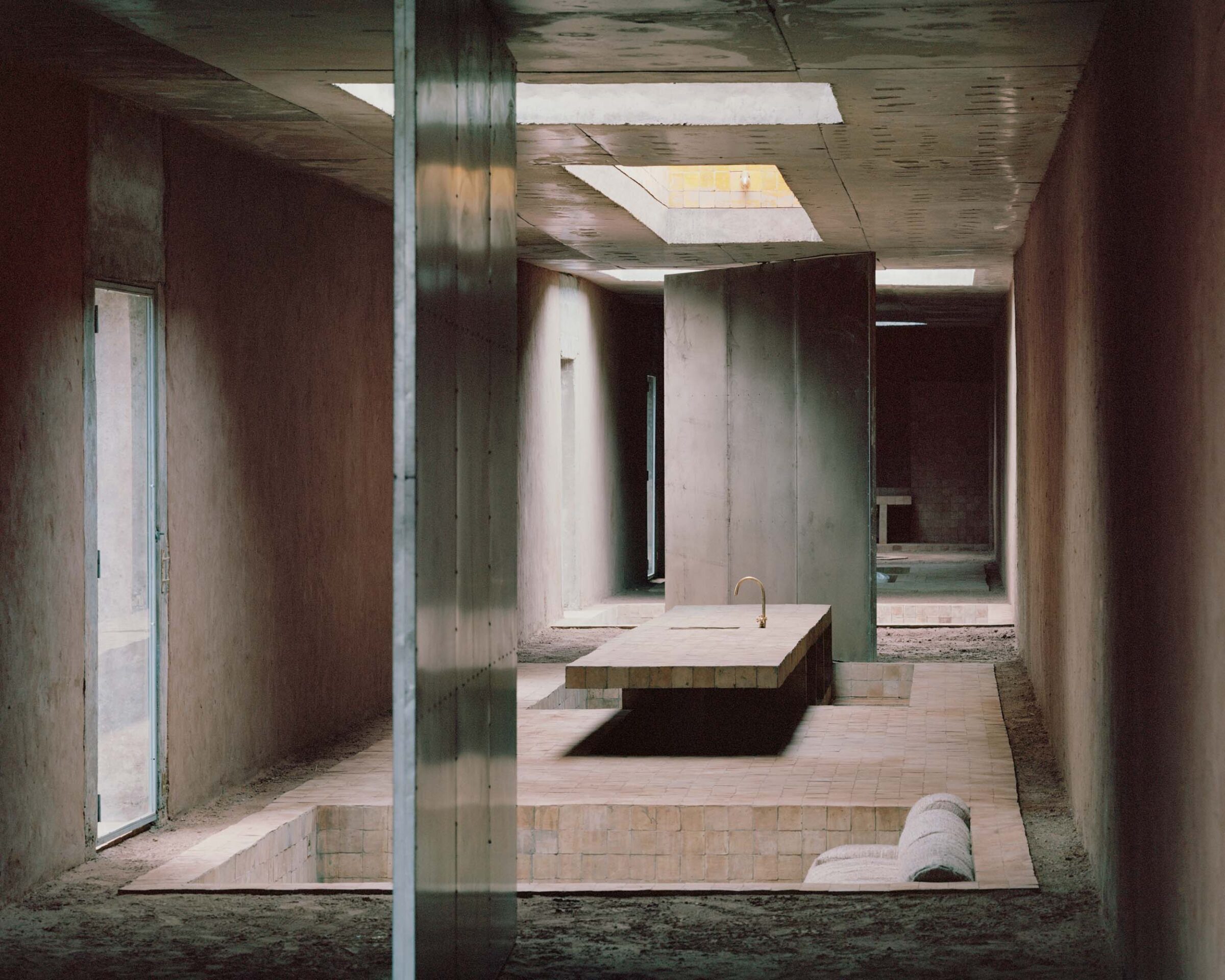
Leopold Banchini Architects’s Dar El Farina relies on sun, soil, and water in Morocco
From afar, Dar El Farina practically blends into the flat, desert-like plateaus of Al Haouz, a province in the central part of Morocco. Its linear volume and rammed earth walls blend into the textures of the beige landscape. If it weren’t for the various structures on its roof—stepped, circular, and rectilinear volumes perched atop the residence like its own city skyline—the house would be easily missed at a distance. Leopold Banchini Architects and local architect Sana Nabaha designed Dar El Farina as an off-grid house that is part of the land physically and aesthetically while standing out against it.
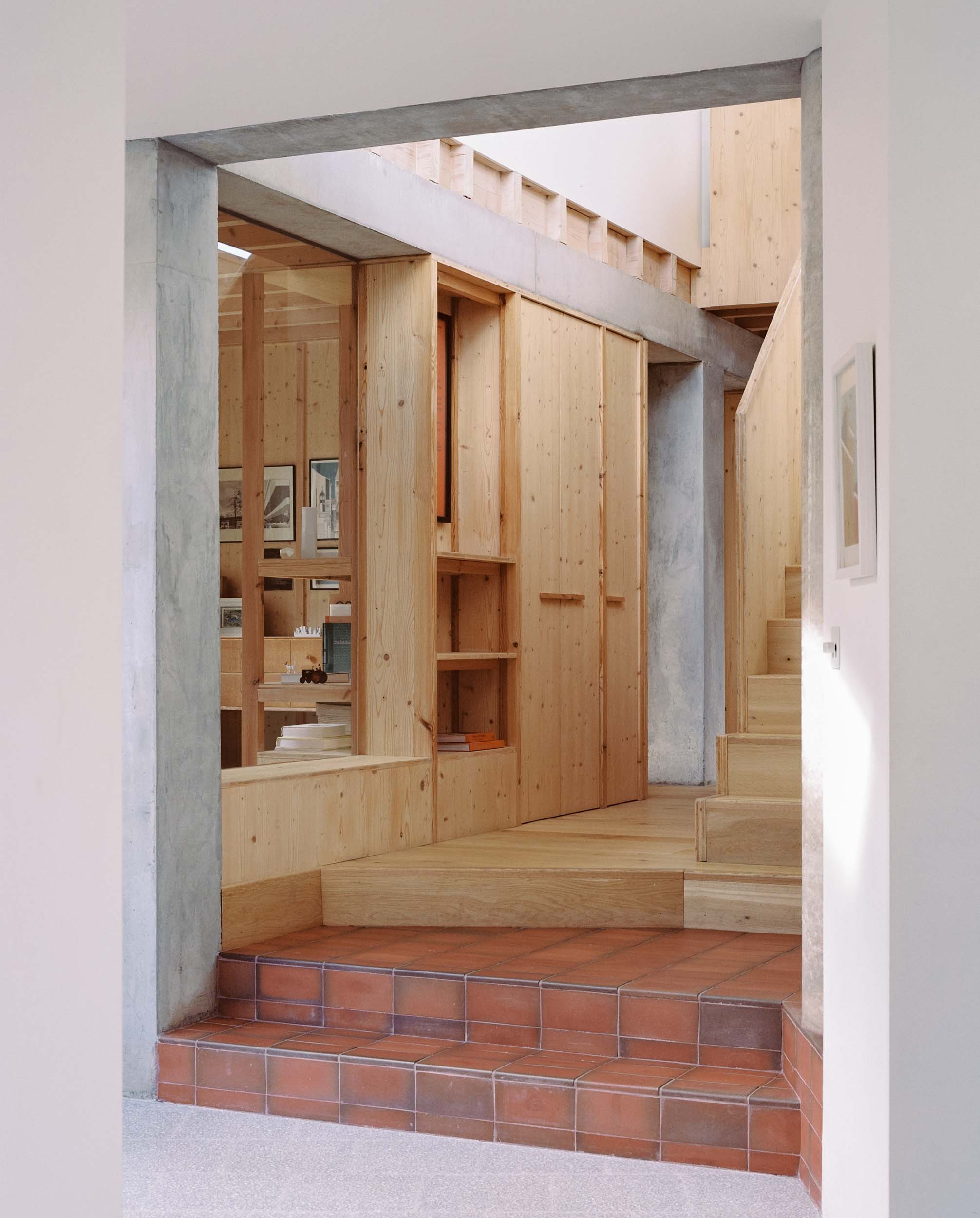

Six Columns, a home by 31/44 Architects for cofounder Will Burges, is raw and warm at once
Ruins have long been a capital-R Romantic source of inspiration for architects. The formal references and physical spolia of prior epochs often serve as the inspirational building blocks for tomorrow’s architecture. Lately, one contemporary flavor of this inspirational search has flourished among British architects who generationally follow practices like David Chipperfield or Caruso St John and among whom the legacy of figures like Louis Kahn still lingers. Here a sense of solemn spatial expression is joined with a still-life appreciation of domestic messiness and the tightening belts of the U.K.’s climate goals. One of the best expressions of this sensibility is Six Columns, a ground-up home designed by Will Burges of 31/44 Architects for his family.

Sam Jacob Studio delivers studio space for Kent School of Architecture that references architectural history
The medieval city of Canterbury is steeped in history, at the end of ancient pilgrimage routes in the southeast of the U.K. The spires of Canterbury Cathedral tower over the tightly wound streets of the city center, but two miles northeast of the cathedral is the University of Kent. Designed by William Holford in a pared-back Brutalist style, the Kent School of Architecture is now the center of a campus that has sprawled over the years.